


Our work
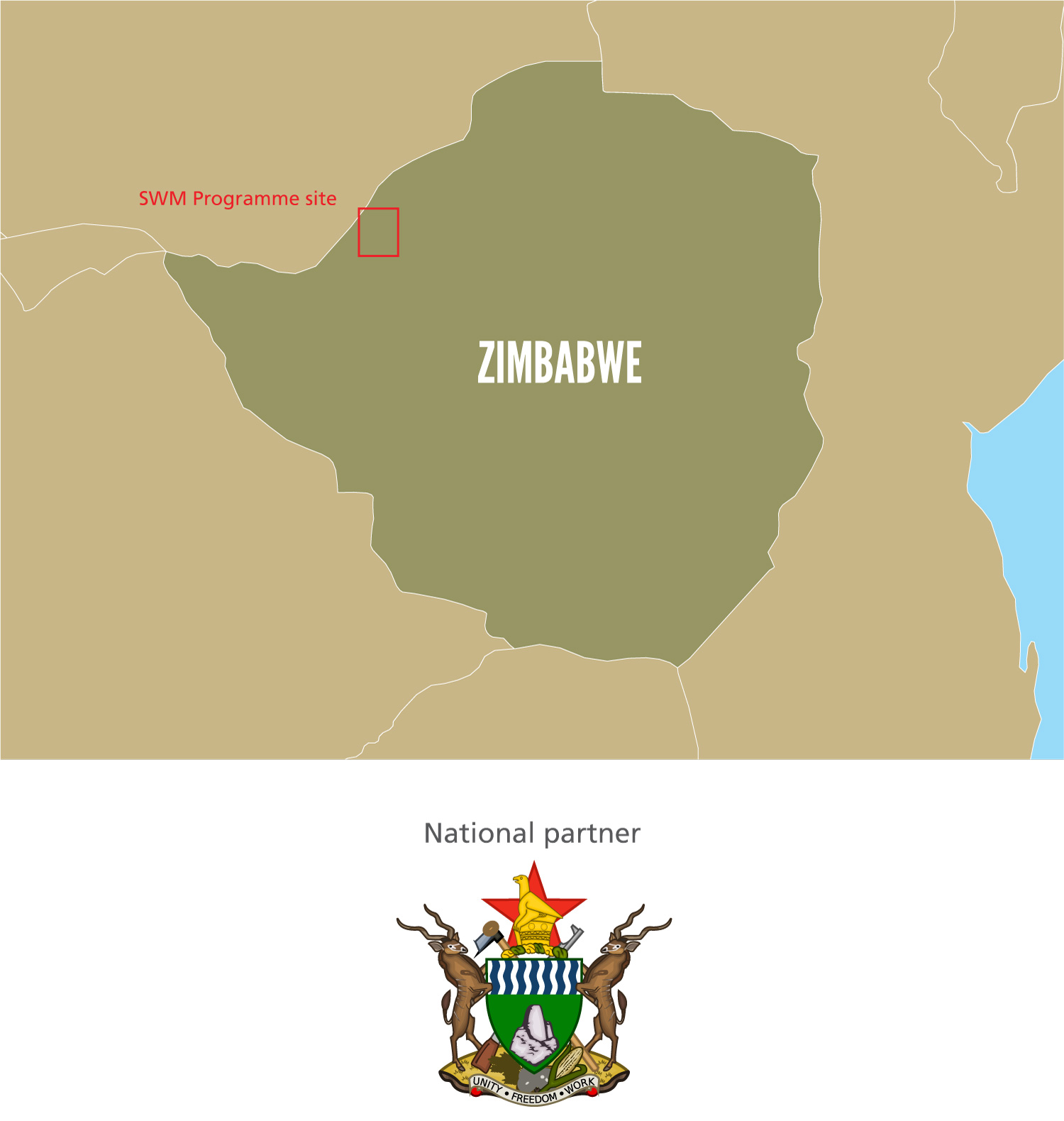
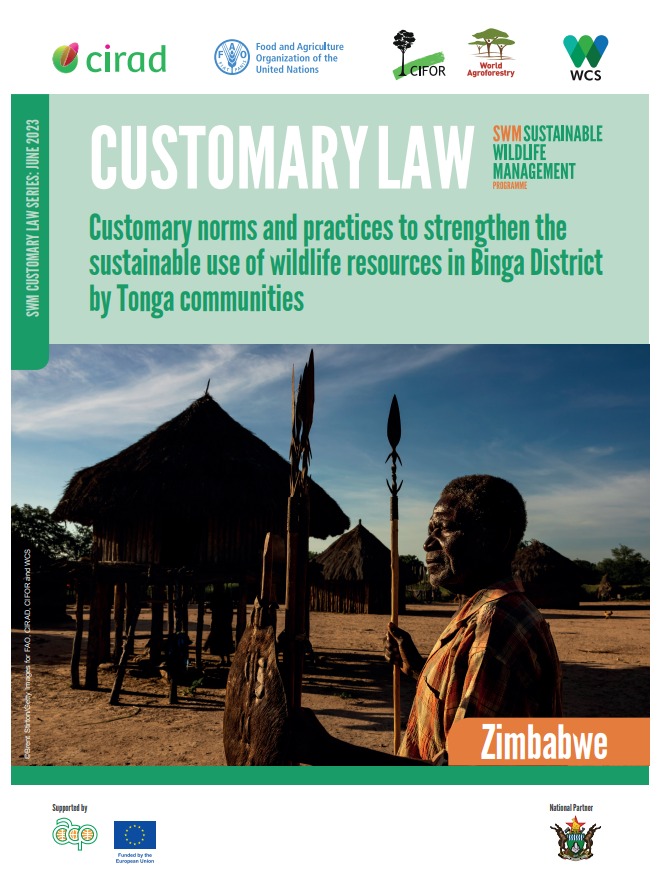
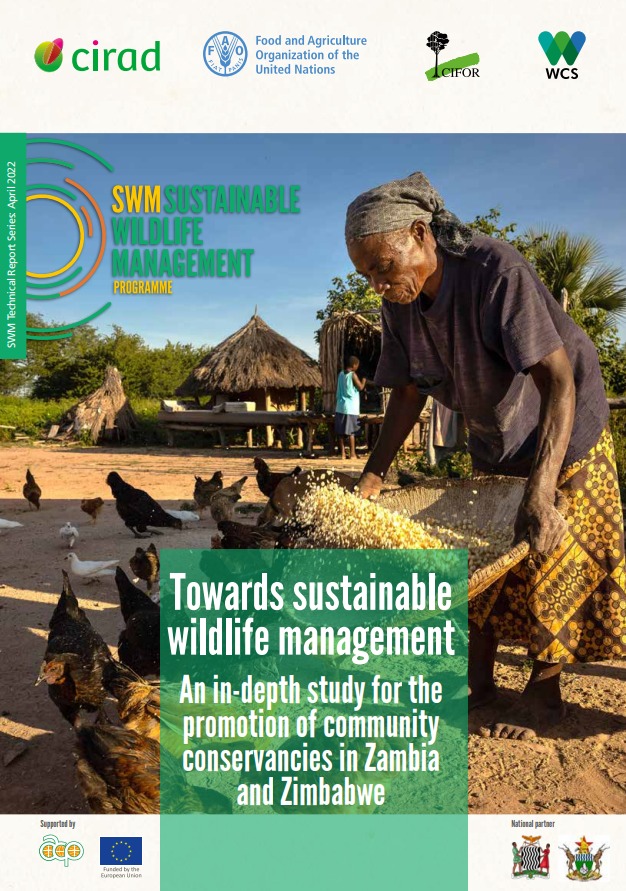
Wildlife populations in Zimbabwe are declining due to consecutive droughts, habitat loss, illegal hunting for wild meat and trade in wildlife products. In addition, human–wildlife conflict poses many challenges for rural communities. To address these issues, the Sustainable Wildlife Management (SWM) Programme is helping establish community conservancies to improve land-use planning and wildlife management by local communities. In Binga District, Matabeleland North Province, the SWM Programme is working with traditional chiefs, local communities and government authorities to create the Mucheni Community Conservancy. The goal is to reduce conflicts and promote co-existence between local communities and wildlife by introducing affordable and appropriate technologies to protect livestock and crops and support water and livestock management practices that diversify livelihoods and income sources.
Who we work with
The SWM Programme works with 16 000 people in the three chiefdoms of Sinampande, Sinakoma and Sinansengwe. Field activities are coordinated by the French Agricultural Research Centre for International Development (CIRAD) in collaboration with the national government.

Community rights and governance
The SWM Programme’s legal analysis contributed to the review of the Parks and Wildlife Amendment Bill that has been passed as a new Act and will support the review of the Community-based Natural Resource Management Policy and alignment of the Forest Act and the Communal Land Forest Produce Act to the new Forest Policy. A key focus has been on providing for community conservancies, which devolve management of wildlife to communities. The SWM Programme Legal Hub is used in government veterinary training courses. Additionally, more than 200 people have been trained in conservancy-related legal matters.

Adaptive wildlife management
Wildlife management activities in the Mucheni Community Conservancy include:
- Resource monitoring: A robust monitoring system was established with 18 natural resource monitors who have completed hundreds of anti-poaching patrols.
- Wildlife translocations: Impalas, kudus, and zebras have been translocated to the conservancy, boosting wildlife numbers.
- Human-wildlife conflict mitigation: Farmer Field Schools are raising awareness and equipping communities with practical tools to reduce human-wildlife conflict.

Healthy and sustainable supply chains and consumption
A major focus has been on enhancing livestock production to improve food security, increase household incomes and reduce wildlife poaching. A successful goat breeding programme, which introduced Boer and Kalahari Red bucks to the intervention area, has benefitted 3 800 households. Creating direct market linkages has been a game-changer. The SWM Programme successfully connected Binga farmers with the Marondera University of Agricultural Sciences and Technology, resulting in a landmark purchase of more than 700 buckets of tamarind, a transaction worth more than USD 7 000, directly channelling funds to the community. Other activities include finding new markets to sell livestock, rehabilitating dip tanks and races to improve livestock health and increasing honey production.

Zoonotic risk prevention and management
A community surveillance system is being set up to monitor zoonotic risks that could impact local communities, wildlife and domestic animals. This aligns with a broader effort to integrate a One Health community-based system of surveillance into the national animal and zoonotic disease surveillance system, coordinated by the Department of Veterinary Services and its partners.
Publications

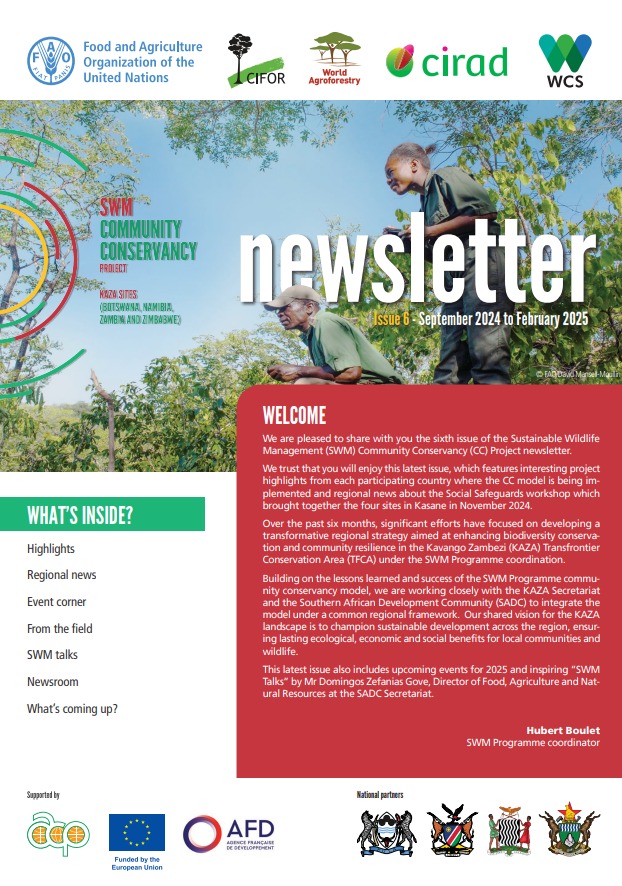
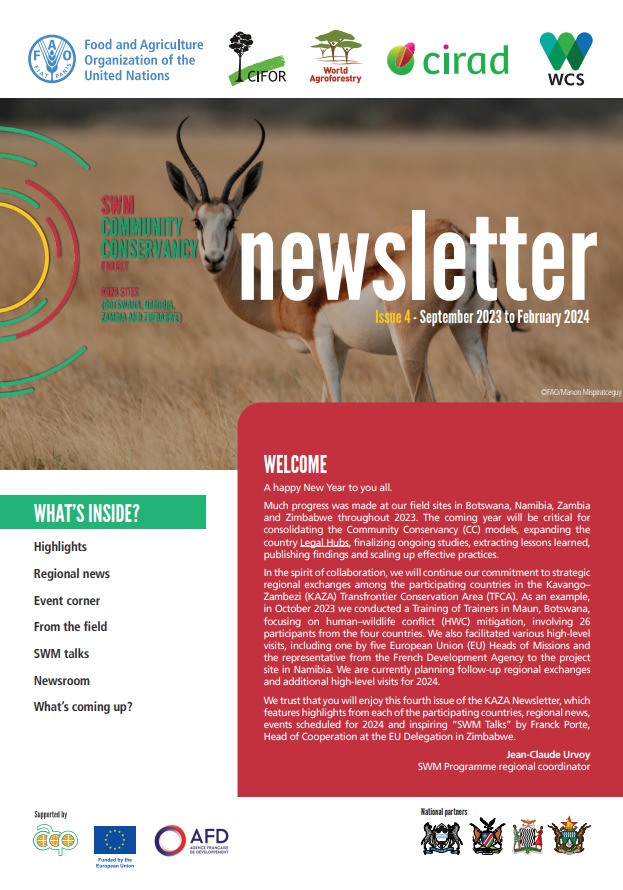
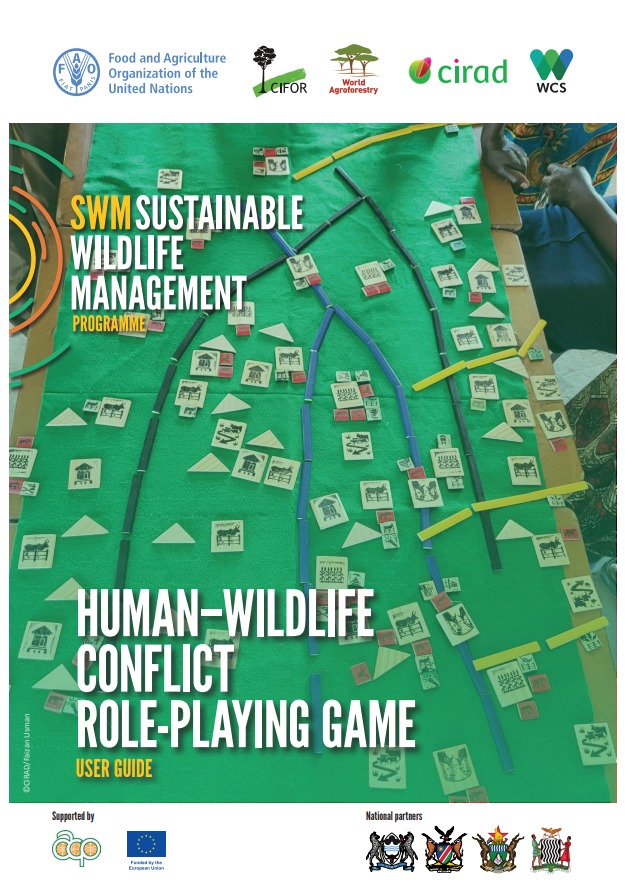
Supported by


Consortium partners


©2025 FAO, CIRAD, CIFOR-ICRAF and WCS. The views expressed herein can in no way be taken to reflect the official opinion of the European Union. The information on this portal is provided for the convenience of users. Hence, FAO, CIRAD, CIFOR and WCS are not responsible for its accuracy, nor for any use of such information by users. See full disclaimer.