


News

Seeking inputs on the establishment of a Global Pollinator Platform
24/04/2026
FAO invites stakeholders to share inputs for a Global Pollinator Platform through a short survey. Contributions will help shape priorities, tools and coordination mechanisms to strengthen pollinator conservation and sustainable use globally.

Put your World Bee 2026 Day initiative on the global map
24/04/2026
FAO invites organizers worldwide to submit their World Bee Day events to its global map, increasing visibility and connecting communities working to support pollinators, biodiversity and sustainable agrifood systems.

First Bees East Africa Symposium (BEEASY) 2025 in Arusha
13/11/2025
The inaugural Bees East Africa Symposium will take place in Arusha, Tanzania on 11-12 December 2025. Organized by Sustainable Agricultural and Agribusiness Development Initiatives Tanzania (SAADIT) in collaboration with regional partners, the event will gather f...

Supporting pollinators through the International Pollinators Initiative
21/10/2025
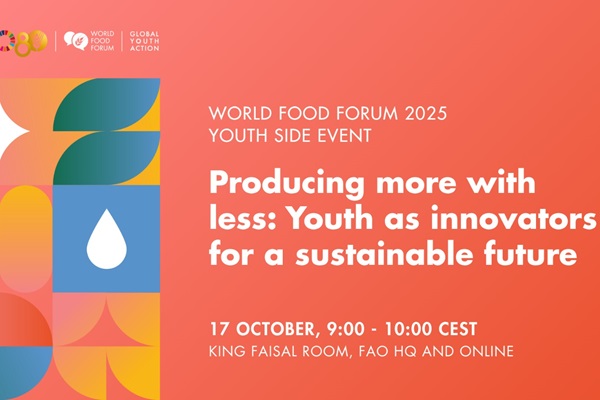
Producing more with less: Youth as innovators for a sustainable future
16/10/2025
This interactive session will highlight youth-driven innovations that help build sustainable and resilient agrifood system...

Listening to bees, working for the planet: interview with two beekeepers in Casamance
22/05/2025

Africa: What the Bees Are Telling Africa #WorldBeeDay
20/05/2025

Opinion Piece: What the bees are telling us
20/05/2025

Five reasons pollinators matter for One Health
16/05/2025
Pollinators, such as bees, birds, butterflies, and bats, play a vital role in the health of plants, animals, people and the environment. This World Bee Day, here are five reasons pollinators are vital contributors to One Health.

Celebrating World Bee Day 2025 Around the Globe
07/05/2025
As the world comes together to celebrate World Bee Day 2025 on May 20, a wide array of initiatives and events are taking place across continents, reflecting the growing awareness of the essential role that bees and other pollinators play in our agri-food systems and livelihoods.

4,000 reasons to love bees
05/05/2025

Capture the buzz: enter the World Bee Day 2025 photo contest
14/03/2025

FAO unveils the theme for World Bee Day 2025
06/03/2025

Latin America advances in the protection of pollinators
21/02/2025
Pollination is essential to ensure food production and maintain terrestrial biodiversity. Over 75% of the world's major crops depend on it. However, pollinator insect populations are showing a significant decline due to habitat loss, indiscriminate pesticide use, invas...

Call for case studies: Digital Tools for Genetic Diversity of Pollinators
19/02/2025

Discover the wonders of pollinators
12/06/2024

World Bee Day 2024: showing children how bees and pollinators make our world a better place
22/05/2024
The theme of the sixth edition of World Bee Day was “Bee engaged with youth” and so the FAO Liaison Office in Brussels, together with colleagues from the European Commission’s DG ENV, organized a special event at the British School of Brussels for the 50 children of the BeesEco Club.

“Bee Engaged with Youth” to Safeguard Bees and Other Pollinators
20/05/2024
Pollination is a fundamental process that is necessary for the survival of our ecosystems. It plays a crucial role in food security and agrobiodiversity. Pollinators support vital ecosystem functions for nature, agriculture and human well-being, acting as the invisible cornerstone of functioni...

Beekeeping Project Sparks Joy Across Tanzania
03/03/2024
During a handover event in Tanzania, from the Capacity Building Related to Multilateral Environmental Agreements in African, Caribbean and Pacific Countries - Phase III (ACP MEAs 3) programme, the Food and Agriculture Organization of the United Nations (FAO) delivered modern equipment to 300 small-scale beekeepers across six districts.
