


Rome Water Dialogue –Innovations in Agriculture, Forestry, and Fisheries for Integrated Water Resources Management
Deep Dive
Building on previous editions, the High-Level Rome Water Dialogue will celebrate solutions put forward by FAO Members on Integrated Water Resources Management for food security. It will encourage commitments from relevant stakeholders in both water and agriculture sectors to support Integrated Water Resources Management and enhance cross-sectorial collaboration on water for food security.
The Rome Water Dialogue 2025 will showcase and celebrate FAO members’ water resources management solutions developed and implemented over the past 80 years, contributing to the FAO’s celebration of its 80th Anniversary.
Speakers
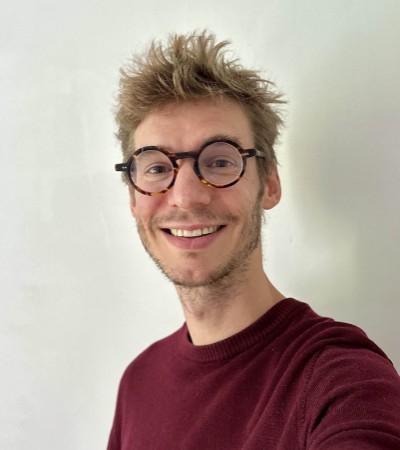
Expert on Remote Sensing for Water Productivity Monitoring, Land and Water Division, FAO.
Bert Coerver is a consultant at FAO's Land and Water Division, specializing in remote sensing of water productivity through actual evapotranspiration and biomass production. With ten years of experience in the fields of hydrology and remote sensing, he has developed strong skills in programming, geoinformation systems and data analysis. Bert is passionate about making an impact by improving water resources management and has contributed to the WaPOR project through the development of multiple Python packages, applications, case studies and courses. Outside of work, he enjoys running and cycling very long distances and spending time with his two kids.

International Water Management Institute
Dr. Moctar Dembélé is a researcher in geospatial hydrology at the International Water Management Institute (IWMI). He has more than 10 years of professional experience, passionately working on water-related development challenges, with various organizations in Africa and Europe. His fields of expertise include EO-driven hydrological modelling, water accounting and productivity, water risks, and climate change. He is proficient in advanced data analysis and large-scale modelling with a focus on data-scarce environments. At IWMI, Moctar is the Co-PI of the FAO’s WaPOR project and works on the DIWASA and G4DR projects, among others.
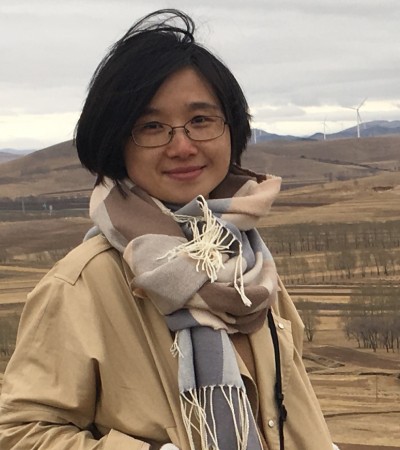
Dr. Lijun Zuo is professor of International Research Center of Big Data for Sustainable Development Goals, and Aerospace Information Research Institute, Chinese Academy of Sciences (CAS). Her research focuses on remote sensing of land use change, and its impact on food security and ecosystems. She has hosted more than 10 major national science and technology projects, and has published more than 100 papers in journals including Nature Sustainability, Remote Sensing of Environment, etc.
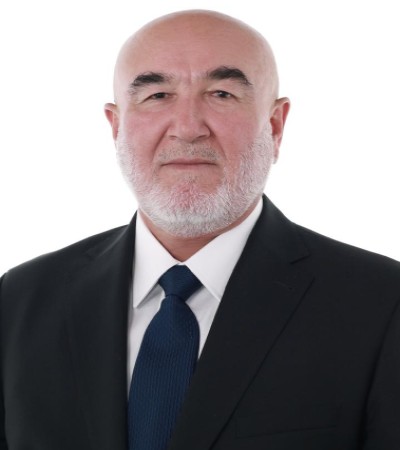
He began his professional career in 1975 at the “Kommunizm” collective farm in the Kolkhozabad District, where he worked until 1980. During this period, he acquired his first practical work experience and established himself as a responsible and proactive employee.
From 1980 to 1982, he served in the Soviet Army, where he developed discipline, a strong sense of duty, and organizational skills — qualities that laid a solid foundation for his future professional growth.
After completing his military service, he resumed work at the “Kommunizm” collective farm in the Kolkhozabad District, advancing from a general worker to the position of fire safety shift Supervisor, and later becoming Head of the supply and sales department. In these roles, he actively developed his management skills, contributed to the organization of the farm’s operations, and ensured the effective functioning of its various departments.
In 1993, Mr. Saifov established LLC “Bakhor” to generate employment opportunities for residents. His commitment and hard work led to the company's success and a positive impact on the community.
In 2007, he assumed the position of Director of Oil Depot No. 3 at Gazpromneft in Sarband, where he made significant contributions to the energy sector in Tajikistan, tackling new challenges and responsibilities.
From 2010 to 2015, and subsequently until 2020, Saifov was elected for two consecutive terms as a deputy of the Khatlon Regional Council of People's Deputies. During his tenure, he actively addressed key social and economic issues in the region, placing particular focus on the development of the education system, improvement of infrastructure, and stimulation of economic growth. His efforts were aimed at ensuring sustainable regional development and improving the quality of life for the population.