


Highlights
Director-General

News
World Food Prize 2026 highlights importance of the right to food safety
In Des Moines, FAO Director-General underscores FAO’s technical support for capacity building in developing countries for the implementation of food safety standards

Story
Nothing wasted, everything gained
Composting for healthier soil, safer produce and less waste in Georgia.

FAO honours 100 Women Heroes driving change across agrifood systems
Global recognition celebrates women whose work is strengthening communities, advancing innovation and opening opportunities for future generations

Interactive story
Women in agrifood systems around the world
See how the International Year of the Woman Farmer 2026 celebrates the women who keep our agrifood systems running.

In Focus
El Niño
Discover how El Niño affects weather patterns, food security and rural livelihoods, and why anticipatory action is critical to reducing its impacts.

In Focus
FAO response to global food security challenges
Data analyses, policy recommendations, and actions on the ground.

In Focus
FAO 100 Women Heroes in Agrifood Systems and Rural Development
Discover this global recognition initiative marking the International Year of the Woman Farmer.

Publication
New FAO analysis shows how central agrifood systems are in countries' biodiversity strategies
Discover which agrifood sectors and actions are most frequently included in national strategies to achieve global biodiversity targets ahead of 2030.

Interactive story
A hands-on look at food and agriculture
Using digital storytelling and data visualization our Interactives offer fascinating insights into the world of food and agriculture.
Director-General
FAO honours 100 Women Heroes driving change across agrifood systems
Global recognition celebrates women whose work is strengthening communities, advancing innovation and opening opportunities for future generations
Join the conversation


Voices of Impact
Fighting Drought and El Niño in the Dry Corridor with Soil Science
26/10/2026
As El Niño intensifies drought across Central America's Dry Corridor, farmers in Guatemala and Honduras are facing growing challenges to produce staple foods like maize and beans. Watch the video and discover how farmers, researchers, and government partners are working together to turn soil intelligence into solutions for food producers facing extreme weather events.
Video
Honouring rangelands and the communities that depend on them
09/02/2026
Pastoralists are stewards of Indigenous and local knowledge, and care for rangelands that span half the planet.
Podcast
The Work We Do Ep.9 - Agriculture, Climate and Biodiversity | Kaveh Zahedi
12/10/2026
In this podcast, Kaveh Zahedi, Assistant Director-General and Director of the Office of Climate Change, Biodiversity and Environment at FAO, discusses the central role of agriculture as part of the solution to climate change and biodiversity loss, and the challenges that El Niño and extreme heat pose to farmers and agrifood systems around the world.
2020 World
31.2%
2010 World
31.5%
Sources: FAO, IFAD, UNICEF, WFP and WHO . 2026. The State of Food Security and Nutrition in the World 2026 - Addressing high food price inflation for food security and nutrition. Rome.
https://doi.org/10.4060/cd8306en;
FAO. 2026. FAOSTAT: Suite of Food Security Indicators. [Accessed on 21 July 2026].
https://www.fao.org/faostat/en/#data/FS;
UN Geospatial. 2020.Map geodata. New York, USA, UN.
Licence: CC BY 4.0 -
Database terms of use -
FS metadata (XLSX).
In depth

In Focus
Discover the enhanced FAO Transparency Portal
Explore new dashboards on programme, budget and HR, alongside updated project data, for deeper insights into how we work.

Publication
Medium Term Plan and Programme of Work
The Director-General’s Medium Term Plan 2026-29 and Programme of Work and Budget 2026-27.

In Focus
FAO Data Lab
The FAO Data Lab for Statistical Innovation modernizes the statistical business process, with a specific focus on emergency contexts, when having access to timely information is very important.
Discover the Globally Important Agricultural Heritage Systems (GIAHS)

FAO and the SDGs
Hover the mouse over an SDG icon for more information
A world free from hunger and malnutrition where food and agriculture contributes to improving the living standards of all
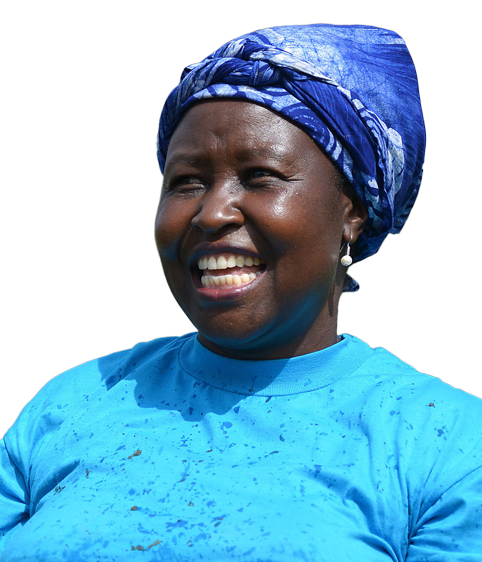
FAO works with governments and partners to empower some of the world’s most marginalized people to end rural poverty.
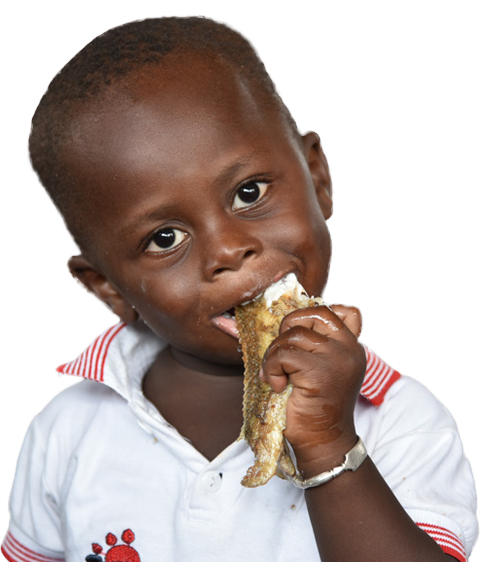
FAO helps ensure food security by developing ways of growing food that will work in the future so that millions of people don’t go hungry.
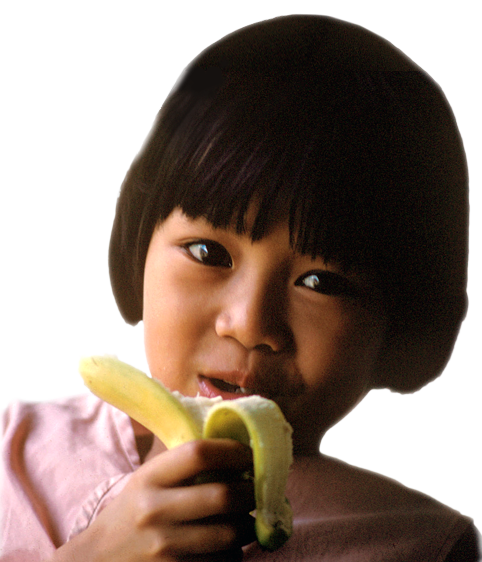
Good health starts with nutrition. FAO sets global standards and works with governments and the private sector to ensure food quality and safety throughout the food chain.
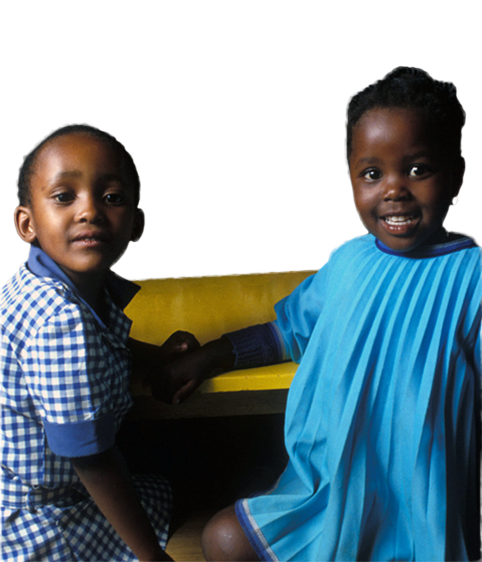
FAO invests in educational systems for rural communities and supports improved access to primary education and school meals in order to create equal opportunities for all and chances of lifelong learning.
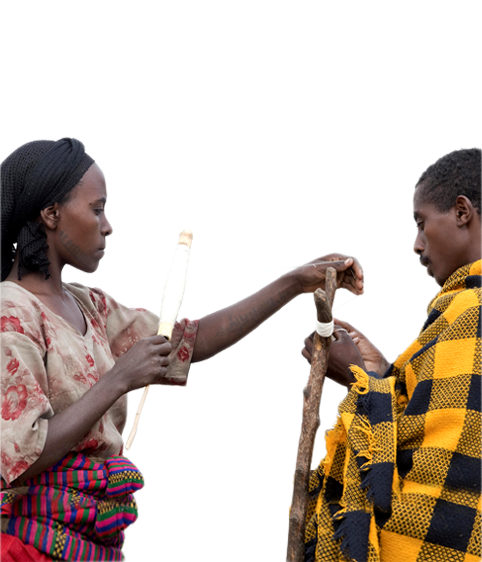
FAO supports gender equality in the agricultural sector in an effort to raise levels of nutrition in local communities and improve agricultural productivity.
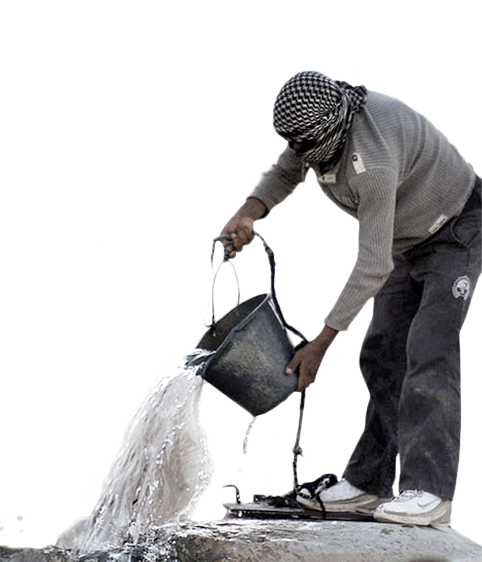
FAO works with governments to ensure water use in agriculture is made more efficient, equitable and environmentally friendly.
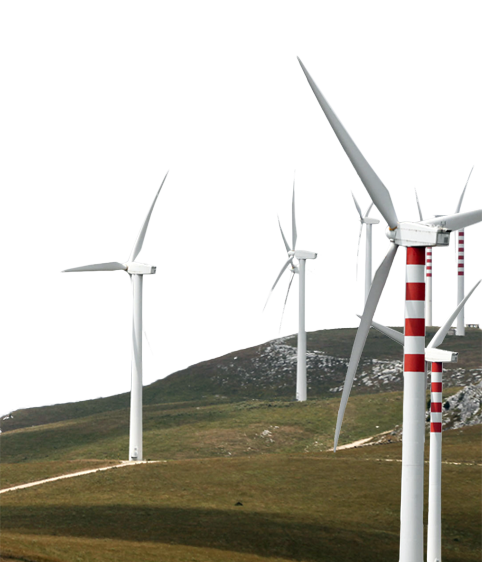
FAO promotes the use of renewable energies and works to ensure access to modern energy services across the food chain.
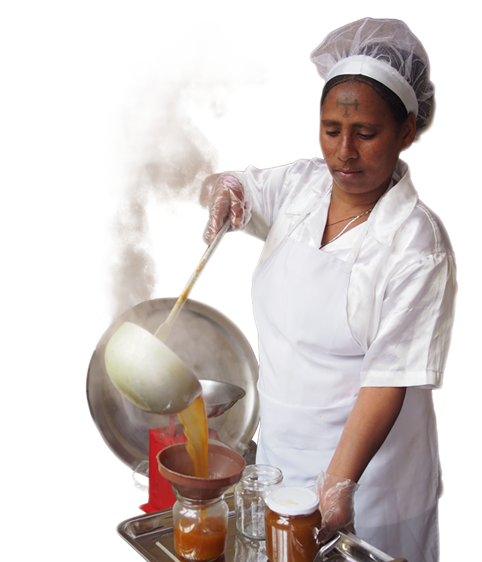
FAO seeks better economic opportunities for all by investing in sustainable agricultural practices and food systems that reduce inequalities and create decent jobs.
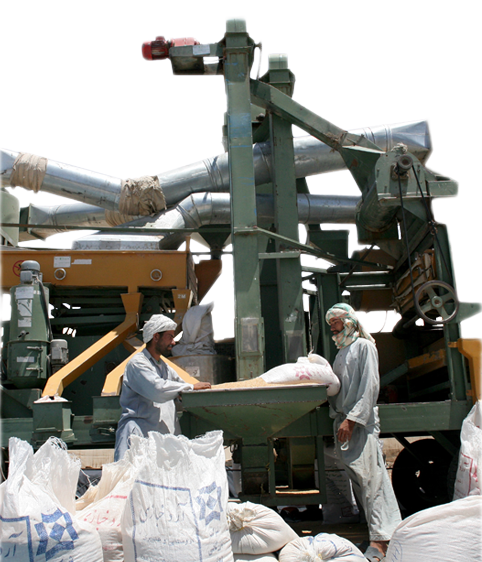
FAO seeks to secure a future for rural communities via investments in transportation, irrigation, food storage facilities and communication technologies.
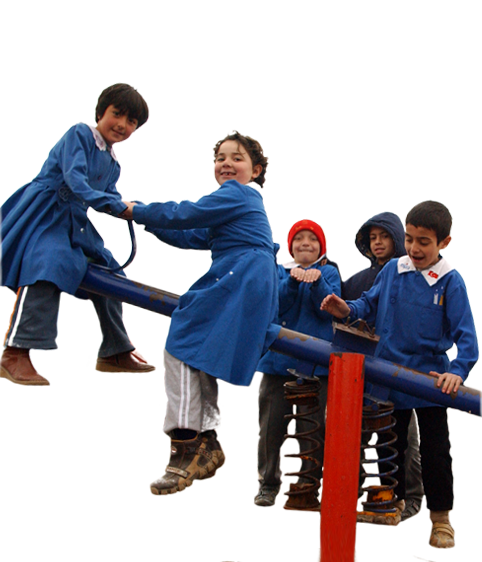
FAO works with countries and partners to generate employment in rural areas, ensure access to natural resources for the most vulnerable and connect farmers to markets.
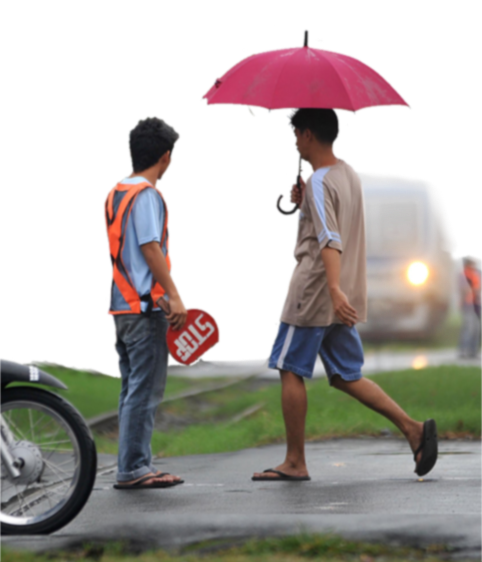
FAO works to improve urban healthcare, water quality and rethink city region food systems to help deter the negative effects of sprawling urbanisation.
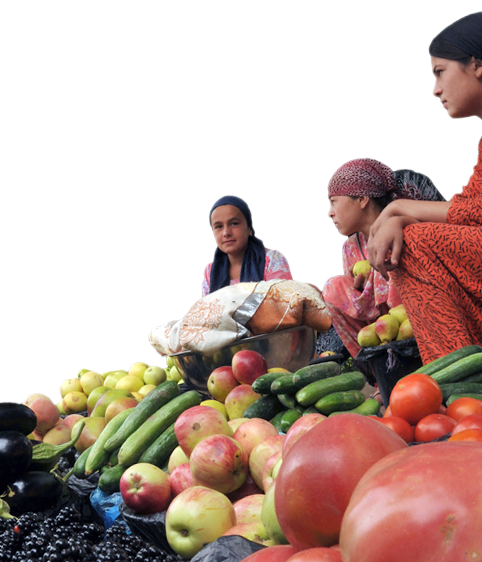
FAO coordinates major global initiatives and projects to tackle food waste and loss, partnering with international organisations, the private sector and civil society.
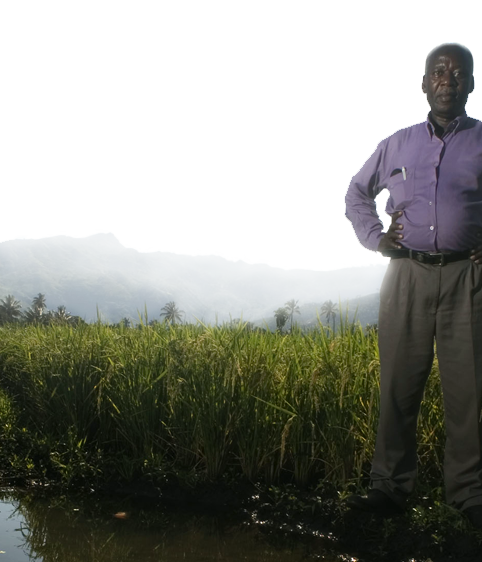
FAO supports countries in responding to the threats of climate change by providing advice, data and tools for better agricultural policies and practices.
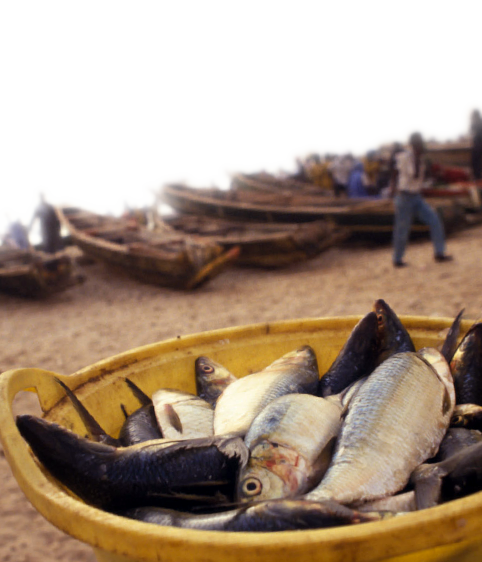
FAO, in partnership with governments and fishing communities, implements best practices in fisheries to ensure our oceans are protected as a means of livelihoods.
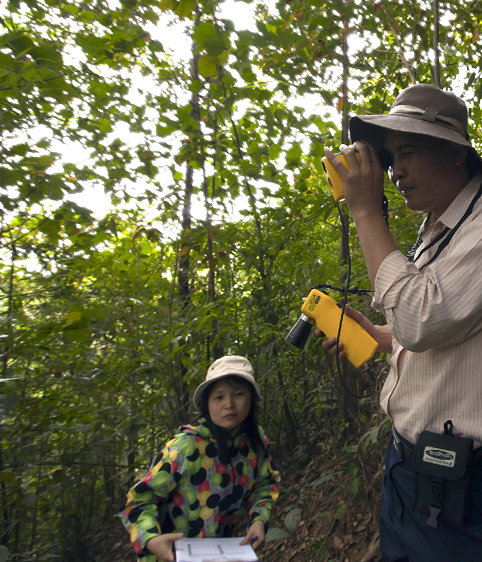
FAO promotes sustainable approaches to natural resource management and supports endeavours that promote a balance between conservation and development initiatives.
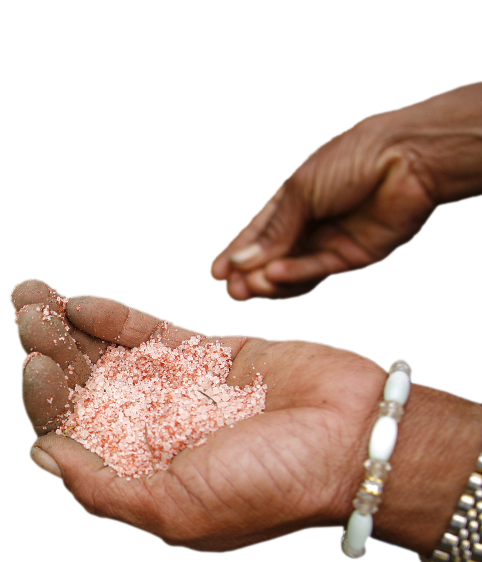
FAO plays a critical role in peacebuilding, restoring rural livelihoods, building resilience and participatory approaches to policymaking.
FAO acts as a neutral policymaking forum and develops partnerships with all concerned with food and agriculture to ensure a world free from hunger.


FAO works with governments and partners to empower some of the world’s most marginalized people to end rural poverty.
FAO helps ensure food security by developing ways of growing food that will work in the future so that millions of people don’t go hungry.
Good health starts with nutrition. FAO sets global standards and works with governments and the private sector to ensure food quality and safety throughout the food chain.
FAO invests in educational systems for rural communities and supports improved access to primary education and school meals in order to create equal opportunities for all and chances of lifelong learning.
FAO supports gender equality in the agricultural sector in an effort to raise levels of nutrition in local communities and improve agricultural productivity.
FAO works with governments to ensure water use in agriculture is made more efficient, equitable and environmentally friendly.
FAO promotes the use of renewable energies and works to ensure access to modern energy services across the food chain.
FAO seeks better economic opportunities for all by investing in sustainable agricultural practices and food systems that reduce inequalities and create decent jobs.
FAO seeks to secure a future for rural communities via investments in transportation, irrigation, food storage facilities and communication technologies.
FAO works with countries and partners to generate employment in rural areas, ensure access to natural resources for the most vulnerable and connect farmers to markets.
FAO works to improve urban healthcare, water quality and rethink city region food systems to help deter the negative effects of sprawling urbanisation.
FAO coordinates major global initiatives and projects to tackle food waste and loss, partnering with international organisations, the private sector and civil society.
FAO supports countries in responding to the threats of climate change by providing advice, data and tools for better agricultural policies and practices.
FAO, in partnership with governments and fishing communities, implements best practices in fisheries to ensure our oceans are protected as a means of livelihoods.
FAO promotes sustainable approaches to natural resource management and supports endeavours that promote a balance between conservation and development initiatives.
FAO plays a critical role in peacebuilding, restoring rural livelihoods, building resilience and participatory approaches to policymaking.
FAO acts as a neutral policymaking forum and develops partnerships with all concerned with food and agriculture to ensure a world free from hunger.