


FAO Regional Office for Africa
The Food and Agriculture Organization (FAO) is a specialized agency of the United Nations that leads international efforts to defeat hunger.
In Africa, our goal is to achieve food security for all and make sure that people have regular access to enough high-quality food to lead active, healthy lives. With 47 sub-Saharan African countries, the Regional Office for Africa believes that everyone can play a part in ending hunger.
Highlights

Africa Regional Overview of Food Security and Nutrition 2025
The Africa Regional Overview of Food Security and Nutrition 2025 assesses hunger, food insecurity and all forms of malnutrition across the African continent, with a special focus on financing agrifood systems transformation.
-(1).png?sfvrsn=64eb077f_1)
34th Session of the FAO Regional Conference for Africa (ARC34)
The FAO Regional Conference for Africa (ARC) is a biennial gathering of Ministers and key partners to drive collaboration and solutions for sustainable agriculture and food security across Africa.

Digital Villages Initiative in Africa
The DVI focuses on accelerating rural transformation by leveraging innovative digital tools. Learn more.

OCOP in Africa
OCOP is the One Country One Priority Product initiative to develop green value chains. Discover which countries and products are involved.
Recent and upcoming events
27/10
2026
29/10
2026
Africa Forum on Harnessing Science and Innovation for Agrifood Systems Transformation
Addis Ababa (Ethiopia), 27/10/2026 - 29/10/2026
Join policymakers, researchers, innovators, investors and development partners at the Africa Forum on Harnessing Science and Innovation for Agrifood Systems Transformation, taking place from 27–29 October 2026 in Addis Ababa, Ethiopia. The Forum will explore how science, technology and innovation can drive more productive, resilient, sustainable and inclusive agrifood systems across Africa, whi...
9/7
2026
Leveraging Digital Solutions for Strengthening the Seed Systems in Africa
09/07/2026
Join experts, policymakers and innovators to explore how digital seed traceability, certification and information systems are strengthening food security, resilience and agricultural development across the continent. Discover lessons, innovations and opportunities shaping the future of seed systems in Africa.
Action Areas

Youth in Agriculture
Young people in Africa are central to FAO’s work for agrifood systems transformation. Learn more about our current projects.

African Forestry and Wildlife Commission
The African Forestry and Wildlife Commission (AFWC) is one of the six regional forestry commissions of the Food and Agriculture Organization (FAO). The others cover the regions of Asia-Pacific, Europe, Latin America and the Caribbean, Near East, and North America.
Digital Villages Initiative in Africa
The DVI focuses on accelerating rural transformation by leveraging innovative digital tools. Learn more.

Empowering women
Francesca Brenda Opoku is an agribusiness and entrepreneur who has over the years benefited from FAO’s support.

Great Green Wall
Explore this interactive story of Africa’s Great Green Wall.

Regional Technical Platform
Transformation of the agriculture sector in Africa is at the heart of driving progress towards ending poverty, hunger and malnutrition. Learn more.

YenKasa Africa
A regional initiative by FAO, Farm Radio International, the Pan-African Farmers’ Organization and other partners, YenKasa aims to enhance knowledge and experience sharing on agriculture and rural development in sub-Saharan Africa.
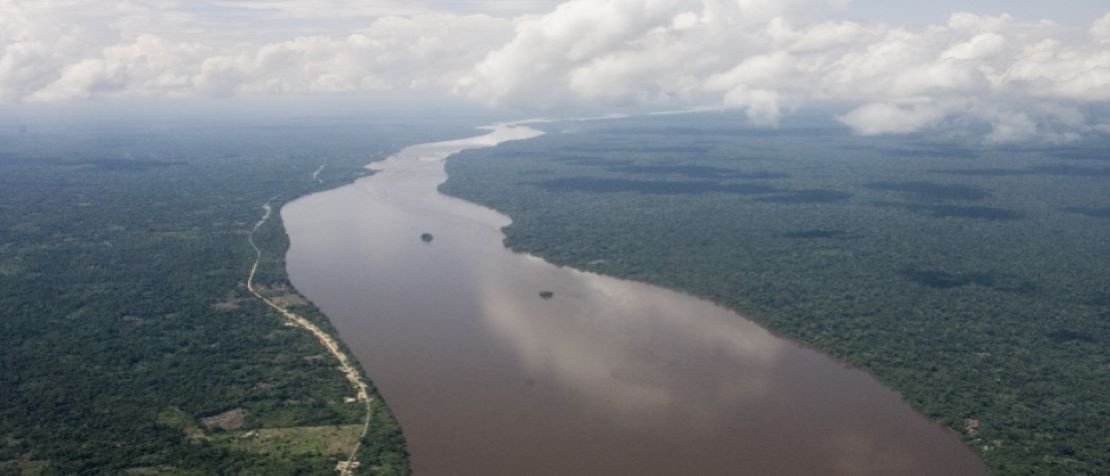
FAO and the Green Climate Fund (GCF)
Explore the directory of FAO-led Green Climate Fund (GCF) projects in Africa

Green Cities Initiative
Partnerships for vibrant and inclusive African cities with green and productive urban spaces.


Hand-In-Hand Initiative
Explore the list of HiH countries in Africa.
Stories of Impact


In Depth


IN FOCUS
Family Farming Knowledge Platform

IN FOCUS
FAO emergencies and resilience


STATISTICS
FAOSTAT - Food and agriculture data
34th Session of the FAO Regional Conference for Africa (ARC34)
The FAO Regional Conference for Africa (ARC) is a biennial gathering of Ministers and key partners to drive collaboration and solutions for sustainable agriculture and food security across Africa.
Voices of Impact
Recent Publications

Africa Regional Overview of Food Security and Nutrition 2025 Financing towards agrifood systems transformation for food security and improved nutrition
30/04/2026
The Africa Regional Overview of Food Security and Nutrition 2025 assesses hunger, food insecurity and all forms of malnutrition across the African continent, with a special focus on financing agrifood systems transformation. Drawing on the latest available data, the report shows that Africa remains off track to achieve Sustainable Development Goal 2, with hunger and food insecurity continuing to rise and progress on key nutrition targets remaining slow.

Learning from evaluations of FAO's work in Africa 2022–2025
27/04/2026
This synthesis draws on 58 evaluations conducted by the FAO Office of Evaluation in Africa between 2022 and 2025, complemented by a portfolio analysis of 1 201 FAO projects launched in the Africa region in the last four years, to inform strategic learning and future programming.

The status of women in agrifood systems in sub-Saharan Africa
16/04/2026
The status of women in agrifood systems in sub-Saharan Africa provides the latest data, policy highlights and recommendations for policy- and decision-makers about gender in agrifood systems in sub-Saharan Africa. The report reviews and analyses women’s opportunities and constraints in economic and social processes in sub-Saharan Africa, while taking stock and assessing progress made in closing a series of gender gaps.

Strengthening partnerships for improved nutrition and food systems- An overview of key stakeholders in the African region
14/07/2025
Discover how strategic partnerships are reshaping Africa’s fight against malnutrition. This new FAO publication highlights key actors, priority areas, and innovative approaches driving nutrition-focused collaboration across the continent, offering a roadmap toward achieving Zero Hunger and stronger, more resilient food systems.
Useful links
Contact
Regional Office for Africa
#2 Gamel Abdul Nasser Road
Accra, Ghana
P.O. Box GP 1628 Accra, Ghana
Tel: +233 (0) 302 610930
Fax: +233 (0) 302 668427
E-mail: fao-ro-africa@fao.org
Beware of scams
FAO never charges registration fees for conferences or meetings.
FAO does not charge a fee at any stage of the recruitment process (application, interview, processing, certificates, training or any other fees).
The only legitimate FAO employment website is https://www.fao.org/employment/en
If a job is not listed on that page, it is not a legitimate FAO job posting.
We strongly advise you not to engage with any unauthorized offers.
You can report any suspicious e-mails or websites to abuse@fao.org
Unauthorized use of the FAO logo, emblem and name is illegal.
The FAO Framework for Environmental and Social Management establishes environmental and social performance requirements for FAO programming. Stakeholders can voice grievances about any alleged violations of the framework by emailing FAO-RAF@fao.org and