


Highlights
Director-General

News
Somalia’s humanitarian crisis worsening with 6.5 million people facing high levels of hunger, Federal Government and United Nations warn
From FAO Country Office in Somalia

Story
From savannah plant to global remedy
For World Wildlife Day, 3 March, see how the devil’s claw tuber improves health and wildlife conservation in Namibia.

FAO celebrates Chinese Lunar New Year, drawing inspiration for accelerated progress
The Rome ceremony also featured a video message from the UN Secretary-General

In Focus
A brighter future for people and wildlife
The Sustainable Wildlife Management Programme promotes conservation and responsible wildlife use across forests, savannahs, and wetlands. Discover how!

Event
COAG Sub-Committee on Livestock
Follow the third session of the Sub-Committee and learn how FAO and its Members are shaping a Global Plan of Action for Sustainable Livestock Transformation.

In Focus
FAO response to global food security challenges
Data analyses, policy recommendations, and actions on the ground.
_edited.jpg?sfvrsn=d2133b25_3)
Event
FAO Regional Conference for Latin America and the Caribbean
Follow the 39th Session as Member States meet to address priority challenges in food and agriculture and advance regional action to combat hunger and malnutrition.

Campaign
International Year of the Woman Farmer 2026
Discover how women farmers drive food security, nutrition and economic resilience and join the call to strengthen women’s empowerment across agrifood systems.

Publication
The Status of Land Tenure and Governance
Delve into new data and analyses and discover how land tenure is key to resilient and inclusive agrifood systems.
Director-General
FAO celebrates Chinese Lunar New Year, drawing inspiration for accelerated progress
The Rome ceremony also featured a video message from the UN Secretary-General
Join the conversation


Voices of Impact
The SWM Programme promotes sustainable Devil's claw harvesting in Namibia
27/02/2026
In Namibia’s dry landscapes, Devil’s Claw plays a big role. Recognized globally for its health benefits, this protected species provides vital income for remote communities. Watch the video and discover how the Sustainable Wildlife Management (SWM) Programme works with local partners to promote good harvesting methods and fair prices to ensure this plant remains a lasting source of livelihoods.
Video
Empowered women, transforming agrifood system
27/02/2026
Women play essential roles across agrifood systems, producing, processing and trading food that sustains families, communities and economies.
Podcast
Feeding and regreening: The micro-gardens of Dakar
23/11/2022
In Dakar, Senegal, the massive rural urban migration of these last decades led to losses of agricultural land, triggering food shortages and soaring food prices. Listen to how FAO and the local authorities are working together with women on a micro-gardening project to reduce food insecurity in the city.
Hunger map
Mapping undernourishment and food insecurity worldwide
The interactive FAO World Hunger Map 2025 presents the latest global estimates of hunger and food insecurity.
Explore current trends across Africa, Asia, Latin America and the Caribbean and other regions, track progress toward SDG 2 (Zero Hunger) and switch between the two SDG Target 2.1 indicators to get a clear view of today's food security landscape: SDG Indicator 2.1.1 on the prevalence of undernourishment (PoU) and SDG Indicator 2.1.2 on the prevalence of moderate or severe food insecurity based on the Food Insecurity Experience Scale (FIES).
Explore the latest global estimates in depth
Figures in the interactive map come from the 2025 edition of The State of Food Security and Nutrition in the World (SOFI). The report points to a decrease in world hunger, with 8.2% of the world population affected in 2024, down from 8.7% in 2022. Going beyond hunger, 28% of the global population faced moderate or severe food insecurity in 2024. Hunger and food insecurity improved in parts of Asia and in South America but deteriorated in Africa.
For more, read the full SOFI 2025 report.
2020 World
31.2%
2010 World
31.5%
In depth

In Focus
Discover the enhanced FAO Transparency Portal
Explore new dashboards on programme, budget and HR, alongside updated project data, for deeper insights into how we work.

Publication
Medium Term Plan and Programme of Work
The Director-General’s Medium Term Plan 2026-29 and Programme of Work and Budget 2026-27.

In Focus
FAO Data Lab
The FAO Data Lab for Statistical Innovation modernizes the statistical business process, with a specific focus on emergency contexts, when having access to timely information is very important.
FAO and the SDGs
Hover the mouse over an SDG icon for more information
A world free from hunger and malnutrition where food and agriculture contributes to improving the living standards of all
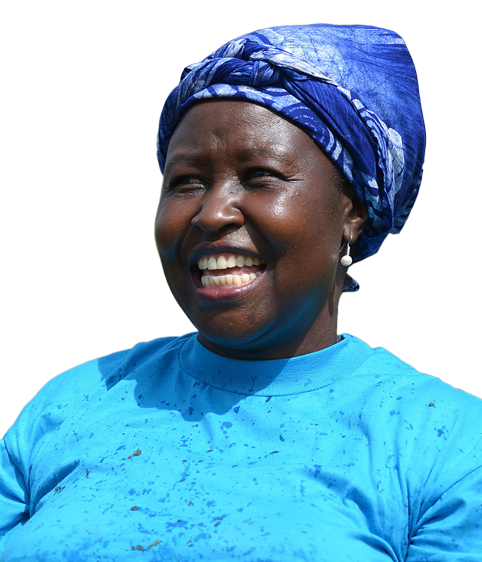
FAO works with governments and partners to empower some of the world’s most marginalized people to end rural poverty.
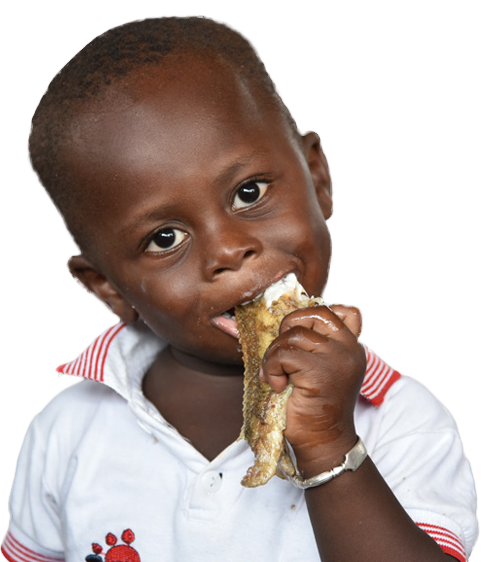
FAO helps ensure food security by developing ways of growing food that will work in the future so that millions of people don’t go hungry.
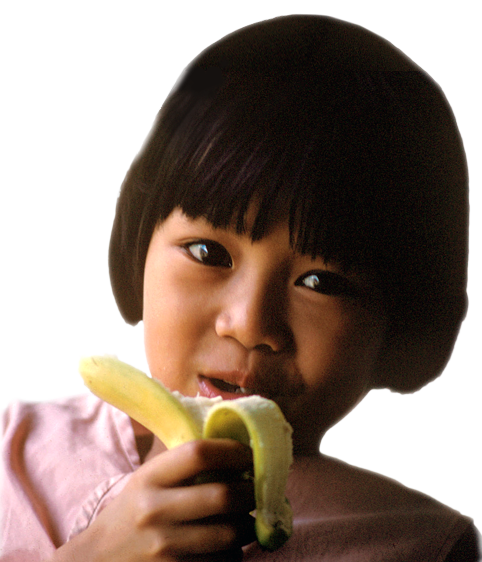
Good health starts with nutrition. FAO sets global standards and works with governments and the private sector to ensure food quality and safety throughout the food chain.
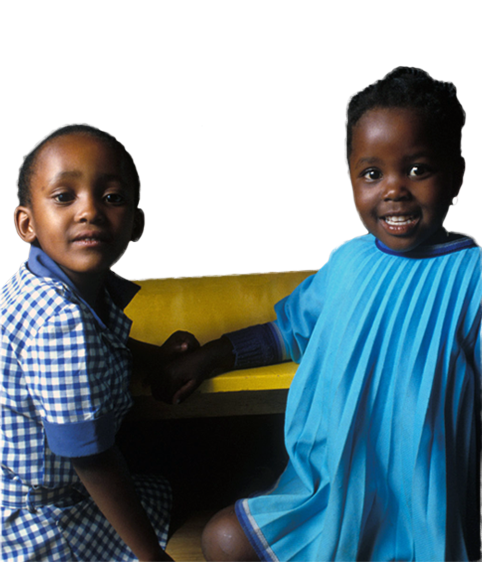
FAO invests in educational systems for rural communities and supports improved access to primary education and school meals in order to create equal opportunities for all and chances of lifelong learning.
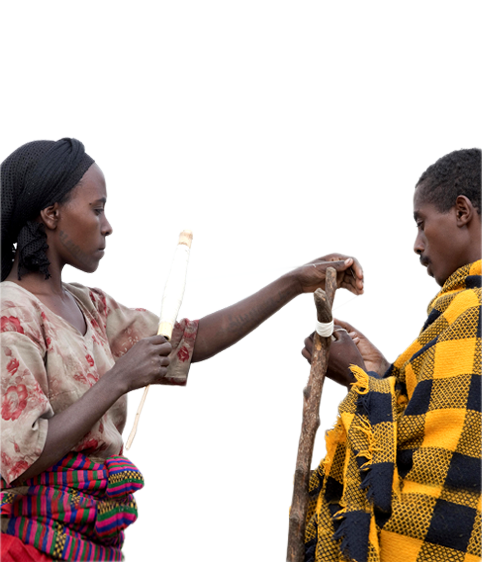
FAO supports gender equality in the agricultural sector in an effort to raise levels of nutrition in local communities and improve agricultural productivity.
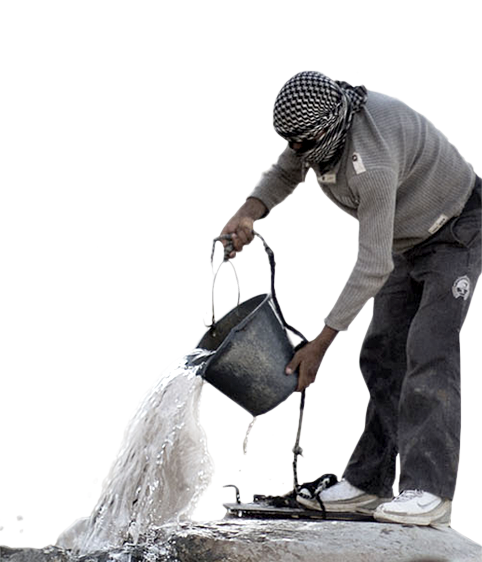
FAO works with governments to ensure water use in agriculture is made more efficient, equitable and environmentally friendly.
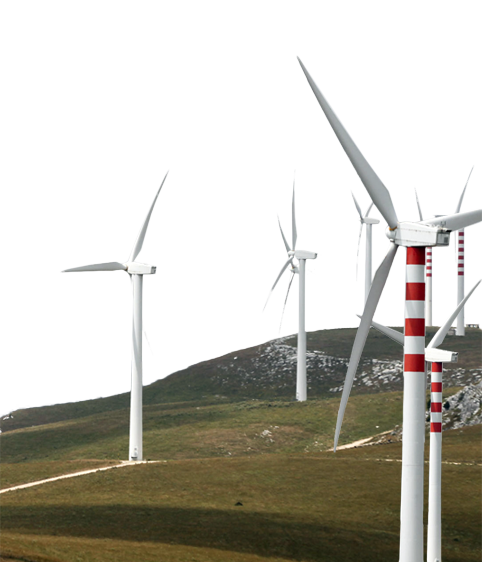
FAO promotes the use of renewable energies and works to ensure access to modern energy services across the food chain.
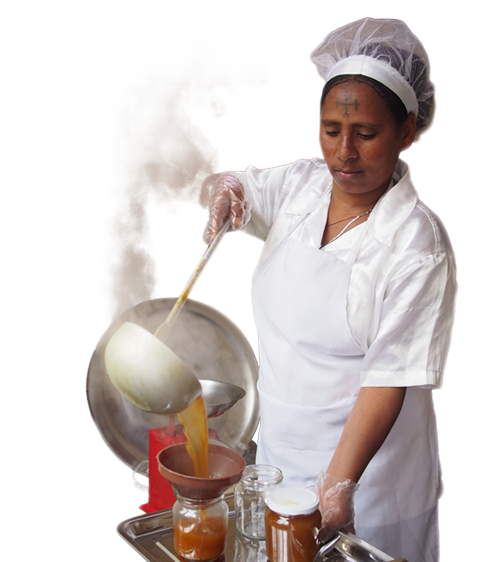
FAO seeks better economic opportunities for all by investing in sustainable agricultural practices and food systems that reduce inequalities and create decent jobs.
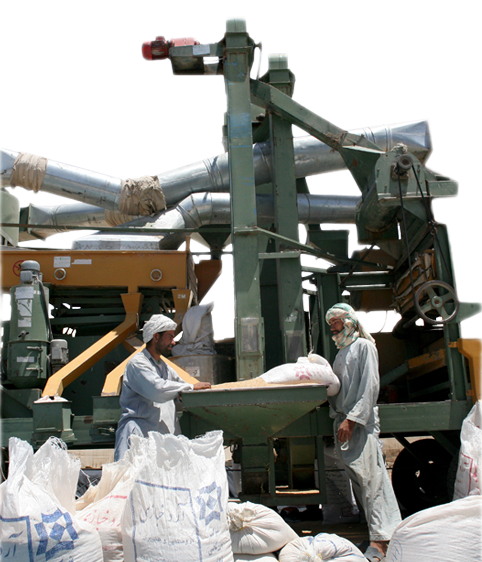
FAO seeks to secure a future for rural communities via investments in transportation, irrigation, food storage facilities and communication technologies.
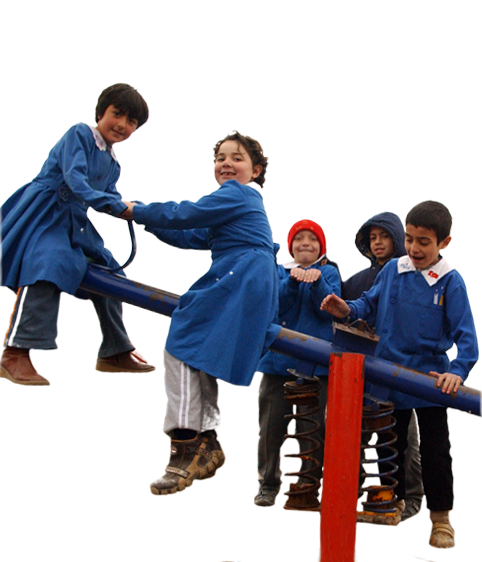
FAO works with countries and partners to generate employment in rural areas, ensure access to natural resources for the most vulnerable and connect farmers to markets.
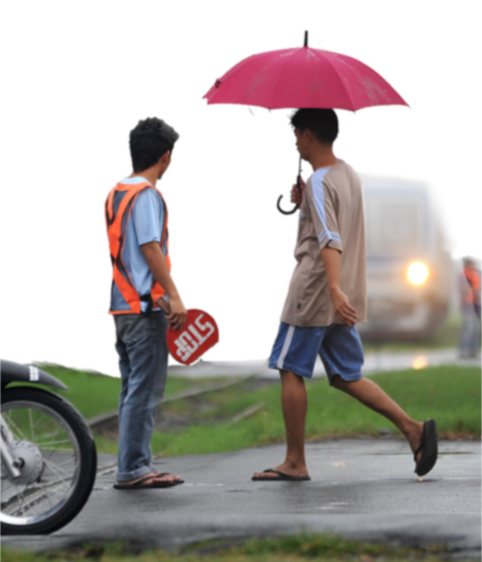
FAO works to improve urban healthcare, water quality and rethink city region food systems to help deter the negative effects of sprawling urbanisation.
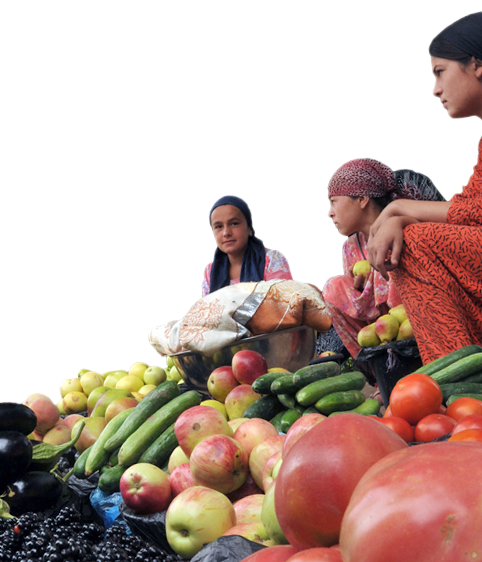
FAO coordinates major global initiatives and projects to tackle food waste and loss, partnering with international organisations, the private sector and civil society.
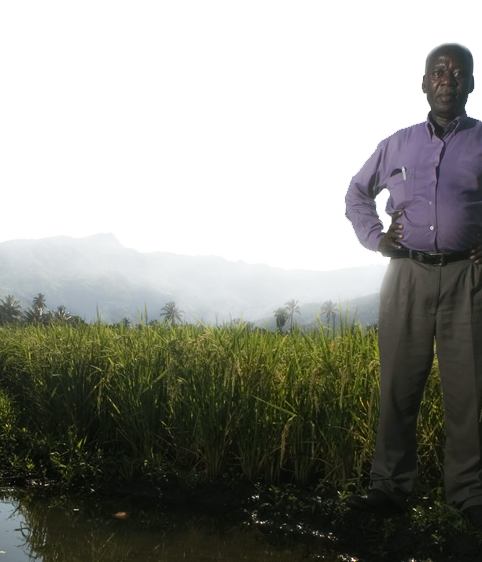
FAO supports countries in responding to the threats of climate change by providing advice, data and tools for better agricultural policies and practices.
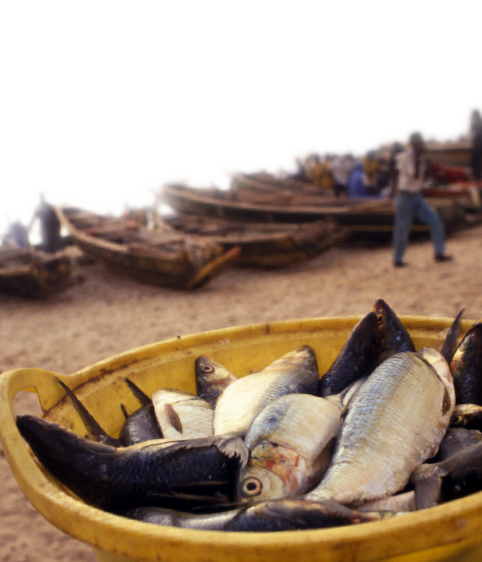
FAO, in partnership with governments and fishing communities, implements best practices in fisheries to ensure our oceans are protected as a means of livelihoods.
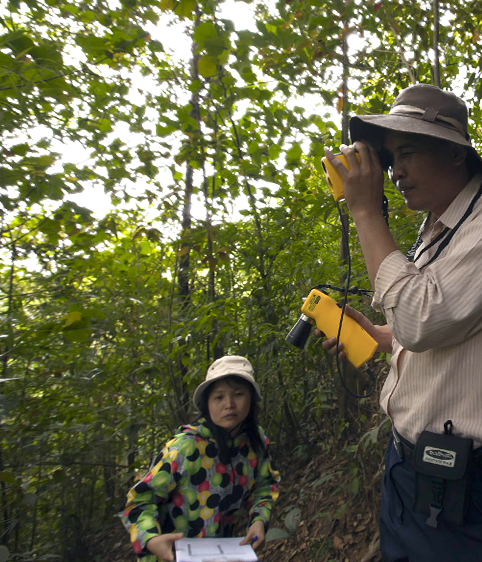
FAO promotes sustainable approaches to natural resource management and supports endeavours that promote a balance between conservation and development initiatives.
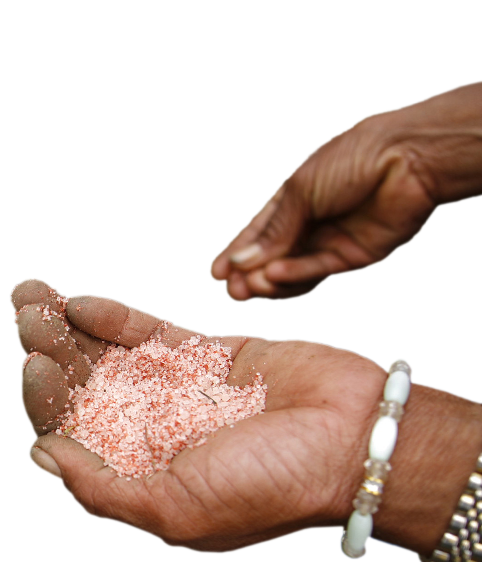
FAO plays a critical role in peacebuilding, restoring rural livelihoods, building resilience and participatory approaches to policymaking.
FAO acts as a neutral policymaking forum and develops partnerships with all concerned with food and agriculture to ensure a world free from hunger.


FAO works with governments and partners to empower some of the world’s most marginalized people to end rural poverty.
FAO helps ensure food security by developing ways of growing food that will work in the future so that millions of people don’t go hungry.
Good health starts with nutrition. FAO sets global standards and works with governments and the private sector to ensure food quality and safety throughout the food chain.
FAO invests in educational systems for rural communities and supports improved access to primary education and school meals in order to create equal opportunities for all and chances of lifelong learning.
FAO supports gender equality in the agricultural sector in an effort to raise levels of nutrition in local communities and improve agricultural productivity.
FAO works with governments to ensure water use in agriculture is made more efficient, equitable and environmentally friendly.
FAO promotes the use of renewable energies and works to ensure access to modern energy services across the food chain.
FAO seeks better economic opportunities for all by investing in sustainable agricultural practices and food systems that reduce inequalities and create decent jobs.
FAO seeks to secure a future for rural communities via investments in transportation, irrigation, food storage facilities and communication technologies.
FAO works with countries and partners to generate employment in rural areas, ensure access to natural resources for the most vulnerable and connect farmers to markets.
FAO works to improve urban healthcare, water quality and rethink city region food systems to help deter the negative effects of sprawling urbanisation.
FAO coordinates major global initiatives and projects to tackle food waste and loss, partnering with international organisations, the private sector and civil society.
FAO supports countries in responding to the threats of climate change by providing advice, data and tools for better agricultural policies and practices.
FAO, in partnership with governments and fishing communities, implements best practices in fisheries to ensure our oceans are protected as a means of livelihoods.
FAO promotes sustainable approaches to natural resource management and supports endeavours that promote a balance between conservation and development initiatives.
FAO plays a critical role in peacebuilding, restoring rural livelihoods, building resilience and participatory approaches to policymaking.
FAO acts as a neutral policymaking forum and develops partnerships with all concerned with food and agriculture to ensure a world free from hunger.
Discover the Globally Important Agricultural Heritage Systems (GIAHS)

Blog Post
Unlocking the power of pulses
Pulses already deliver nutrition at massive scale. The shortcoming isn't production—it's getting more of them from fields to our plates