


Evaluation of FAO’s Cash and Voucher Assistance

Cash,
vouchers, and in-kind transfers are tools used to increase access to
food, water, health care and other goods and services, to build and
support livelihoods. The specific method of transfer varies depending on
the local context, their effectiveness in reaching intended objectives
and outcomes, and organisational capacity.
Cash and voucher
assistance (CVA) interventions are regularly cited by crisis-affected
populations as their preferred modality for receiving assistance and
increasingly perceived as a more empowering and dignified way of
assisting affected populations. In addition, increases in purchasing
power through cash injections allow for protection of assets (keeping
rather than selling them to cover immediate needs) and investments in
livelihoods and productive capacity that stimulate economic recovery.
FAO
has been implementing CVA interventions for over two decades in a
variety of contexts and scales. FAO identifies a role for CVA in
providing immediate relief to farmers, strengthening resilience of their
livelihoods to future shocks (such as, drought, poor production, and
pests), increasing agricultural production, improving food security and
nutrition, and reducing rural poverty. CVA is used to support the
transition from humanitarian assistance to development, including
through enhanced linkages with social protection systems that can be
leveraged to respond to shocks and crises.
FAO’s technical
expertise lies in combining cash transfers with agricultural
interventions to ultimately benefit communities through economic
multiplier effects. In particular, FAO has been increasingly using the
Cash+ approach, which complements cash transfers or vouchers with the
provision of agricultural productive inputs, assets, activities and/or
technical training, as a way to maximize the impact and sustainability.
The cash provided to beneficiaries is designed to address their
immediate food and other basic needs, while the ‘plus’ component
promotes their engagement in productive activities.
The evaluation assesses FAO's CVA portfolio and offers lessons to improve programming. It examines the relevance, partnerships and coordination arrangements, effectiveness and efficiency, gender equality and inclusion, and enabling environment for delivering CVA. The assessment is based on an extensive review of internal documents and external literature, an analysis of 50 FAO CVA projects and 170 FAO evaluations, interviews with 69 key stakeholders, an online survey of FAO’s 85 Country Offices, eight country case studies and three case studies of comparable UN agencies. Its main recommendation was for FAO management to develop a vision and strategy specific to CVA so as to enable their more impactful and more efficient delivery.

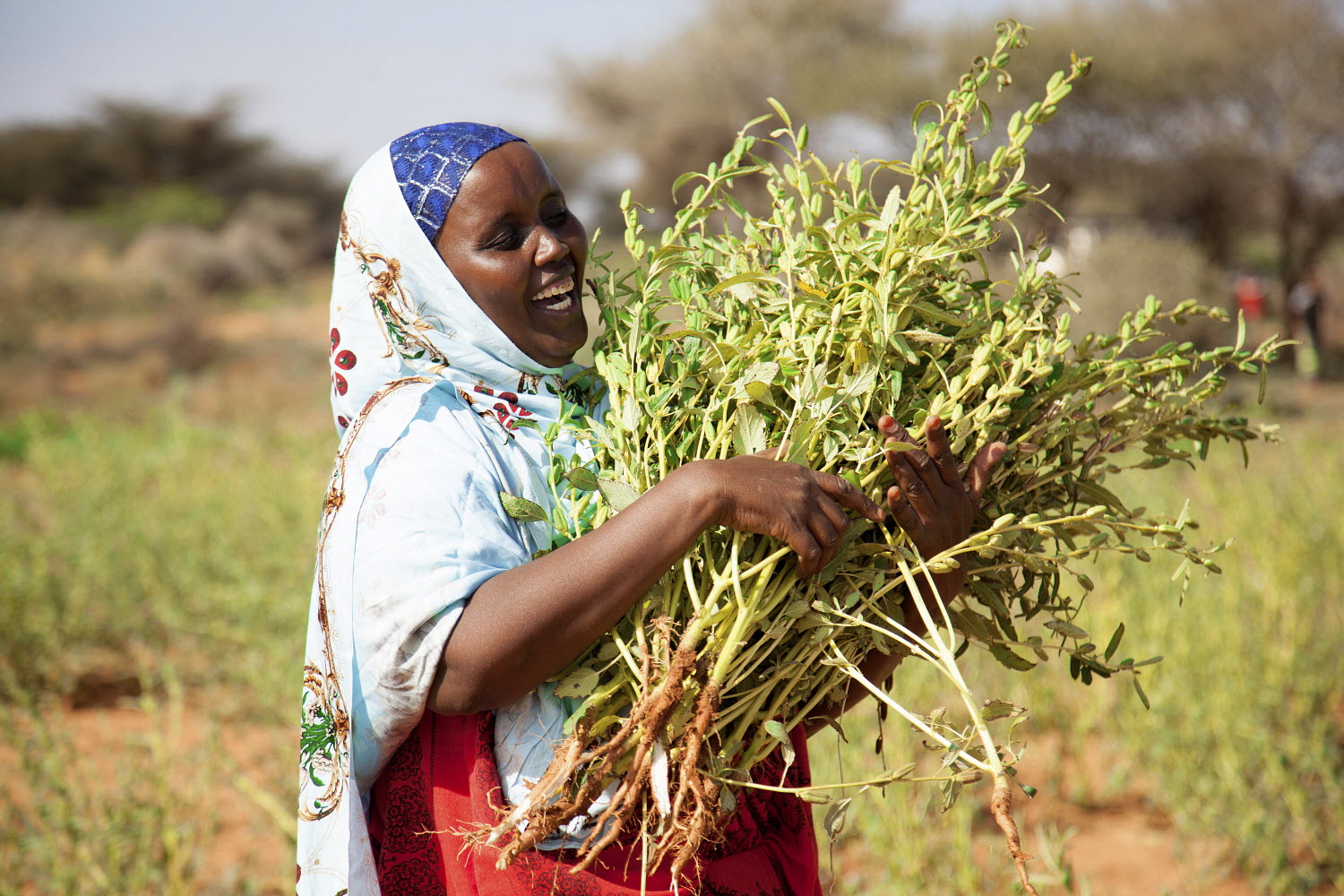
Cluster evaluation of projects on protecting, improving, and sustaining food security in rural Somalia
Somalia has suffered decades of complex emergencies and is facing one of the most protracted crises in the world. In 2020, the food security situation improved, however, the overall situation remains poor and again worsened in 2021.
The cluster evaluation covers FAO projects in Somalia that incorporate cash transfers between 2019-2021. The evaluation provides accountability for results achieved in improving and sustaining food security in Somalia.