


Publications
.jpg?sfvrsn=86d2b17f_1 "Terminal evaluation of the project GCP_GLO_882_CBT “Building Global Capacity to Increase Transparency in the Forest Sector” (CBIT-Forest)")
Terminal evaluation of the project GCP/GLO/882/CBT “Building Global Capacity to Increase Transparency in the Forest Sector” (CBIT-Forest)
2022
The terminal evaluation serves a double purpose of (i) providing evidence on project performance (delivery of results) for accountability and transparency purposes, and (ii) promoting learning and knowledge sharing within FAO and GEF and among the global and national partners to strengthen the institutional and technical capacities of countries to meet the ETF requirements of the Paris Agreement.

Towards open and transparent forest data for climate action: Experiences and lessons learned
2022
“Building global capacity to increase transparency in the forest sector (CBIT-Forest)” is a project led by the Food and Agriculture Organization of the United Nations (FAO) and financed by the Capacity-building Initiative for Transparency (CBIT) trust fund of the Global Environment Facility (GEF) with a lifespan of two and a half years. The global project strengthened the institutional and technical capacities of developing countries to collect, analyze and disseminate forest-related data.
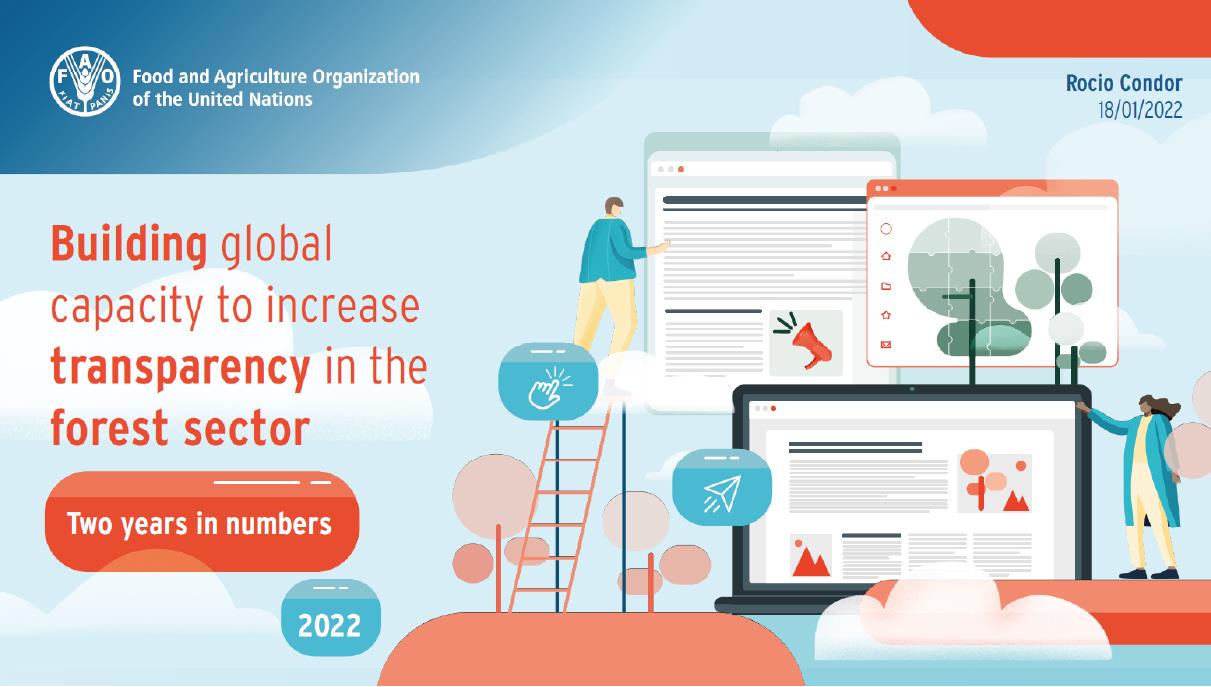
Building global capacity to increase transparency in the forest sector - Two years in numbers - 2022
2022
This presentation focus on the work done in the last two years under the project "Building global capacity to increase transparency in the forest sector (CBIT-Forest)". The initiative, implemented by the Food and Agriculture Organization of the United Nations (FAO), is stepping up the abilities of developing countries’ to collect, analyse and disseminate forest-related data to make forest data transparent and accessible.
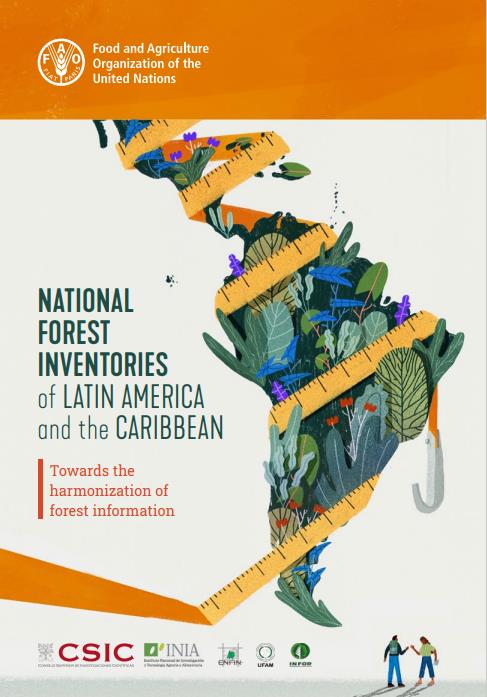
National Forest Inventories of Latin America and the Caribbean: Towards the harmonization of forest information
2021
National forest inventories (NFIs) are one of the main sources of forest information. This book describes the importance and history of NFIs in Latin America and the Caribbean, a region that is particularly relevant due to the extension and biodiversity of its forests. Methodologies for data collection and measurement of the most relevant indicators in 21 countries are addressed. In addition, similarities and differences in IFN designs, challenges and opportunities, and prospects for the...
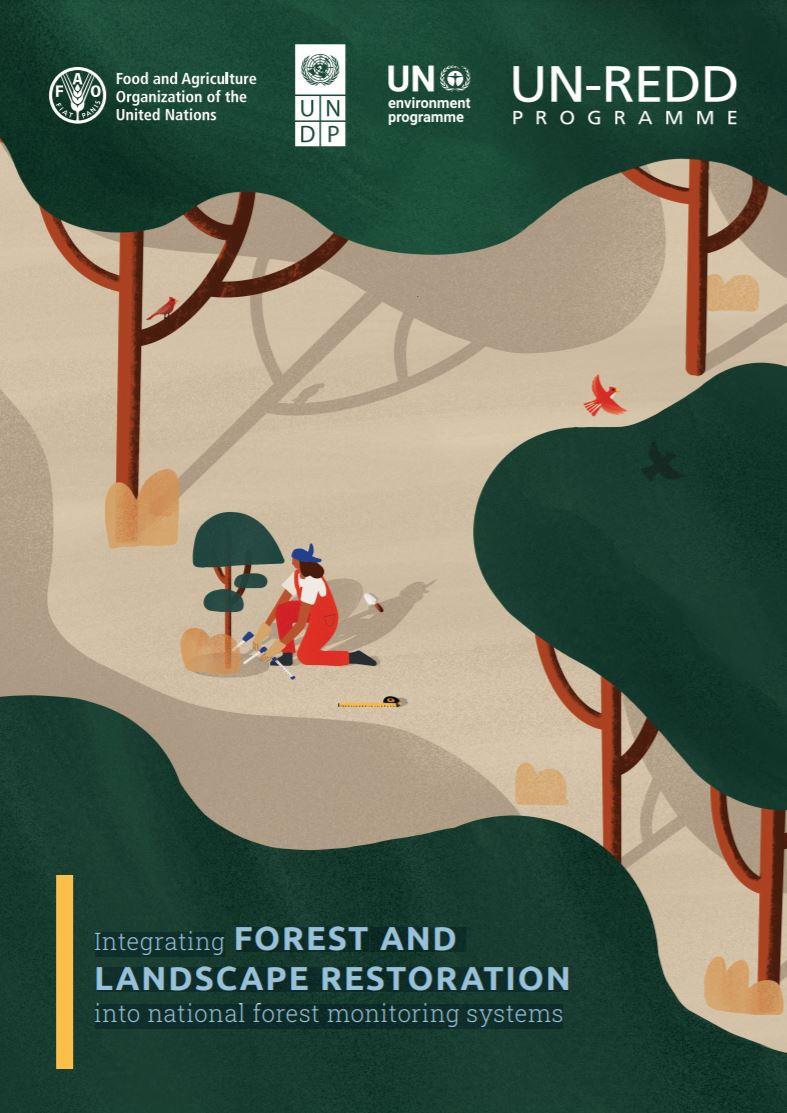
Integrating forest and landscape restoration into national forest monitoring systems
2021
This document, based on the Voluntary Guidelines on national forest monitoring (VGNFM), provides a series of good practices organized into sixteen steps to facilitate the integration of the monitoring process to officers responsible for forest and landscape restoration (FLR) and the national forest monitoring system (NFMS). An inter-institutional work is proposed with key stakeholders to discuss the new information needs according to the approach and modalities of FLR implementation.

What is the forest area of Lao People's Democratic Republic?: Understanding forest area figures from FAO Global Forest Resources Assessment 2020 and the Department of Forestry Forest Assessments
2021
The Food and Agriculture Organization of the United Nations (FAO) monitors the world’s forest resources through periodic Global Forest Resources Assessments (FRA), conducted in cooperation with its member countries. These assessments have been published every five years since 1990. This report breaksdown the data reported in the FRA 2020 Lao country report.
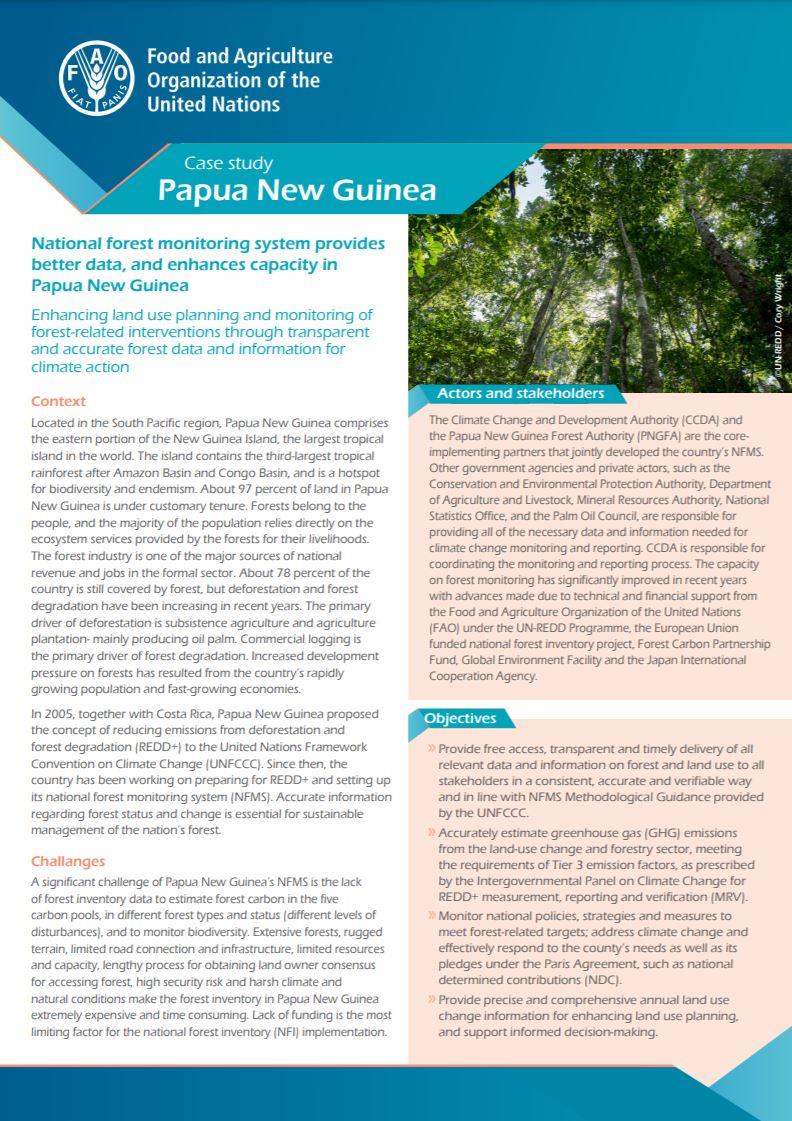
National forest monitoring system provides better data, and enhances capacity in Papua New Guinea
2021
Working with Costa Rica, Papua New Guinea proposed the concept of reducing emissions from deforestation and forest degradation (REDD+) to the United Nations Framework Convention on Climate Change (UNFCCC) in 2005. Ever since, the country has continued to prepare for REDD+ and has worked to establish a National Forest Monitoring System (NFMS). These actions are vital, as accurate information regarding forest status and change is essential for sustainable management of the nation's forest. The...
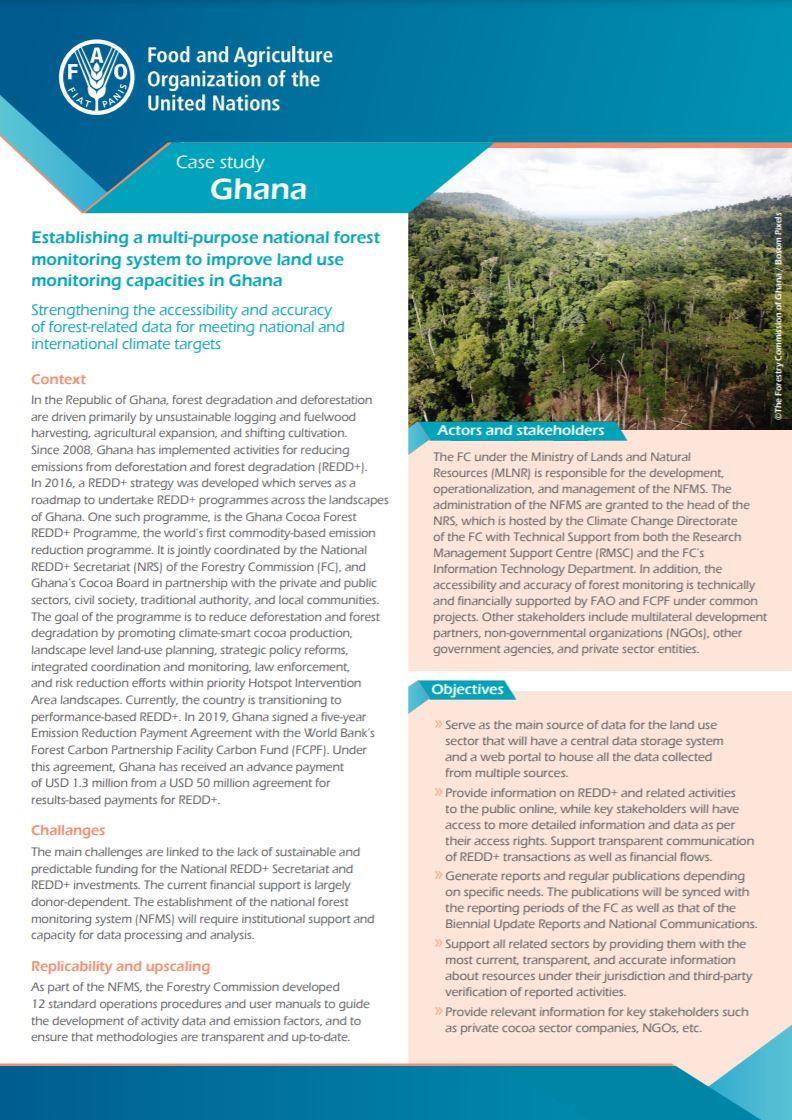
Establishing a multi-purpose national forest monitoring system to improve land use monitoring capacities in Ghana: Strengthening the accessibility and accuracy of forest-related data for meeting national and international climate targets
2021
Since 2008, the Republic of Ghana has implemented activities for reducing emissions from deforestation and forest degradation (REDD+). These actions include establishing a multi-purpose national forest monitoring system (NFMS) to improve land use monitoring capacities in the country. Development of Ghana's NFMS strengthens the accessibility and accuracy of forest-related data for meeting national and international climate targets.

The National Forest Monitoring System as part of the National Strategy on Climate Change and Vegetation Resources in Chile: Applying state-of-the-art monitoring approaches in forest conservation, restoration and management
2021
This case study from Chile applies state-of-the-art monitoring approaches to forest conservation, restoration and managment. It offers a glimpse into Chile's efforts to reduce emissions from deforestation and forest degradation and enhancement on forest carbon stocks (REDD+).
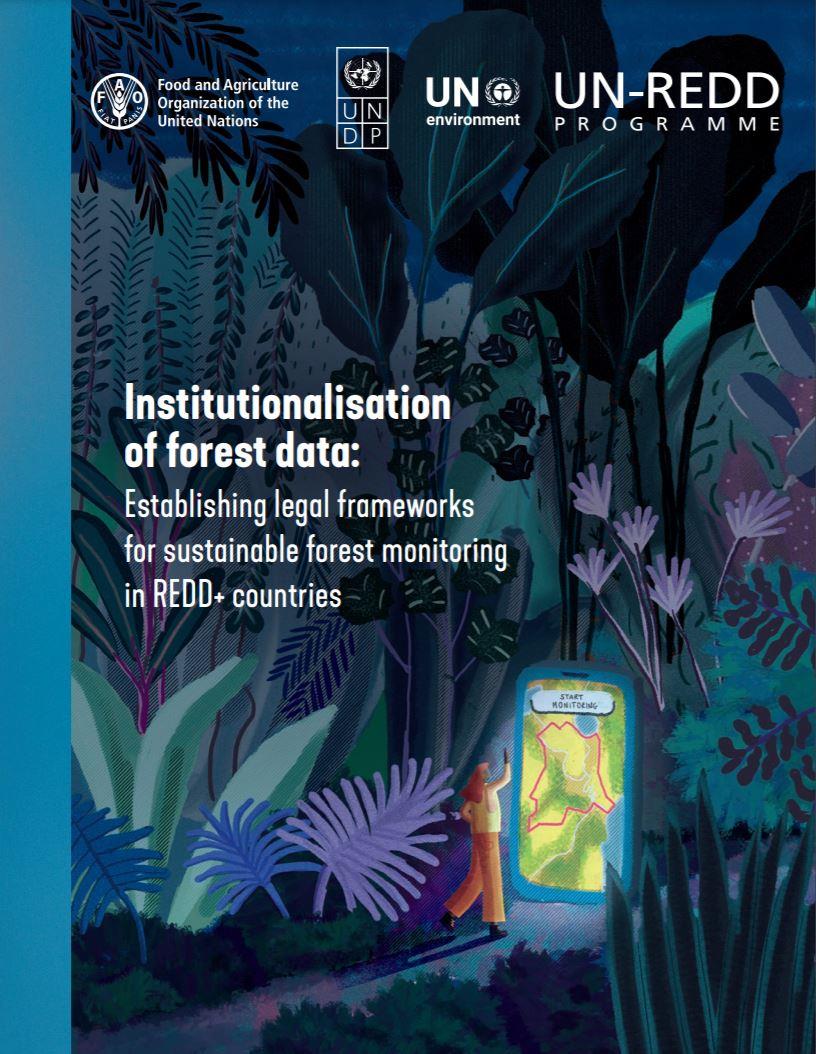
Institutionalisation of forest data: Establishing legal frameworks for sustainable forest monitoring in REDD+ countries
2021
For countries eager to develop a robust and sustainable National Forest Monitoring System (NFMS), clear legal frameworks and instruments related to the collection and management of forest data are key. A recently launched UN-REDD publication, “Institutionalisation of forest data: Establishing legal frameworks for sustainable forest monitoring in REDD+ countries,” provides a basis for understanding the importance of institutionalising an NFMS.
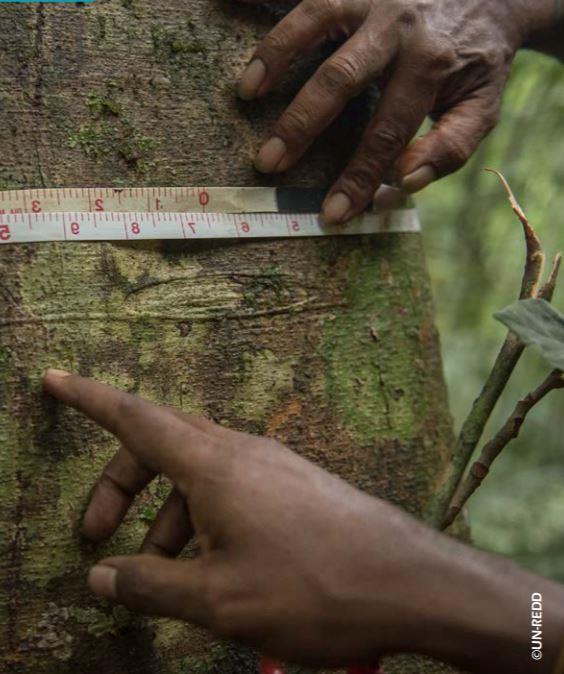
Information Note: Legal assessment to set up and operationalize a national forest monitoring system
2021
Countries have made substantial advances in developing and operationalizing their National Forest Monitoring Systems (NFMS), to comply with the measurement, reporting and verification (MRV) framework under the United Nations Framework Convention on Climate Change (UNFCCC), as well as to provide better forest data to effectively support decision-making and domestic policies.
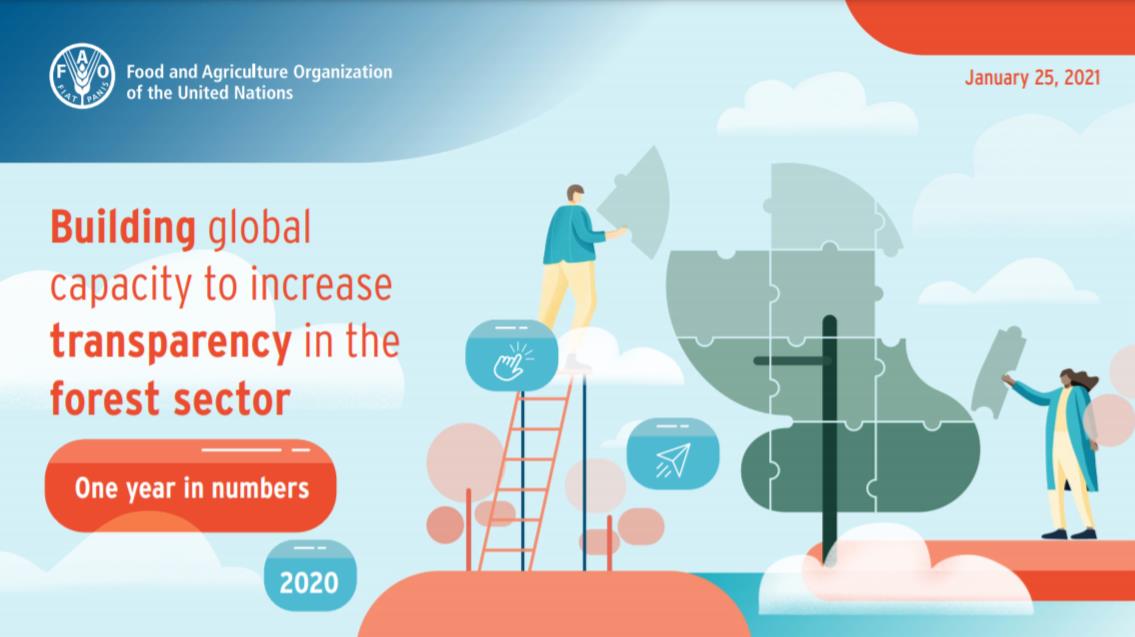
Building global capacity to increase transparency in the forest sector: One year in numbers 2020
2021
One year of building global capacity to increase transparency in the forest sector: 2020 in numbers
Case study Bangladesh - An integrated national forest monitoring system for sustainable forest management and conservation in Bangladesh
2020
Bangladesh is highly vulnerable to the impacts of climate change. To support and improve decision-making on climate change mitigation and adaptation, access to robust data and information is key. The role of the forest sector and the availability of comprehensive forest-related data are supporting long-term planning, implementation and monitoring of forest-related activities that serve multiple purposes.
National forest monitoring system assessment tool: Quick guidance
2020
The national forest monitoring system (NFMS) assessment tool has been developed under the project “Building global capacity to increase transparency in the forest sector (CBIT-Forest)” implemented by Food and Agriculture Organization of the United Nations (FAO) and funded by the Capacity-Building Initiative for Transparency (CBIT) trust fund of the Global...

Case study: Democratic Republic of the Congo
2020
The Democratic Republic of the Congo establishes a national forest monitoring system to promote sustainable forest management. Improving proactive monitoring of deforestation and forest degradation with a robust national forest monitoring system.
NFMS Assessment Tool - Information note
2020
A lack of institutional and individual capacity often undermines the long-term impact of otherwise technically sound programmes. To support efforts towards sound and impactful forest monitoring, the Food and Agriculture Organization of the United Nations (FAO) has developed a national forest monitoring system (NFMS) assessment tool to help countries identify capacity gaps and weaknesses in order to address their real needs in a targeted manner.
?sfvrsn=97e5d89b_0 "24683_1496 - Copy (2)")
NFMS assessment tool
2020
To support efforts towards forest monitoring, the Food and Agriculture Organization of the United Nations (FAO) has developed a National Forest Monitoring System (NFMS) assessment tool to help countries to identify capacity gaps and weaknesses and address their real needs in a targeted manner.
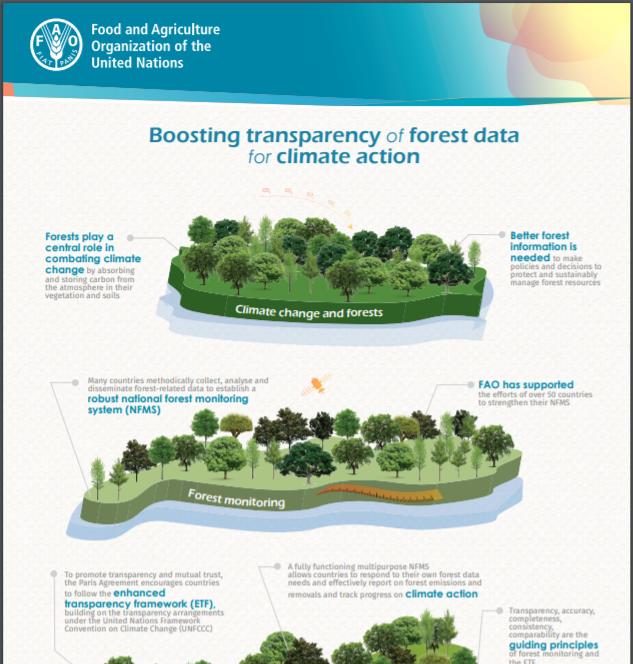
Boosting transparency of forest data for climate action
2020
Forests play a central role in combating climate change by absorbing and storing carbon from the atmosphere in their vegetation and soils. Better forest information is needed to make policies and decisions to protect and sustainably manage forest resources.

Information note: Strengthening national forest monitoring systems through a comprehensive capacity needs assessment
2020
A lack of institutional and individual capacity often undermines the long-term impact of otherwise technically sound programmes. Tosupport efforts towards sound and impactful forest monitoring, the Food and Agriculture Organization of the United Nations (FAO) has developed a national forest monitoring system (NFMS) assessment tool to help countries identify capacity gaps and weaknesses in order to address their real needs in a targeted manner.
Case study Costa Rica: Costa Rica advances in the development of a national system for monitoring land and ecosystem cover and use
2020
The Republic of Costa Rica is a Central American country largely covered by tropical forest that exhibits high biodiversity. The country has made many efforts to conserve its forests and biodiversity, although in most cases forest and agricultural resources have been independently assessed.