


Knowledge Products > Details
Combining Land-Water Management Practices for Agriculture in Coastal Rainfed Areas, Chile
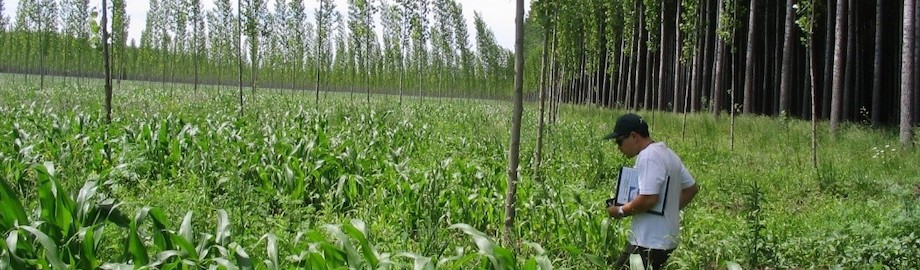
Newly-established poplar plantation with crops, Chile
©FAO/B. Heois
The coastal rainfed area of Chile, ranging from Coquimbo to Biobío regions, includes an extensive and relevant territory in terms of crops and livestock production, with problems of erosion and water availability that cause social vulnerability in small producers who manage between 0.1 ha and 10 ha. The produces also face serious risks in the management of their productive activities that depend on natural resources, especially water.
To support this group, the Ministry of Agriculture (MIDAGRI - Spanish acronym for Ministerio de Agricultura) with the support of FAO, selected a set of good practices adapted to the reality of the territory, climatic conditions and farmers, including them in a field manual. It will provide the best references for the development of agriculture with satisfactory economic and social profitability in Chile's coastal rainfed area.
Through this exercise, integrated farm management techniques were identified that make it possible to increase the water supply in the rainfed area with the availability of rainfall and the restoration and protection of degraded soils. It is recommended to periodically assess the results of the proposed combination of practices to make the necessary adjustments in line with changes in climate or soil conditions.
The 'Field Manual on Integrated Farm Management Techniques for Appropriate Water Use and Restoration of Degraded Soils in Rainfed Agriculture', the main product of this good practice, which provides details on soil management activities, water reserve enhancement and water balance improvements. It is written in simple and accessible language at the level of the target farmers and includes the following: (i) infiltration ditches; (ii) capturing new water resources: rainwater harvesting from roofs and watering points; (iii) preservation of productive soil; (iv) reduction and control of soil degradation and erosion, through: zero ploughing, incorporation of organic matter and use of green manures. Important tools to improve soil structure and control erosion in its initial phase are also outlined, such as chisel ploughing and the construction of stone walls to protect gullies.
For more information click here.
Documents
- MINAGRI - FAO. (2011). Soil and Water Conservation Practices for Productive Adaptation to Climate Variability. Support for the Design and Implementation of An Agro-Climatic Risk Management Model (UTF/CHI/028). Santiago de Chile. 33 pp.
- Chile – Building Agricultural Resilience to Climate Risks. Case study. Rome.
- Being Climate-Smart in Agriculture -5 FAO Projects Helping our Food Producers Adapt to the Changing Climate