


News
Women in agrifood systems around the world
15/10/2026
Putting a spotlight on the women who keep our agrifood systems running

News
International Day for Disaster Risk Reduction 2026: “Resilience Starts at Home: protecting agricultural livelihoods where risk is felt first”
08/10/2026
FAO supports locally led action to reduce disaster risks and strengthen rural livelihoods
Highlights
-(1).png?sfvrsn=34c78fe0_1)
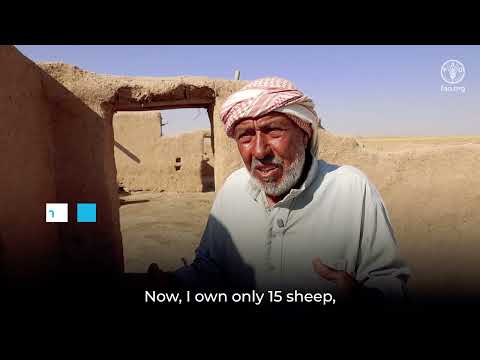
SHF and FAO protect livestock families in Northeast Syria rely on for survival
20/08/2026
With support from the Syria Humanitarian Fund (SHF), FAO provided 500 kg of supplementary animal feed to each of 11 072 livestock-keeping households (66 400 people) across Al-Hasakeh, Ar-Raqqa and Deir ez-Zor, helping families protect the productive assets they depend on for food security and livelihoods.

In focus
Anticipatory action
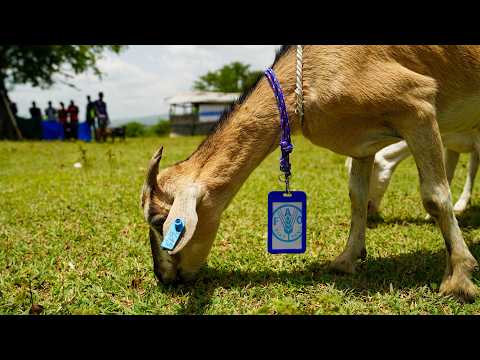
FAO is forging a way for a faster, more effective humanitarian system by shifting from disaster response to anticipation.
_11zon.jpg?sfvrsn=4e8a1f44_11)
In focus
Forced displacement
The increasingly protracted nature of forced displacement calls for sustainable and durable solutions.
Key publications

Venezuela (Bolivarian Republic of): Belgium’s contribution through the Special Fund for Emergency and Resilience Activities (SFERA)
16/09/2026
In the aftermath of the June 2026 earthquakes in Venezuela (Bolivarian Republic of), FAO, thanks to support from Belgium through the Special Fund for Emergency and Resilience Activities, will help 2 160 people in the most affected areas.

Afghanistan: Child acute malnutrition, a livelihood systems perspective
09/09/2026
This technical brief presents findings from a study on how seasonal livelihood systems shape child acute malnutrition in Afghanistan.

Gaza Strip: Time-critical support to farming households to restore local production of nutritious food and enhance food security
30/06/2026
With funding from the Ministry for Europe and Foreign Affairs of France, the Food and Agriculture Organization of the United Nations (FAO) is supporting 280 farming households in the Deir al-Balah and Khan Yunis governorates of the Gaza Strip with conditional cash assistance to rehabilitate agricultural land and procure locally available production inputs.