


Непризнание и маргинализация
Девяносто процентов рыбаков и работников рыбной отрасли заняты в секторе маломасштабного рыболовства, на который в развивающихся странах приходится более 50% общего вылова. Но при этом общины, занимающиеся маломасштабным рыбным промыслом, часто крайне бедны, политически и социально обособлены. Маргинализация, как правило, лишает общину доступа к основным услугам – питьевой вроде, жилью, равно как к услугам в сферах образования и здравоохранения.
Занятость в секторе большей частью неформальная. Заработки нестабильны, потому что от сезона к сезону объемы вылова колеблются. В ряде случаев рыбаки и работники рыбной отрасли не могут рассчитывать на социальную защиту, поскольку соответствующих схем предоставления социальных гарантий не существует. Но даже там, где такие схемы работают, воспользоваться ими рыбакам сложно: необходимо платить ежемесячные взносы.
В целом рыболовство считается очень опасным занятием, часто рыбакам приходится мириться с переработками, опасными условиями труда, неудовлетворительным состоянием здоровья. В ряде случаев уязвимость занятых в маломасштабном рыболовстве могут усугублять проявления насилия, детский труд, подневольный труд, сексуальное насилие, недостаточные меры обеспечения безопасности на море.
Связь между социальным развитием и устойчивым управлением рыболовством
В плане признания прав рыбаков и работников рыбной отрасли исключительно важно, чтобы они привлекались к консультациям в процессе принятия решений, способных оказать воздействие как на них самих, так и на ресурсы, от которых они зависят. Люди, формально и неформально занятые во всех звеньях производственно-сбытовой цепочки рыболовства, должны иметь возможность работы в достойных и выгодных условиях. Это относится и к рабочим-мигрантам, которым принадлежит важная роль в глобальном рыболовстве. Подневольный труд, насилие и обременение долгами следует искоренять.
Признавая особые условия труда рыбаков, Продовольственная и сельскохозяйственная организация Объединённых Наций (ФАО) стремится содействовать их экономической интеграции, укреплять их устойчивость к вызовам и обеспечивать защиту их источников средств к существованию путем расширения охвата и повышения эффективности программ социальной защиты. ФАО оказывает поддержку развитию национального потенциала, способствуя более глубокому пониманию препятствий, с которыми сталкиваются представители маломасштабного рыболовства при попытке получить доступ к социальной защите.
Принципы УМР призывают обеспечить социально-экономическое развитие общин, занятых в маломасштабном рыболовстве, чтобы они могли пользоваться принадлежащими им правами человека. Правительствам предлагается включать в национальное законодательство положения международных стандартов. В частности, речь идет о праве на надлежащий уровень жизни, достойную работу, об удовлетворении потребностей в части здравоохранения, образования, других основных потребностей.
Кроме того, Принципы УМР содержат адресованную государствам рекомендацию вкладывать средства в развитие человеческого потенциала занятых в маломасштабном рыболовстве общин, учитывать в рамках управления рыболовством вопросы охраны здоровья и обеспечения безопасности рыбаков. Не менее важна рекомендация, согласно которой в целях укрепления общин, занятых маломасштабным рыбным промыслом, государствам следует обеспечивать их доступ к механизмам социального обеспечения, кредитам и страхованию. Государства отвечают за наличие законов, регулирующих меры безопасности на море, организацию профессиональной подготовки, доступность средств обеспечения безопасности.
Вопросам социального развития, занятости и достойного труда посвящен раздел 6 Принципов УМР.
Видео Принципах УМР по социальной защите, занятости и достойному труду
Публикации

FAO promotes training on Gender Transformative Approach for small-scale fisheries actors in Ghana
18/02/2026
The Fisheries Commission, in collaboration with the Food and Agriculture Organization (FAO), has trained 36 participants (50% men and 50% women) representing 13 stakeholder groups, including small-scale fisheries actors, academia, civil society, government representatives, and fisheries office...

Ghana inaugurates National Task force Team to advance the development of a National Plan of Action for Small-Scale Fisheries
27/01/2026
Ghana, supported by FAO, is currently in the process of initiating its National Plan of Action for Small-Scale Fisheries (NPOA-SSF), in line with the Voluntary Guidelines for Securing Sustainable Small-Scale Fisheries (SSF Guidelines). Marking a significant step toward strengthening sustainabl...

The Tanzania Women Fishworkers Association strengthens collaboration with Ministry of Livestock and Fisheries to empower women in small-scale fisheries
21/01/2026
The Tanzania Women Fishworkers Association (TAWFA), supported by FAO, met with the Permanent Secretary, Ms. Agnes Meena, at Government City, Mtumba, Dodoma. The meeting aimed at strengthening the collaboration between TAWFA and Ministry of Livestock and Fisheries (MLF) by providing TAWFA leade...

FAO raises awareness on responsible practices in small-scale fisheries during Jinja Fish Festival 2025
10/12/2025
The Food and Agriculture Organization of the United Nations (FAO) in collaboration with Small Scale Fisheries (SSF) partners and value chain actors (Fishers and Fish Workers, researchers, academics, and training institutions) organized the 7th edition of the Jinja Fish Festival from 6-7 Decemb...

Colombia starts the development of the National Plan of Action for Small-Scale Fisheries (NPOA-SSF)
28/11/2025
Written by: Kelly Rojas Correa, FAO consultant
With the participation of women and men leaders from the fisheries sector, institutions, Non-Governmental Organizations and partners of the Interinstitutional Group for Social Protection for Fisheries and Aq...

Indonesia launches National Action Plan for Small-Scale Fisheries
25/11/2025
In a major step toward strengthening the country’s coastal fishing communities and sustainable fisheries management, the Ministry of Marine Affairs and Fisheries of Indonesia (MMAF) has officially launched the National Action Plan for Small-Scale Fisheries Management (NPOA-SSF) on 5 Nove...

Women in Indonesia’s Raja Ampat transform their livelihoods by making fish crackers
21/11/2025
Fish crackers are a popular and nutritious snack in Indonesia, where they are often enjoyed alongside other seafood dishes. In the Raja Ampat Regency, a group of islands in the east of the archipelago country, crackers have become a key source of income for women in coastal communities who previously did not have the opportunity to earn their own money.

From ice to price: how an ice-machine improve gains for women working in post-harvest fisheries activities in Madagascar
21/11/2025
On the beach of Toliara, Madagascar, women wait under the sun with their coolers ready. The first boats are approaching, and this time, their fish will stay fresh long enough to fetch a fair price.

Lessons from the river: Carrying forward the teachings of my ancestors
29/10/2025
Written by Tanikwah Lang
My fingers sting from the cold as I hold them over the fire, the warmth rushing back too quickly as the sun begins to wash away the morning dawn. Down the bank, I can hear my sisters laughing as they talk about how the last fish got away with the b...

Reeling in a better future for Tanzania’s women fish workers
16/10/2025
When Hadija Malibiche first started buying and selling fish in the coastal region of Mtwara, she worked alone and struggled to make a steady income. Like many women in small-scale fisheries, she had no access to credit, little bargaining power in the market, and few opportunities to grow her business. That changed after she joined a group of fishers that belongs to the Tanzania Women Fish-workers Association (TAWFA).

Tanzania hosts consultative workshop on mainstreaming biodiversity in fisheries management
13/10/2025
The Ministry of Livestock and Fisheries (MLF), in collaboration with the Food and Agriculture Organization of the United Nations (FAO), has convened a three-day consultative workshop in Dar es Salaam aimed at mainstreaming biodiversity into fisheries management in the context of the Kunming&nd...

Advancing the implementation of the National Plan of Action for Small-Scale Fisheries (NPOA SSF) in the Philippines
30/09/2025
The Food and Agriculture Organization of the United Nations (FAO) in partnership with The Philippines - Bureau of Fisheries and Aquatic Resources (BFAR) organized a Partnership Dialogue with National Government Agencies in support of advancing the implementation of the Nationa...

Empowering Pacific communities: FAO supports 5th Community-Based Fisheries Dialogue
26/09/2025
The 5th Community-Based Fisheries Dialogue (CBFD5) was held in Guadalcanal in Solomon Islands on 25-26 September 2025, building on the previous 5 years of successful collaboration and knowledge exchange between the Pacific region’s local fishing community groups and representatives, civi...

Bay of Bengal Countries develop roadmaps for small-scale fisheries: Regional workshop translated the SSF Guidelines into action
22/09/2025

Inauguration of the ice machine donated by FAO to the National Network of Women in Fisheries in Madagascar
12/09/2025

FAO organizes workshop with small-scale fisheries stakeholders to define the priorities for new project in Madagascar
11/09/2025
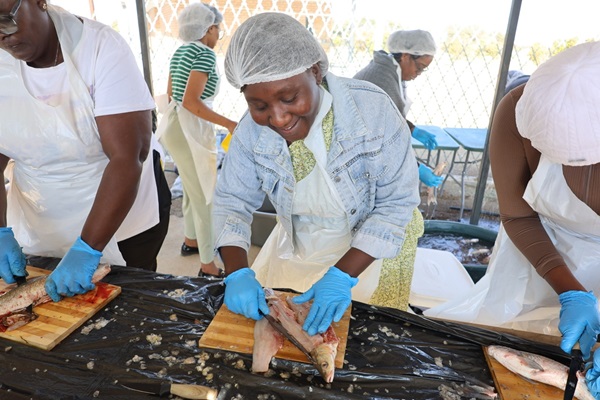
FAO empowers small-scale fishers and traders through climate-smart post-harvest trainings in Namibia
10/09/2025
In support of Namibia’s efforts to build resilient, inclusive, and sustainable agri-food systems, FAO has strengthened its collaboration with small-scale fisheries (SSF) communities through two Training of Trainers (ToT) and two supervised training workshops held in Keetmanshoop and Rund...

AWFISHNET’S leadership handover sets ambitious targets for women’s empowerment in Africa’s small-scale fisheries
08/09/2025

Dropping anchor in Mwanza: Global Learning Exchange will bring small-scale fisheries experts together in November
05/09/2025

Project’s quarterly call highlights progress and lessons learned ahead of project closure
02/09/2025


Знакомство с Принципами УМР
- Ответственное регулирование вопросов владения и пользования
- Устойчивое управление ресурсами
- Цепочки создания стоимости, послеуборочные процессы и торговля
- Гендерное равенство и равенство
- Риски стихийных бедствий и изменение климата
- Подхода, основанного на правах человека
- Коренные народы и мелкомасштабное рыболовство
- Продовольственная безопасность и питание
