



Global status and acceleration needs for SDG indicator 6.4.1, 2021
01/09/2021
The global indicator on water-use efficiency tracks to what extent a country’s economic growth is dependent on the use of water resources, and enables policy and decision-makers to target interventions at sectors with high water use and low levels of improved efficiency over time. This indicator addresses the economic component of...
Global status and acceleration needs for SDG indicator 6.4.2, 2021
01/09/2021
The global indicator on water stress tracks the level of pressure that human activities exert over natural freshwater resources, indicating the environmental sustainability of the use of water resources. A high level of water stress has negative effects on social and economic development, increasing competition and potential conflict among users....
A guide to forest-water management
30/08/2021
Climate change is likely to aggravate water stress. As temperatures rise, ecosystems and the human, plant, and animal communities that depend on them will need more water to maintain their health and to thrive. Forests and trees are integral to the global water cycle and therefore vital for water security –...

Hunger Hotspots - FAO-WFP early warnings on acute food insecurity: August to November 2021outlook
30/07/2021
The August to November edition of the Hunger Hotspots report provides the results of a joint FAO-WFP early warning analysis of acute food insecurity hotspots. It highlights countries that are at risk of significant food security deterioration, in particular acute hunger and associated malnutrition. The analysis takes into account all...

Can Water Productivity Improvements Save Us from Global Water Scarcity?
29/07/2021
This paper is intended for a broad range of actors working on agriculture water use. This includes policymakers and decision-makers who are designing national or basin-scale interventions to address water scarcity and stakeholders who would be impacted by these programs. This paper aims to provide some guiding recommendations to ensure...

Promoting youth engagement and employment in agriculture and food systems
19/07/2021
The Committee on World Food Security (CFS) calls for the development of systems, policies and programmes that engage more youth in agriculture and agricultural professions. To inform this important workstream, the CFS Multi-Year Programme of Work for 2020–2023 requested the High-Level Panel of Experts on Food Security and Nutrition (HLPE)...
Climate-smart agriculture case studies 2021
09/07/2021
This publication describes climate-smart agriculture (CSA) case studies from around the world, showing how the approach is implemented to address challenges related to climate change and agriculture. The case studies operationalize the five action points for CSA implementation: expanding the evidence base for CSA, supporting enabling policy frameworks, strengthening national...
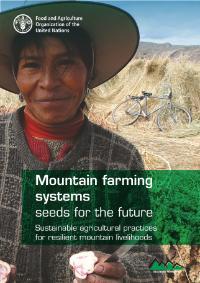
Mountain farming systems – seeds for the future
08/07/2021
This publication presents a collection of case studies by Mountain Partnership (MP) members from around the world, highlighting experiences of agroecological mountain farming systems. It aims to increase attention toward agroecological principles and approaches and showcase their potential. The MP, the only United Nations global voluntary alliance dedicated to sustainable...
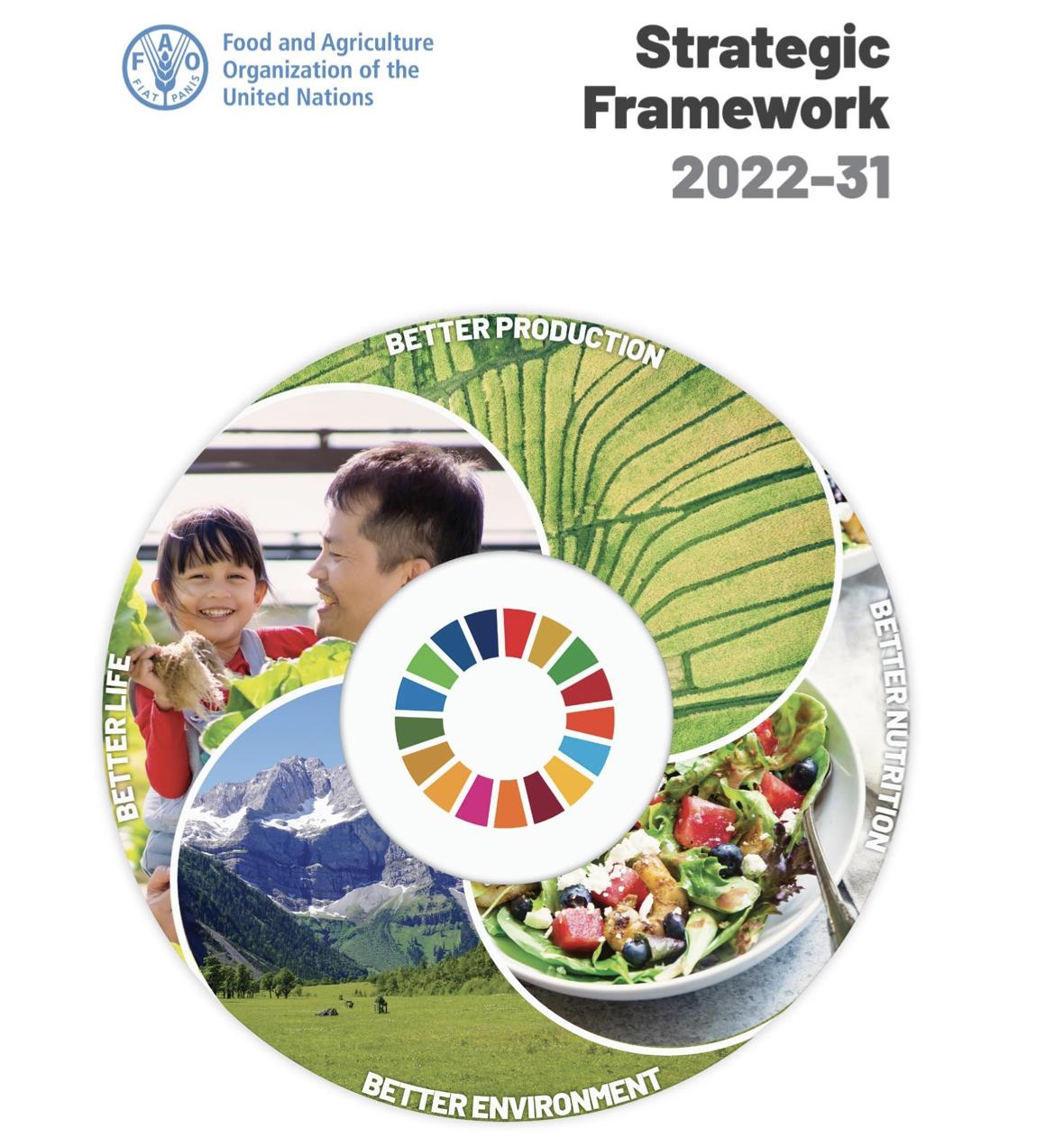
FAO Strategic Framework 2022-2031
05/07/2021
FAO’s Strategic Framework seeks to support the 2030 Agenda through the transformation to MORE efficient, inclusive, resilient and sustainable, agri-food systems for better production, better nutrition, a better environment, and a better life, leaving no one behind. The four betters represent an organising principle for how FAO intends to contribute directly to SDG 1 (No poverty),...
OECD FAO Agricultural Outlook 2021-2030
05/07/2021
The Agricultural Outlook 2021-2030 is a collaborative effort of the Organisation for Economic Co-operation and Development (OECD) and the Food and Agriculture Organization (FAO) of the United Nations. It brings together the commodity, policy and country expertise of both organisations as well as input from collaborating member countries to provide...
Guide on incentives for responsible investment in agriculture and food systems
22/06/2021
Increased investment in agriculture and food systems—from both the private and public sectors—is critical to enhance food security and nutrition, reduce poverty, and adapt to climate change. To generate sustainable benefits, this investment must be responsible. This Guide provides policymakers and government technical staff with guidance on how investment incentives...

Making climate-sensitive investments in agriculture
16/06/2021
Climate change is a major challenge for agriculture, a vital source of food, income and employment for most of the world’s poor. Agricultural investments, as a result, need to become more climate sensitive. This is as true for general agricultural investments focused on development outcomes as for projects specifically addressing...
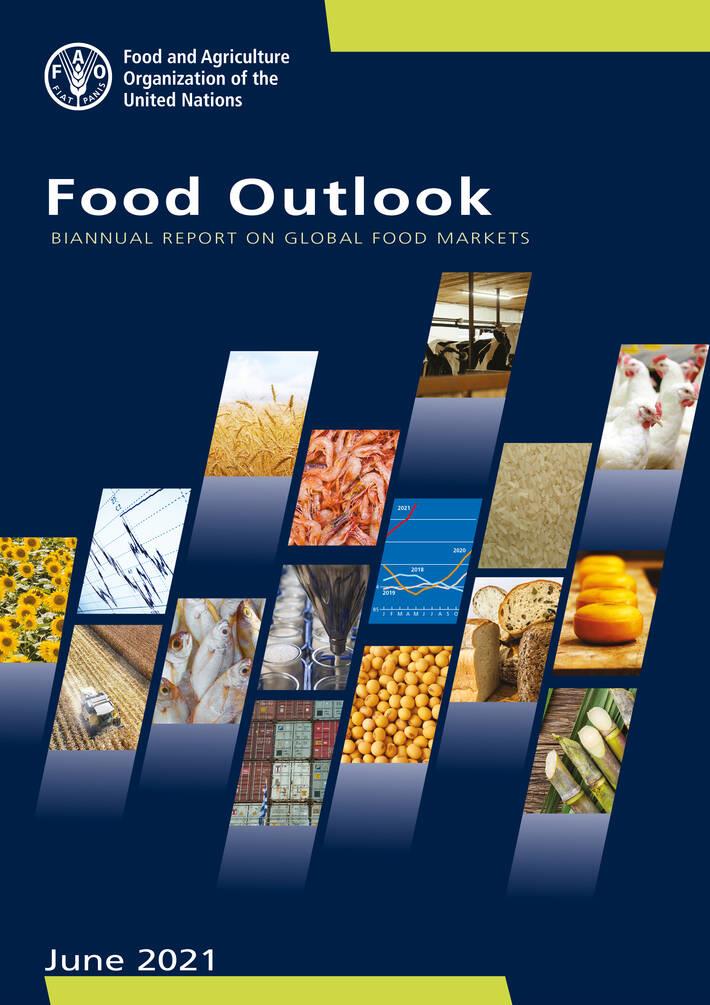
Food Outlook - Biannual Report on Global Food Markets (June 2021)
11/06/2021
Food Outlook, issued twice a year, offers a detailed assessment of market supply and demand trends for the world's major foodstuffs, including cereals, vegetable oils, sugar, meat and dairy and fish. It also looks at trends in futures markets and shipping costs for food commodities. The report notes that trade flows...
Cross-border coordination of livestock movements and sharing of natural resources among pastoralist communities in the Greater Karamoja Cluster
09/06/2021
Frequent and persistent droughts are a recurrent feature of the Karamoja Cluster, which encompasses the southwestern parts of Ethiopia, northwestern Kenya, the southeastern parts of South Sudan and northeastern Uganda. The impacts of these droughts are exacerbated by climate change, advancing desertification and the environmental degradation of rangelands. The resulting...
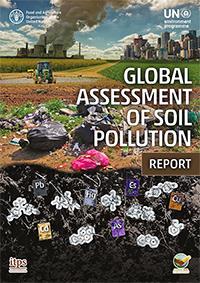
Global assessment of soil pollution: Report
04/06/2021
Soil pollution is invisible to the human eye, but it compromises the quality of the food we eat, the water we drink, and the air we breathe, and puts human and environmental health at risk. Most contaminants originate from human activities, such as industrial processes and mining, poor waste management,...
Previous Newsletters
2026: January,February, March, April, May, June, July
2025: January, February, March, April, May, June, July, September, October, November , December
2024: January, February, March, April, May, June, July, August, September, October, November, December
2023: January, February, March, April, May, June, July, August, September, October, November, December
2022: January, February, March, April, May, June, July, August, September, October, November, December
2021: January, February, March, April, May, June, July, August, September, October, November, December
2020: January, February, March, April, May, June, July, September, October, November, December