大量未受承认和边缘化
世界上90%的捕捞渔民和渔业工作者从事小规模渔业,小规模渔业贡献了发展中国家渔获量的50%以上。然而,小规模渔业社区往往也是经济最贫困、政治和社会最边缘化的社区。这种边缘化通常意味着这些社区不仅无法获得饮用水和住房等基本服务,也难以得到教育和卫生服务。
该部门的大多数工作是非正式的,没有稳定的收入。这当中部分原因在于渔获量因季节而异。某些情况下,缺少渔民和渔业工作者可以参与的社会保障计划;另一些情况下,存在这样的计划,但渔民和渔业工作者无力为此按月支付费用,因而难以加入。
一般来说,捕鱼被认为是一种非常危险的职业,渔业工作者通常必须忍受长时间工作、恶劣的职业安全和健康。暴力、使用童工、强制劳役、性虐待、海上安全等问题在一些情况下会大大加剧小规模渔业行动方的易受害性。
社会发展和可持续渔业管理相结合
为使渔民和渔业工作者的权利得到承认,关键要使渔民和渔业工作者在对其本身及其所依赖的资源产生影响的决策过程中参与磋商。渔业价值链中正式和非正式行业的所有工作者都应有体面的工作条件和良好的收入,也包括迁徙工人在内,他们全球渔业中扮演着重要的角色。必须消除强制劳役、暴力和沦为债奴的现象
鉴于渔民所处的特殊环境,联合国粮食及农业组织(FAO)致力于扩大和完善社会保障计划,以促进渔民的经济融入,提升 生计保障,并增强其韧性。FAO 通过深入研究小规模渔业在获取社会保障方面所面临的障碍,帮助各国提升国家能力。
《小规模渔业准则》要求小规模渔业社区通过社会和经济发展实现人权。政府应当确保在国家法律中纳入国际人权标准,包括享有充足生活水准和体面劳动的权利,以及确保满足卫生、教育和其他基本需求的权利。
《小规模渔业准则》进一步建议各国对小规模渔业社区的人力资源开发进行投资,将职业健康和安全纳入渔业管理。对加强小规模渔业社区建设的另一项重要建议是促进社会保障、支持对信贷和保险计划的获取。各国有责任制定、颁布和实施针对海上安全的法规,提供培训和易于获取的安全设备。
《小规模渔业准则》第6章是关于社会发展、就业和体面劳动的内容。
《小规模渔业准则》 指南视频
出版物

小型渔船 渔民海上安全手册
01/09/2019
小型渔船渔民海上安全手册》旨在帮助渔民建立安全意识, 减少事故的发生,增加事故发生后的生还机会。本手册就小 型渔船安全(例如消防安全、甲板安全、救生设备、照明和 通风)、人身安全和航行安全提供指导。本手册还提供出海 开展捕捞作业前的各项检查和检查步骤信息,以及海上求生 指南。 下载 其他語言版本:...
FAO-OOH Partnership to Strengthen the Recognition and Protection of the Human Rights of Small-Scale Fishers and their Communities in 2022
10/12/2021
Environmental Leadership by Small-Scale Fishers: November 24 Webinar and Website Launch
21/10/2021
CALL FOR PAPERS - Special Issue on the occasion of the International Year of Artisanal Fisheries and Aquaculture 2022
05/10/2021

Virtual expert consultation on a monitoring, evaluation, and learning framework for the Voluntary Guidelines for Securing Sustainable Small-Scale Fisheries in the Context of Food Security and Poverty Eradication
27/09/2021
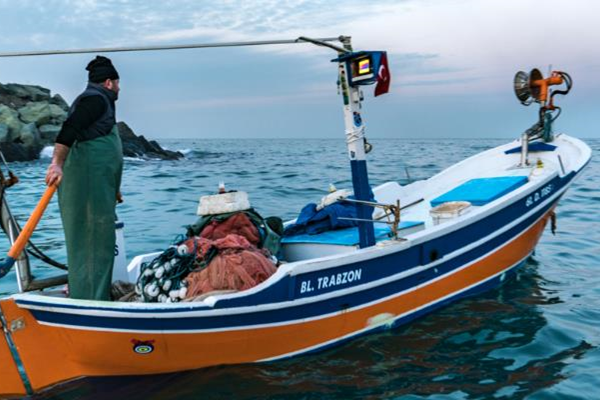
Decent work and social protection – the SSF forum raises awareness on the safety and vulnerabilities related to small-scale fisheries.
24/09/2021
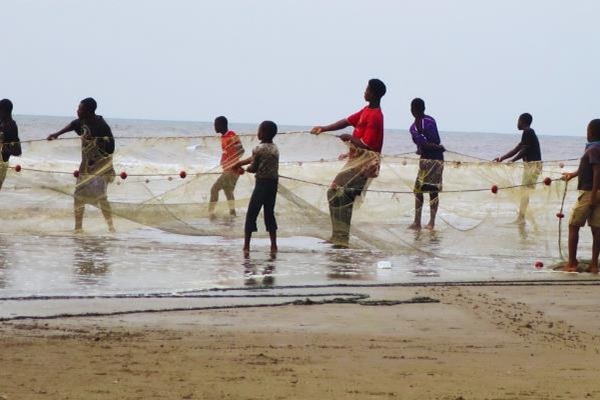
The SSF Guidelines help empower inland and marine fishing communities all over the world
17/09/2021
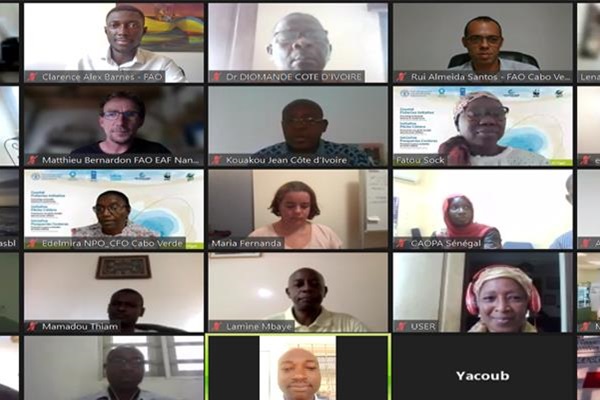
Scaling up the implementation of the Ecosystem Approach to Fisheries and the SSF Guidelines – CFI training workshop for project staff and partners
17/08/2021
The SSF Forum, a place where fishers come together, learn and share experiences - Offering support to small-scale fishers and fish workers to further develop their capacities and skills
21/07/2021
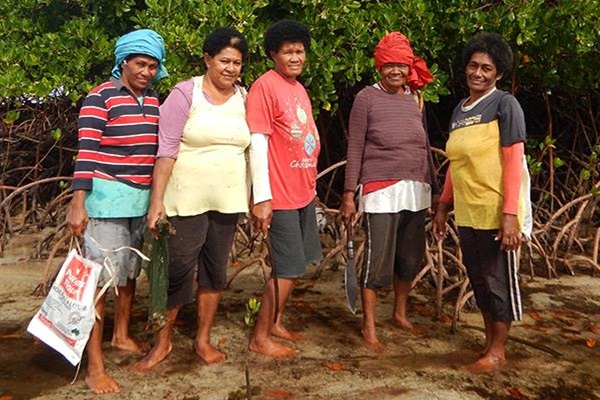
Empowering women in small-scale fisheries for sustainable food systems in Asia and the Pacific
17/06/2021
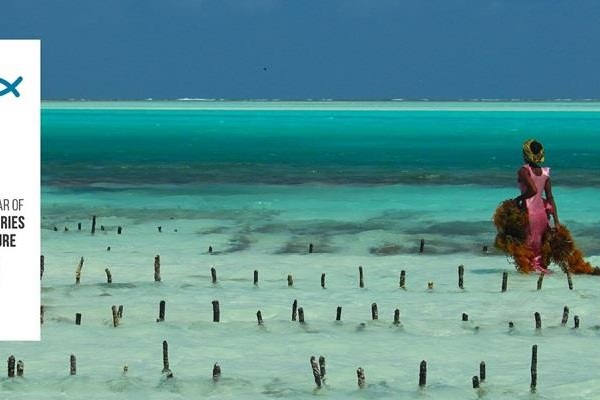
International Year of Artisanal Fisheries and Aquaculture 2022 – find out what’s swimming your way.
09/06/2021
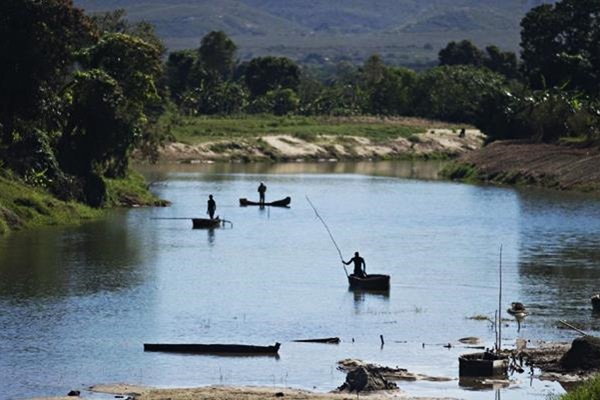
In their own words: the role that Civil Society Organisations (CSOs) play in the implementation of the SSF Guidelines
25/03/2021
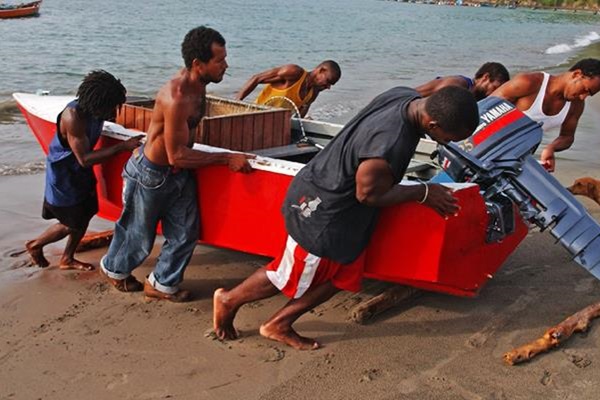
Overview: the role of Civil Society Organisations play in the implementation of the SSF Guidelines
25/03/2021
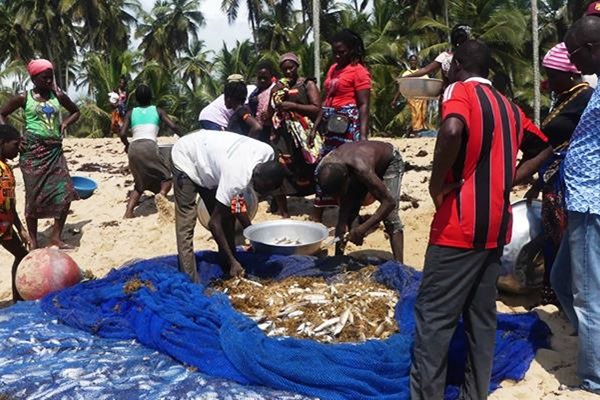
Studying the impacts of fishmeal production in Africa
15/03/2021
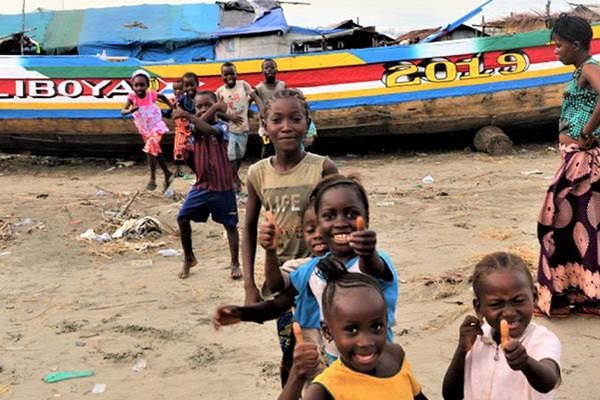
Overview: the role of Non-Governmental Organizations in the implementation of the SSF Guidelines
25/01/2021

In their own words: how ABALOBI, the Environmental Defence Fund, the Swedish Society for Nature Conservation and the Environmental Law Institute are helping to implement the SSF Guidelines
25/01/2021

The SSF Hub is live!
19/01/2021

FAO and Invemar host a meeting with platoneras from Buenaventura in Colombia
13/01/2021

National Inception Workshop for ‘Empowering women in small-scale fisheries for sustainable food systems’ held in Sierra Leone
06/01/2021

In their own words: the role of research and academia in the implementation of the SSF Guidelines
15/12/2020