


Highlights

Why are women who feed Latin America and the Caribbean still invisible?
One in three agrifood workers in Latin America and the Caribbean is a woman. Yet, nearly half of them work without pay and hold little decision-making power. What lies behind this paradox?

2026 International Year of Rangelands and Pastoralists
Aims to foster inclusive policy dialogue and collaborative engagement to improve pastoralist livelihoods and sustainable rangeland management. Rangelands and pastoralists have great potential to contribute and deliver on the Sustainable Development Goals.
Stories
.tmb-th600x400.jpg?Culture=en&sfvrsn=7ab7dab8_2 "Rakesh Bhukal")
.tmb-th600x400.jpg?Culture=en&sfvrsn=6bc511b1_2 "FAO/Víctor Farfán")
Events
Webinar Intersectionality: A key tool for inclusive and sustainable development
Hybrid Event, 30/11/2022

In Latin America and the Caribbean, access to food and nutritional security, the poverty situation, and the capacity to respond to climate change are strongly related to gender, ethnic-racial origin, age group, and territory differences. A situation that demands observing the intertwined nature of
these inequalities and proposing new ways to achieve sustainable development, leaving no one behind.
This challenge prompted the Food and Agriculture Organization of the United Nations (FAO) to develop a guide that facilitates the development of programmes and projects with an intersectional approach. The objective of the tool is to give rise to innovative and sensitive work methodologies that
allow the identification of inequalities and the development of socioterritorially
relevant and systemic solutions, aimed to eliminate the knots of inequality. Contributing in this way to the effective implementation of FAO's policies on gender equality and on indigenous and tribal peoples.
The development of this guide has been supported technically and financially by the Joint Programme on Gender Transformative Approaches to Achieve Food Security and Nutrition
(JP GTA) executed by FAO, IFAD, and WFP with the financial support and collaboration from
the European Union.
In this context, FAO invites its partners and staff to participate in a webinar in which the
"Practical Guide for the incorporation of the intersectionality approach in sustainable rural
development programmes and projects" will be launched.
Documents
Contact
Contact
Ricardo Rivera
Communicator of the Regional Initiative on Thriving and Inclusive Rural Societies
FAO Regional Office for Latin America and the Caribbean
Constanza Soudy
Communications communications for
Gender and Indigenous Peoples.

Regional Representative
Mr. Rene Orellana Halkyer was appointed by the FAO Director-General, QU Dongyu, as Assistant Director-General and Regional Representative for Latin America and the Caribbean, effective 1 November 2025.
Featured video
Key Documents


Publications

How to use antibiotics effectively and responsibly in poultry production - for the sake of human and animal health
2024
The use of antibiotics and thus the threat of antimicrobial resistance (AMR) can be reduced by adopting the right husbandry practices. This publication provides practical tips to the livestock producer aiming at improving animal health and hence the reduced use of antibiotics
FAO's four priorities in Latin America and the Caribbean


In depth

80th Anniversary of the FAO
FAO celebrates 80 years of working for a more prosperous, sustainable, and equitable future for all, leaving no one behind.
-(1).jpg?sfvrsn=d38bcded_4)
38 FAO Regional Conference for Latin America and Caribbean
18 to 21 March, 2024, Georgetown, Guyana
.jpg?sfvrsn=7648e151_7)
Spain - FAO Program for Latin America and the Caribbean
Ibero-American and Caribbean Cooperation for #FoodFirst and Sustainable Development
5bf1fcc0-217c-4876-bde4-e48492bb9a59.jpg?sfvrsn=34341d2_7)
Brazil-FAO International Cooperation Program
Alliance for the promotion of sustainable development and food security in the region

Mesoamérica Hunger-Free AMEXCID-FAO
Promoting public policies and innovative solutions for food security and sustainable rural development.

We are all connected
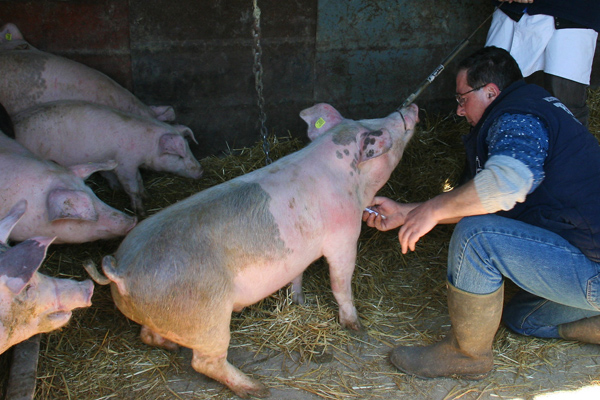
how our health is linked to that of animals, plants and the environment.
FAO Campus
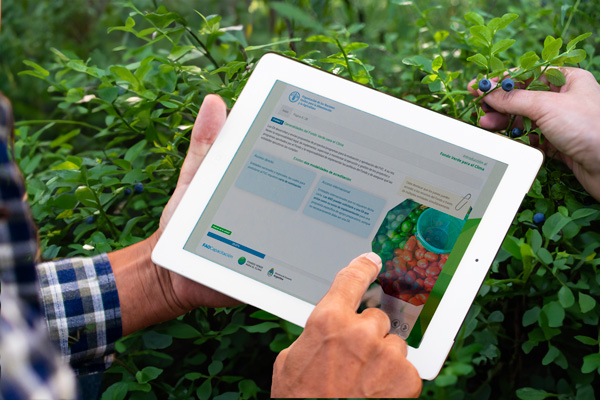
Courses of self-study, semi face-to-face and virtual with tutor.
Central American Dry Corridor
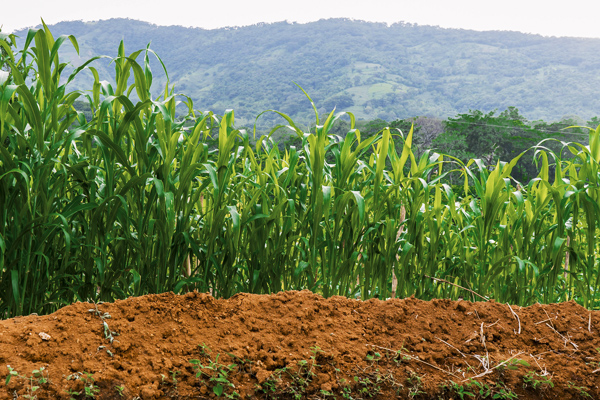
Stories and facts about this "land of opportunities" in El Salvador, Guatemala and Honduras.
Parliamentary front against hunger
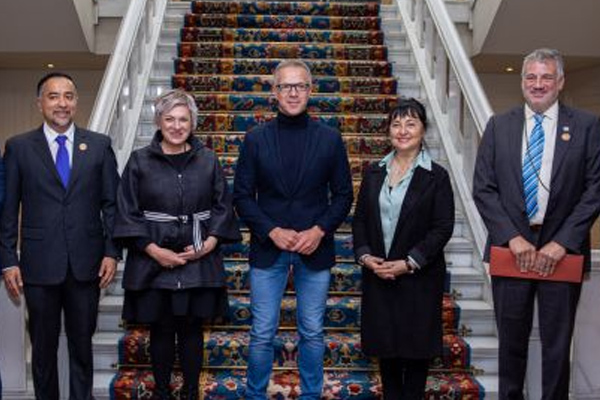
More than 400 legislators work with FAO, the Spanish Cooperation and AMEXCID
Global
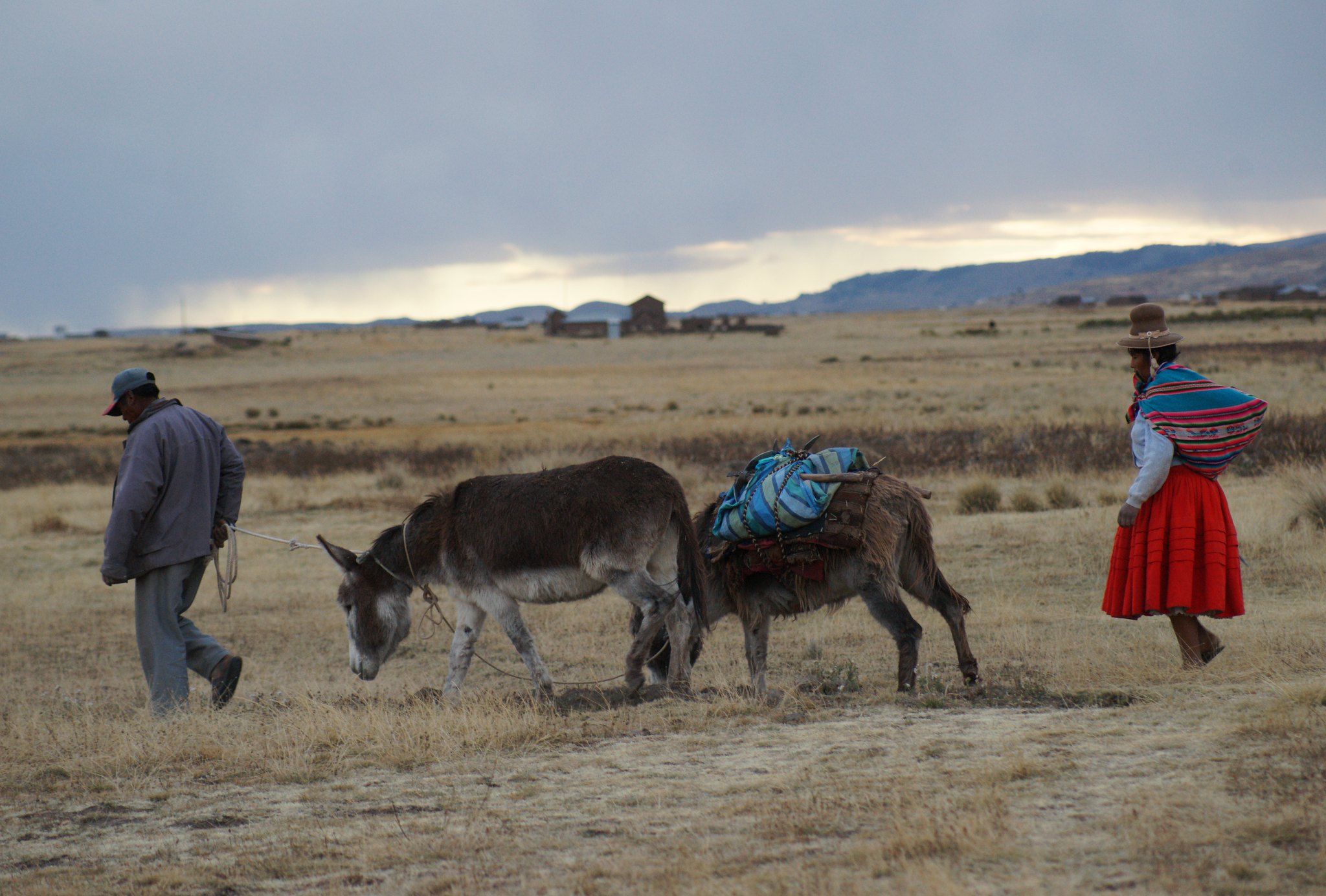
Globally Important Agricultural Heritage Systems (GIAHS)
Discover the systems in Latin America globally recognized as agricultural heritage.
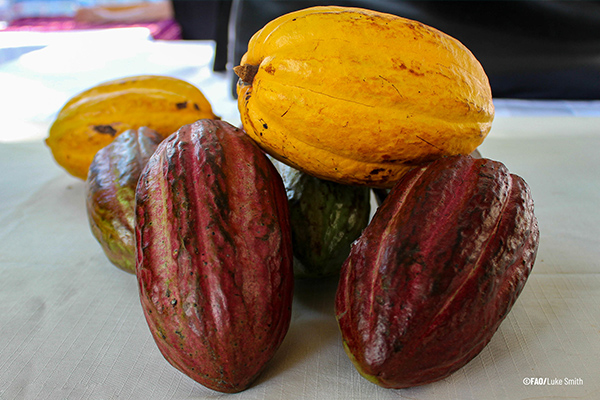
One Country One Priority Product
Global action on green development.

World Food Day
Water is life, water is food. October 16, 2023. Leave no one behind.
.png?sfvrsn=c4be63ee_6)
Gender Equality
Empowering women in food and agriculture.
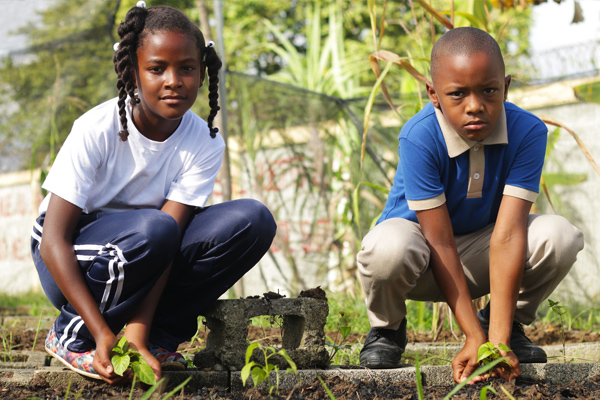
Global School Feeding Platform
Technical resources for experts and practitioners.
Data on food and agriculture
Free access to data from more than 245 countries.
Multimedia
FAO Brief – 7 July 2025
01/07/2025
In this episode of the FAO Brief: FAO scales up emergency seed distribution in Sudan; a new FAO report on the status of youth in agrifood systems; and FAO’s Conference held in Rome.