


Highlights

Why are women who feed Latin America and the Caribbean still invisible?
One in three agrifood workers in Latin America and the Caribbean is a woman. Yet, nearly half of them work without pay and hold little decision-making power. What lies behind this paradox?

2026 International Year of Rangelands and Pastoralists
Aims to foster inclusive policy dialogue and collaborative engagement to improve pastoralist livelihoods and sustainable rangeland management. Rangelands and pastoralists have great potential to contribute and deliver on the Sustainable Development Goals.
Stories
.tmb-th600x400.jpg?Culture=en&sfvrsn=4770f96e_3 "FAO Feature Story No soil, no problem")

Events
Nourishing the Future: Strong Partnerships for Food Security and Better Nutrition in Latin America and the Caribbean
Hybrid Event, 20/02/2024

©FAO
Background
The FAO Regional Office for Latin America and the Caribbean and the FAO Liaison Office to the European Union and Belgium are co-organizing an event to discuss challenges and opportunities in the EU-LAC partnership for food security and nutrition, in view of new pressing global challenges and considering the new proposed actions by the Community of Latin American and Caribbean States (CELAC) Food Security and Nutrition Plan.
The COVID-19 pandemic and its resulting economic slowdown, the subsequent conflict in Ukraine and the effects of climate change have posed critical challenges for Latin America and the Caribbean (LAC) regions in their efforts to eradicate hunger and malnutrition in all its forms. These have consequently affected global supply chains and have led to an increase in food prices and services, with 133.4 million people not able to afford a healthy diet, in 2022.
The State of Food Security and Nutrition in the World 2023 indicates that the increase in the prevalence of malnutrition and moderate, or severe food insecurity, observed in recent years has stagnated, both globally and in Latin America and the Caribbean. However, in the Caribbean region, the prevalence of moderate or severe food insecurity has increased whereas prevalence of hunger in both regions remains higher than prior to the pandemic. At the same time, no subregion is on track to achieve the stunting reduction targets set by the World Health Assembly (WHA) for 2025 and the 2030 Agenda for Sustainable Development.
With the occasion of the EU-CELAC Summit in July 2023, the EU and LAC have finally agreed to place food security and nutrition as a priority of their strategic partnership, highlighting the significance of agrifood systems’ transformation for Better Production, Better Nutrition, a Better Environment, and a Better Life for all. Thereby, contributing significantly to global efforts to achieve Sustainable Development Goal 2 -Zero Hunger. The Food and Agriculture Organization of the United Nations (FAO) is a strategic and dedicated partner in this endeavor.
Furthermore, the Buenos Aires Declaration, adopted during the VII CELAC Summit in January 2023 reaffirms the commitment of the 33 CELAC Member States to guarantee food security and nutrition, support sustainable agriculture and promote rural development. To this end, the CELAC Plan for Food Security, Nutrition and Eradication of Hunger 2023 (CELAC FSN Plan 20301), has been updated to better reflect regional specificities, implementation, and monitoring plans, for its second phase from 2024 until 2030. This update has been
coordinated by the CELAC Pro Tempore Presidency of Saint Vincent and the Grenadines with the support of FAO, ECLAC, IICA and ALADI.
The event
Building upon this momentum, the FAO Regional Office for Latin America and the Caribbean and the FAO Liaison Office to the EU and Belgium are co-organizing an event to discuss challenges and opportunities on the EU-LAC partnership for food security and nutrition, in view of new pressing global challenges and considering the CELAC FSN Plan’s proposed actions.
Target audience are stakeholders from EU institutions, EU Member States, Latin America, and Caribbean representations, including parliamentarians, and non-state actors that can enrich the dialogue by exchanging best practices, actions, and model laws.
Documents
Contact
Press and Content Officer
FAO Regional Office for Latin America and the Caribbean

Regional Representative
Mr. Rene Orellana Halkyer was appointed by the FAO Director-General, QU Dongyu, as Assistant Director-General and Regional Representative for Latin America and the Caribbean, effective 1 November 2025.
Featured video
Key Documents


Publications

How to use antibiotics effectively and responsibly in poultry production - for the sake of human and animal health
2024
The use of antibiotics and thus the threat of antimicrobial resistance (AMR) can be reduced by adopting the right husbandry practices. This publication provides practical tips to the livestock producer aiming at improving animal health and hence the reduced use of antibiotics
FAO's four priorities in Latin America and the Caribbean


In depth

80th Anniversary of the FAO
FAO celebrates 80 years of working for a more prosperous, sustainable, and equitable future for all, leaving no one behind.
-(1).jpg?sfvrsn=d38bcded_4)
38 FAO Regional Conference for Latin America and Caribbean
18 to 21 March, 2024, Georgetown, Guyana
.jpg?sfvrsn=7648e151_7)
Spain - FAO Program for Latin America and the Caribbean
Ibero-American and Caribbean Cooperation for #FoodFirst and Sustainable Development
5bf1fcc0-217c-4876-bde4-e48492bb9a59.jpg?sfvrsn=34341d2_7)
Brazil-FAO International Cooperation Program
Alliance for the promotion of sustainable development and food security in the region

Mesoamérica Hunger-Free AMEXCID-FAO
Promoting public policies and innovative solutions for food security and sustainable rural development.

We are all connected
how our health is linked to that of animals, plants and the environment.

FAO Campus
Courses of self-study, semi face-to-face and virtual with tutor.
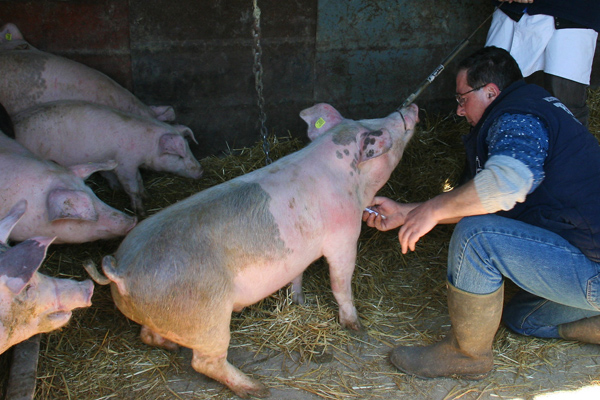
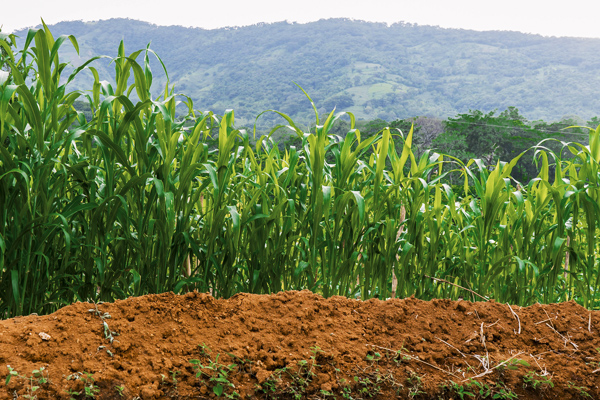
Central American Dry Corridor
Stories and facts about this "land of opportunities" in El Salvador, Guatemala and Honduras.

Parliamentary front against hunger
More than 400 legislators work with FAO, the Spanish Cooperation and AMEXCID
Global
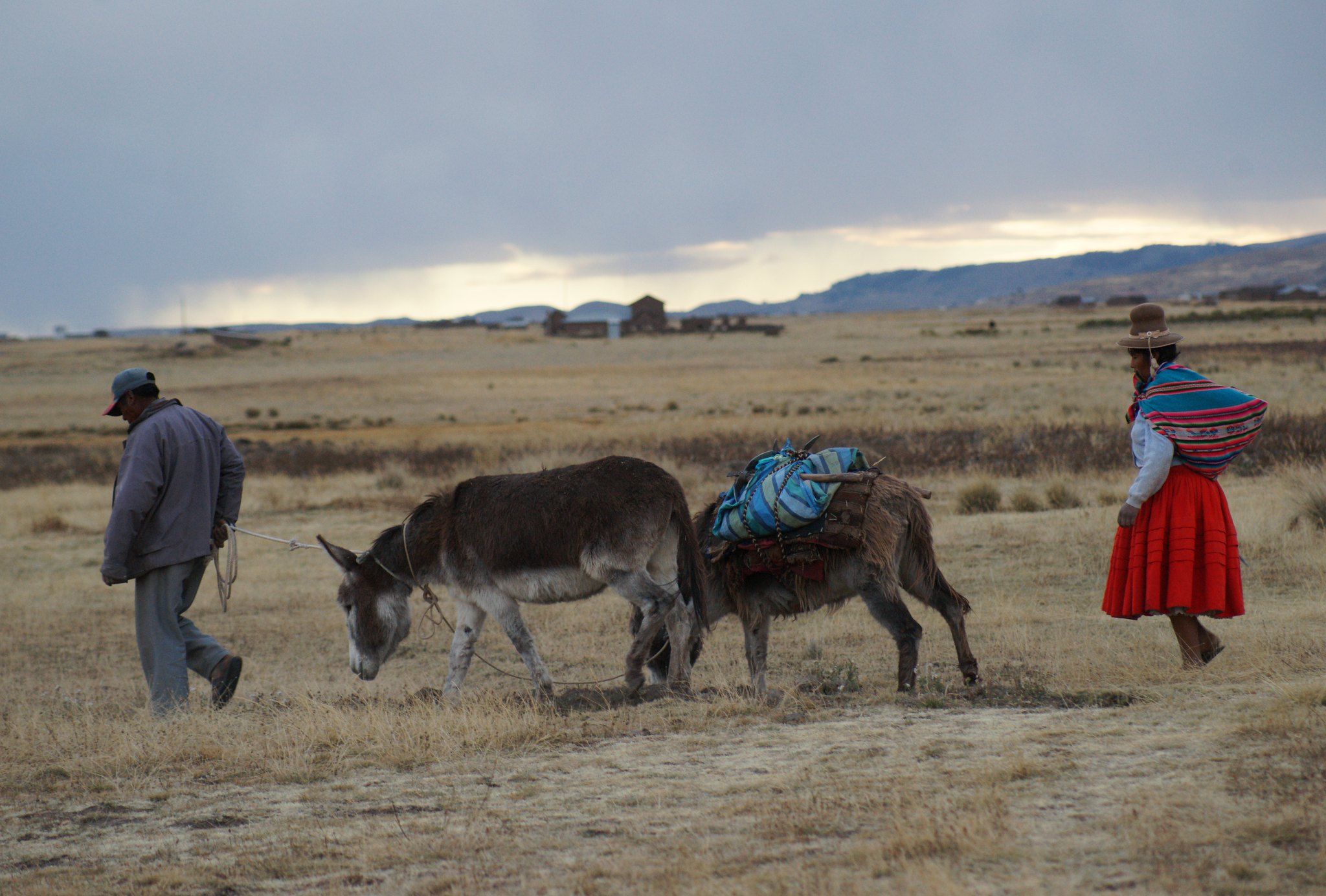
Globally Important Agricultural Heritage Systems (GIAHS)
Discover the systems in Latin America globally recognized as agricultural heritage.
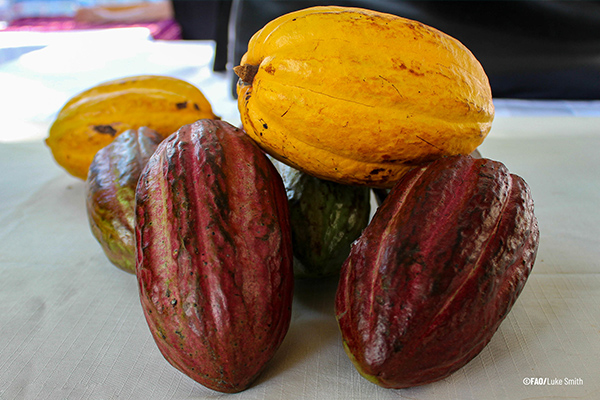
One Country One Priority Product
Global action on green development.

World Food Day
Water is life, water is food. October 16, 2023. Leave no one behind.
.png?sfvrsn=c4be63ee_6)
Gender Equality
Empowering women in food and agriculture.
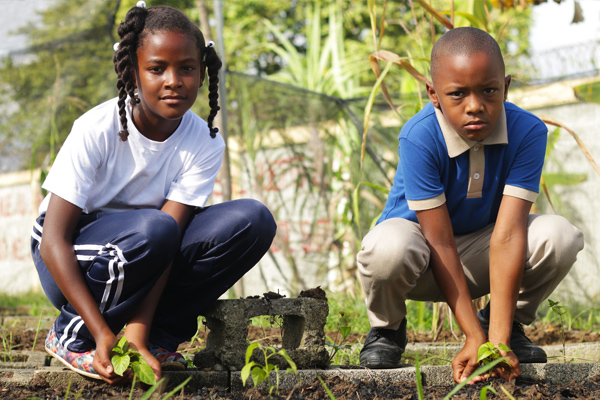
Global School Feeding Platform
Technical resources for experts and practitioners.
Data on food and agriculture
Free access to data from more than 245 countries.
Multimedia
FAO Brief – 7 July 2025
01/07/2025
In this episode of the FAO Brief: FAO scales up emergency seed distribution in Sudan; a new FAO report on the status of youth in agrifood systems; and FAO’s Conference held in Rome.