


Highlights

Why are women who feed Latin America and the Caribbean still invisible?
One in three agrifood workers in Latin America and the Caribbean is a woman. Yet, nearly half of them work without pay and hold little decision-making power. What lies behind this paradox?

2026 International Year of Rangelands and Pastoralists
Aims to foster inclusive policy dialogue and collaborative engagement to improve pastoralist livelihoods and sustainable rangeland management. Rangelands and pastoralists have great potential to contribute and deliver on the Sustainable Development Goals.
Stories
.tmb-th600x400.jpg?Culture=en&sfvrsn=7ab7dab8_2 "Rakesh Bhukal")
.tmb-th600x400.jpg?Culture=en&sfvrsn=6bc511b1_2 "FAO/Víctor Farfán")
Events
Implications of the Middle East conflict on agrifood systems
Effects on fuels, fertilizers, agrifood trade, and food security in Latin America and the Caribbean.
Hybrid Event, 10/04/2026

Live broadcast
Background
Recent developments in the Persian Gulf, beginning in February 2026, have generated pressures on global energy, fertilizer, and agrifood systems. A central element has been the disruption of trade flows through the Strait of Hormuz, a strategic maritime corridor connecting major Gulf energy producers with international markets.
Under normal conditions, this strait channels nearly 20 million barrels per day of crude oil and refined products, equivalent to approximately one quarter of global seaborne oil trade, as well as significant volumes of liquefied natural gas (LNG) and fertilizers. The observed restrictions have affected the fluidity of these exchanges, creating tensions in international markets.
As a result, increased volatility has been observed in energy prices and key agricultural inputs, with effects transmitted to agrifood systems worldwide. These impacts are reflected, among other aspects, in higher production costs, pressure on food prices, and risks to food security, particularly in countries with high import dependency.
In the case of Latin America and the Caribbean, the situation has a dual dimension. On one hand, the region plays a relevant role as a global food supplier; on the other, it faces challenges related to its dependence on imported strategic inputs and its exposure to volatility in international markets.
This context creates a scenario of uncertainty, highlighting the importance of understanding the transmission channels of these shocks and their potential implications for agrifood systems, both globally and regionally.
Justification
The current scenario underscores the importance of fostering technical exchange spaces that enhance understanding of global dynamics and their regional implications. This event aims to contribute to a well-informed, comprehensive, and action-oriented dialogue, with a particular focus on Latin America and the Caribbean.
Objectives
Analyze the implications of recent disruptions in global markets and agrifood systems, with emphasis on Latin America and the Caribbean.
Examine structural and contextual factors influencing Latin America and the Caribbean’s dependence on fossil fuels and international fertilizer markets, as well as their possible implications for agrifood systems.
Identify public policy guidelines that help mitigate risks and strengthen resilience across different time horizons for the region in the context of the Middle East conflict.
Participant Profile
Authorities and technical teams from ministries of agriculture, economy, energy, and planning of LAC countries.
Representatives of international and regional organizations.
Representatives of multilateral development banking institutions.
Academia and research centers.
Private sector linked to agrifood value chains.
Civil society organizations.
Expected Outcomes
Strengthening of a shared regional vision regarding the implications of global disruptions on agrifood systems in Latin America and the Caribbean, among key public, multilateral, and technical stakeholders.
Establishment of a high-level dialogue to facilitate the exchange of strategic perspectives on possible policy responses and priority actions in the current international context.
Identification of guidelines and priority areas that may inform decision-making processes, regional cooperation, and future initiatives aimed at strengthening the resilience of agrifood systems in the region.
Agenda
Total duration: 70 minutes
| Duration | Session | Speaker |
|---|---|---|
| 5 minutes | Opening and welcome | Mr Rene Orellana Halkyer Assistant Director-General and FAO Regional Representative for Latin America and the Caribbean |
| 15 minutes | Keynote presentation | Mr Máximo Torero Cullen FAO Chief Economist |
| 30 minutes | High-level panel Interventions (8–10 minutes per panelist) | H.E. Mario Lubetkin Minister of Foreign Affairs of Uruguay and Pro Tempore Presidency of CELAC |
| H.E. María Fernanda Rivera Minister for Agriculture, Livestock and Food of Guatemala | ||
| Mr Wendell Samuel Assistant Secretary General a.i. of the Caribbean Community (CARICOM) | ||
| Mr David Martínez Executive Secretariat of the Central American Agricultural Council (SECAC) | ||
| 12 minutes | Final panelist remarks | Conclusions (3 minutes each) |
| 3 minutes | Closing and acknowledgments | Mr Rene Orellana Halkyer Assistant Director-General and FAO Regional Representative for Latin America and the Caribbean |
Documents
Register
Regional Representative
Mr. Rene Orellana Halkyer was appointed by the FAO Director-General, QU Dongyu, as Assistant Director-General and Regional Representative for Latin America and the Caribbean, effective 1 November 2025.
Featured video
Key Documents


Publications

How to use antibiotics effectively and responsibly in poultry production - for the sake of human and animal health
2024
The use of antibiotics and thus the threat of antimicrobial resistance (AMR) can be reduced by adopting the right husbandry practices. This publication provides practical tips to the livestock producer aiming at improving animal health and hence the reduced use of antibiotics
FAO's four priorities in Latin America and the Caribbean


In depth

80th Anniversary of the FAO
FAO celebrates 80 years of working for a more prosperous, sustainable, and equitable future for all, leaving no one behind.
-(1).jpg?sfvrsn=d38bcded_4)
38 FAO Regional Conference for Latin America and Caribbean
18 to 21 March, 2024, Georgetown, Guyana
.jpg?sfvrsn=7648e151_7)
Spain - FAO Program for Latin America and the Caribbean
Ibero-American and Caribbean Cooperation for #FoodFirst and Sustainable Development
5bf1fcc0-217c-4876-bde4-e48492bb9a59.jpg?sfvrsn=34341d2_7)
Brazil-FAO International Cooperation Program
Alliance for the promotion of sustainable development and food security in the region

Mesoamérica Hunger-Free AMEXCID-FAO
Promoting public policies and innovative solutions for food security and sustainable rural development.

We are all connected
how our health is linked to that of animals, plants and the environment.

FAO Campus
Courses of self-study, semi face-to-face and virtual with tutor.
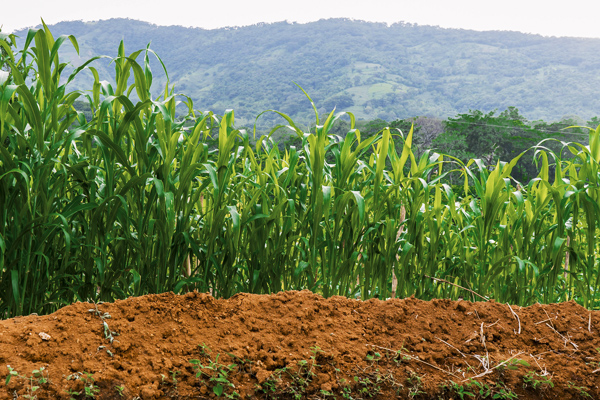
Central American Dry Corridor
Stories and facts about this "land of opportunities" in El Salvador, Guatemala and Honduras.

Parliamentary front against hunger
More than 400 legislators work with FAO, the Spanish Cooperation and AMEXCID
Global
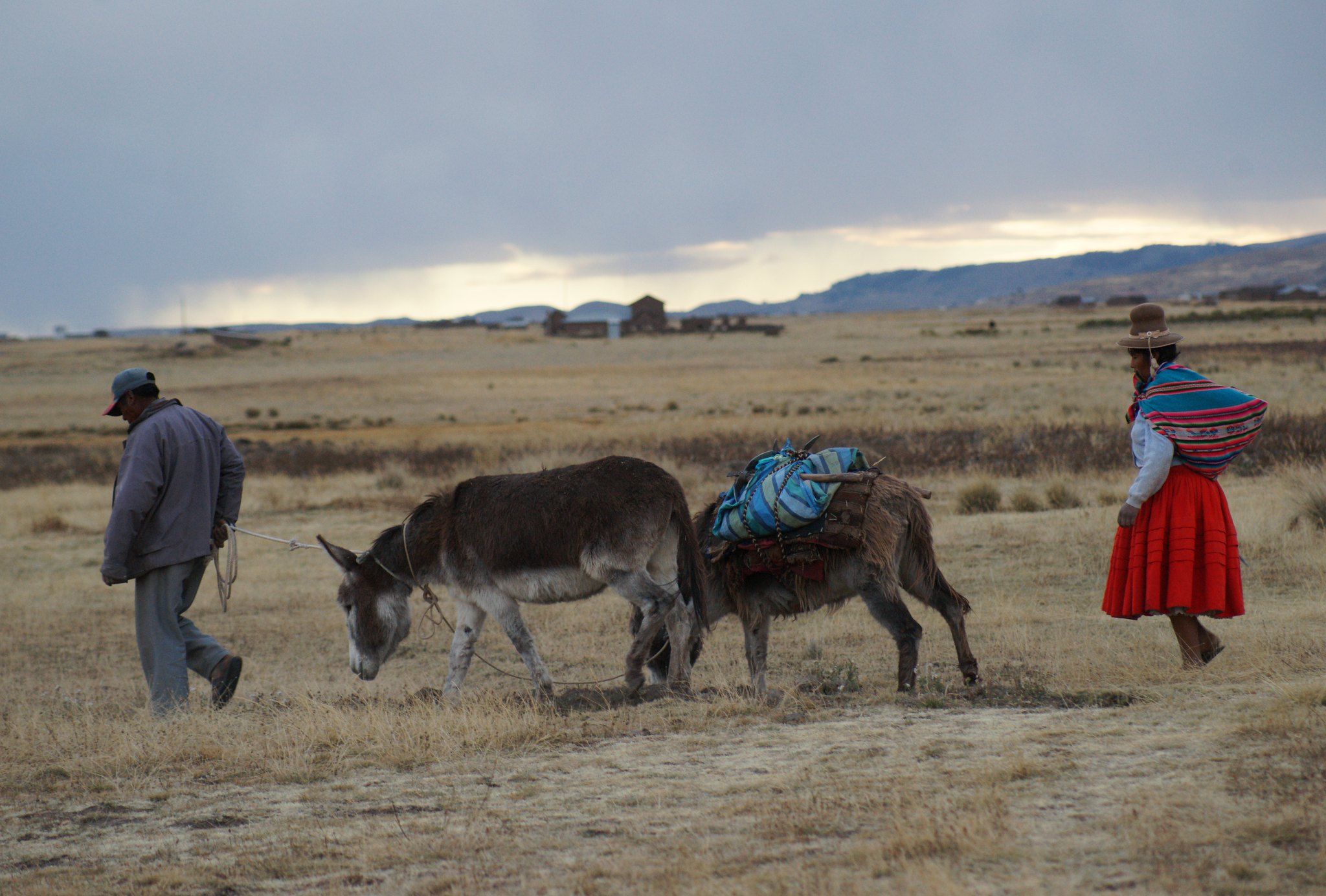
Globally Important Agricultural Heritage Systems (GIAHS)
Discover the systems in Latin America globally recognized as agricultural heritage.
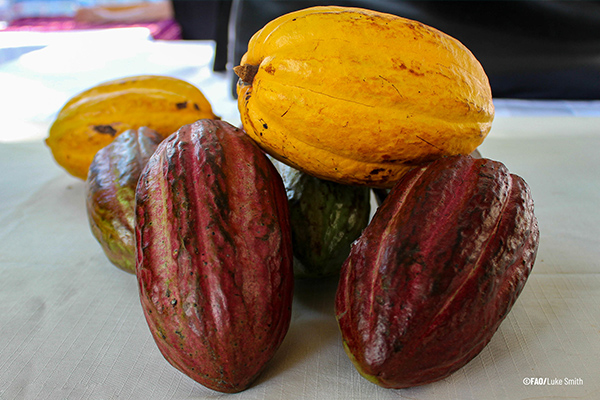
One Country One Priority Product
Global action on green development.

World Food Day
Water is life, water is food. October 16, 2023. Leave no one behind.
.png?sfvrsn=c4be63ee_6)
Gender Equality
Empowering women in food and agriculture.
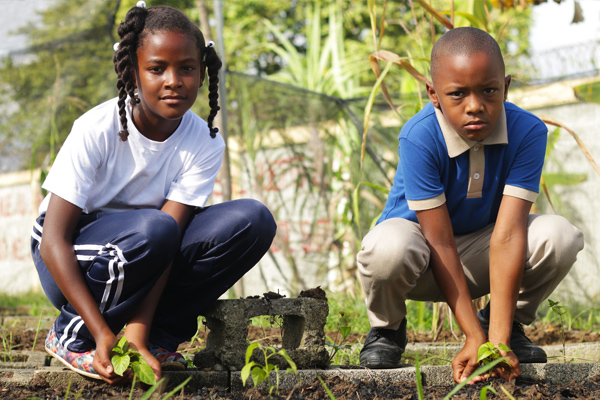
Global School Feeding Platform
Technical resources for experts and practitioners.
Data on food and agriculture
Free access to data from more than 245 countries.
Multimedia
FAO Brief – 7 July 2025
01/07/2025
In this episode of the FAO Brief: FAO scales up emergency seed distribution in Sudan; a new FAO report on the status of youth in agrifood systems; and FAO’s Conference held in Rome.