


Highlights

Why are women who feed Latin America and the Caribbean still invisible?
One in three agrifood workers in Latin America and the Caribbean is a woman. Yet, nearly half of them work without pay and hold little decision-making power. What lies behind this paradox?

2026 International Year of Rangelands and Pastoralists
Aims to foster inclusive policy dialogue and collaborative engagement to improve pastoralist livelihoods and sustainable rangeland management. Rangelands and pastoralists have great potential to contribute and deliver on the Sustainable Development Goals.
Stories
.tmb-th600x400.jpg?Culture=en&sfvrsn=4770f96e_3 "FAO Feature Story No soil, no problem")

Events
World Pulses Day 2025
Pulses: Bringing diversity to agrifood systems
Hybrid Event, 10/02/2025
.jpg?sfvrsn=90f0e0a4_5 "World Pulses Day 2025")
Live broadcast
Background
Pulses bring diversity to our agrifood systems in multiple ways: on the farm, in our diets and through value-added products. They boost biodiversity on farms by enriching cropping systems with more species. With more than 100 types of pulses available, farmers have many options for crop rotations and/or intercropping. Consumers can enjoy pulses as part of healthy diets. They are an affordable, protein-rich food source (19–25 percent protein), packed with essential minerals, high in fibre, and low in fat. These edible seeds are highly versatile and can be processed into different products, such as flour for making bread and pasta, or even protein drinks. That means they provide a range of income opportunities.
Join the global celebration on Monday 10 February to find out how pulses can contribute to the sustainability and diversity of agrifood systems.
AGENDA
Opening of the World Pulses Day exhibition | 10.00 – 11.00 (Peru time, GMT -5)
- 10.00-10.05 - World Pulses Day video
- 10.05-10.10 - Opening remarks by His Excellency Ángel Manuel Manero Campos, Minister for Agricultural Development and Irrigation of the Republic of Peru
- 10.10-10.15 - Recognition of pulses producers
- 10.15-10.20 - Opening remarks by Mr QU Dongyu, FAO Director-General (VIDEO MESSAGE)
- 10.20-10.30 - Cultural presentation by children from “La Revolución” NGO
- 10.30-10.35 - Remarks by Her Excellency Carla Barroso Carneiro, Ambassador and Permanent Representative of the Federative Republic of Brazil to FAO (TBC)
- 10.35-10.40 - Remarks by Mr Yurdi Yasmi, Director of the FAO Plant Production and Protection Division
- 10.40-10.45 - Traditional Peruvian dances
- 10.45-11.00 - Tour of exhibition and stands:
- Pulses producers from different regions of Peru
- Pulses processing companies: Danper, Cosecha Andina, Costeño
- Universities and science institutions focused on research of pulses:
- National Agrarian University La Molina (UNALM)
- Saint Aloysius Gonzaga National University (UNICA)
- National Institute of Agricultural Innovation (INIA)
- Presentation of tarwi dishes by Chef Adolfo Perret
- Interpretation: English and Spanish
Interactive technical dialogue | 12.00 – 13.00 (Peru time, GMT -5)
- 12.00-12.05 - Introduction by Mr Iván Ramos Pastor, Vice Minister for Agricultural Development and Irrigation of the Republic of Peru
- 12.05-13.00 - Dialogue on how pulses contribute to increasing the diversity and sustainability of agrifood systems.
Panellists
- Ms Carol Abanto, Corporate Director for Research and Development, Danper
- Mr Juan José González, Research Coordinator, Alliance Bioversity & CIAT
- Ms Cecilia Baginsky, Associate Professor, Faculty of Agronomic Sciences, University of Chile
- Mr Julio Francisco Castillo, Entrepreneur and Founder of Allpa Cuna Foundation
Moderator: Mr Teodardo Calles, FAO Agricultural Officer
12:55 -13:00 Closing remarks by Ms Irene Medina Cruzado, Director, General Directorate of Agricultural Development and Agroecology, MIDAGRI
Interpretation: English and Spanish

Regional Representative
Mr. Rene Orellana Halkyer was appointed by the FAO Director-General, QU Dongyu, as Assistant Director-General and Regional Representative for Latin America and the Caribbean, effective 1 November 2025.
Featured video
Key Documents


Publications

How to use antibiotics effectively and responsibly in poultry production - for the sake of human and animal health
2024
The use of antibiotics and thus the threat of antimicrobial resistance (AMR) can be reduced by adopting the right husbandry practices. This publication provides practical tips to the livestock producer aiming at improving animal health and hence the reduced use of antibiotics
FAO's four priorities in Latin America and the Caribbean


In depth

80th Anniversary of the FAO
FAO celebrates 80 years of working for a more prosperous, sustainable, and equitable future for all, leaving no one behind.
-(1).jpg?sfvrsn=d38bcded_4)
38 FAO Regional Conference for Latin America and Caribbean
18 to 21 March, 2024, Georgetown, Guyana
.jpg?sfvrsn=7648e151_7)
Spain - FAO Program for Latin America and the Caribbean
Ibero-American and Caribbean Cooperation for #FoodFirst and Sustainable Development
5bf1fcc0-217c-4876-bde4-e48492bb9a59.jpg?sfvrsn=34341d2_7)
Brazil-FAO International Cooperation Program
Alliance for the promotion of sustainable development and food security in the region

Mesoamérica Hunger-Free AMEXCID-FAO
Promoting public policies and innovative solutions for food security and sustainable rural development.

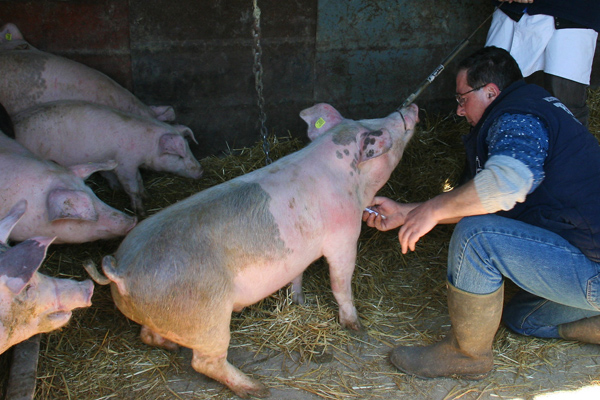
We are all connected
how our health is linked to that of animals, plants and the environment.
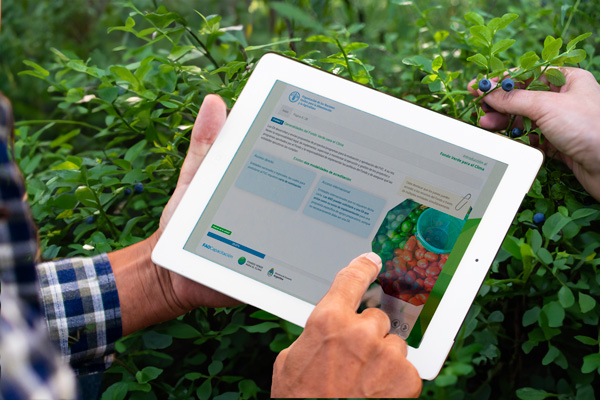
FAO Campus
Courses of self-study, semi face-to-face and virtual with tutor.
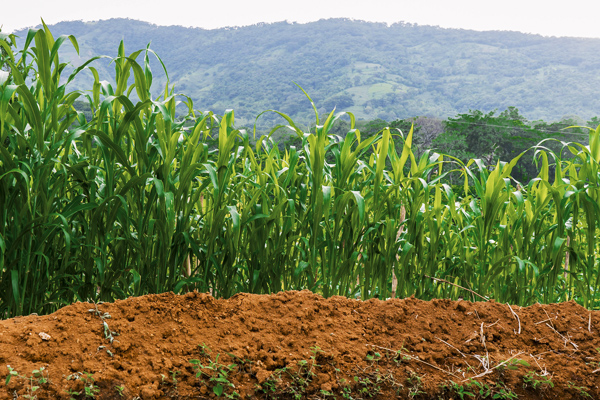
Central American Dry Corridor
Stories and facts about this "land of opportunities" in El Salvador, Guatemala and Honduras.
Parliamentary front against hunger
More than 400 legislators work with FAO, the Spanish Cooperation and AMEXCID
Global
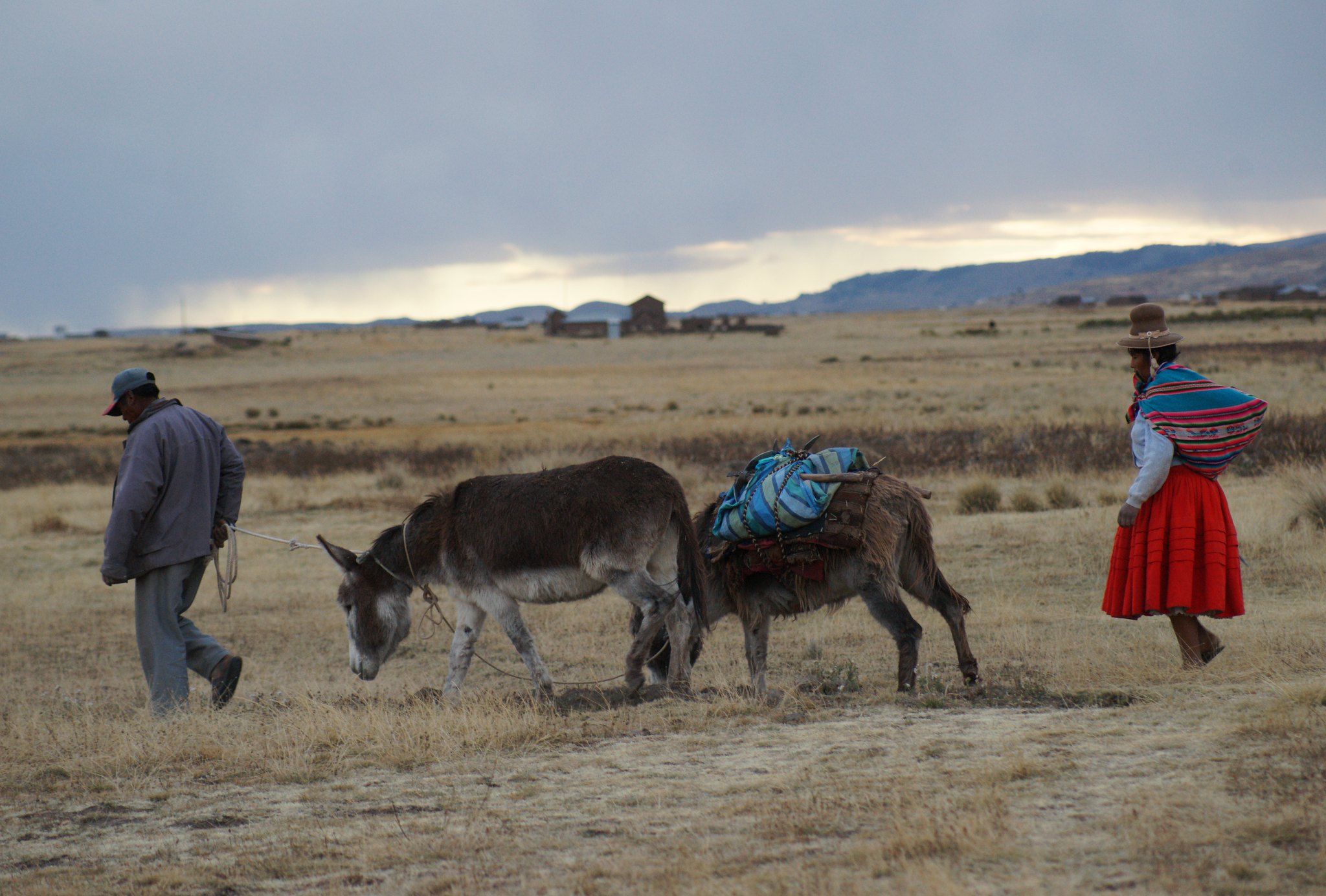
Globally Important Agricultural Heritage Systems (GIAHS)
Discover the systems in Latin America globally recognized as agricultural heritage.
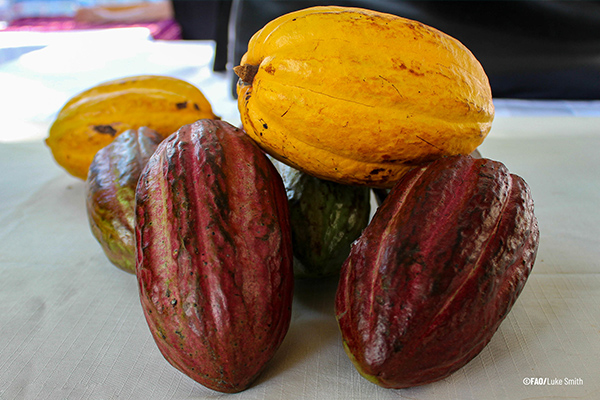
One Country One Priority Product
Global action on green development.

World Food Day
Water is life, water is food. October 16, 2023. Leave no one behind.
.png?sfvrsn=c4be63ee_6)
Gender Equality
Empowering women in food and agriculture.
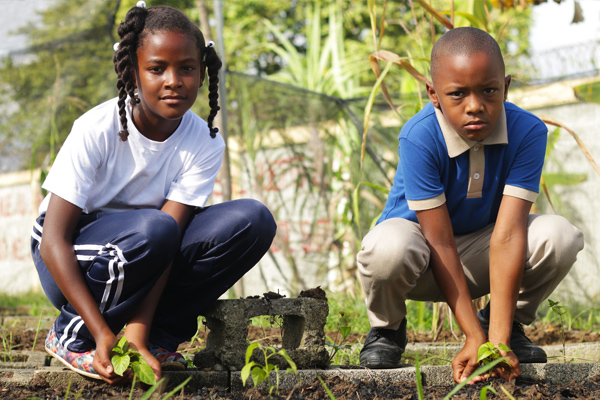
Global School Feeding Platform
Technical resources for experts and practitioners.
Data on food and agriculture
Free access to data from more than 245 countries.
Multimedia
FAO Brief – 7 July 2025
01/07/2025
In this episode of the FAO Brief: FAO scales up emergency seed distribution in Sudan; a new FAO report on the status of youth in agrifood systems; and FAO’s Conference held in Rome.