


Highlights
.jpg?sfvrsn=5f5fb97a_5)
2026 the International Year of the Woman Farmer
The Year will spotlight the essential roles women play across agrifood systems, from production to trade, while often going unrecognized. Women farmers are central to food security, nutrition and economic resilience.

2026 International Year of Rangelands and Pastoralists
Aims to foster inclusive policy dialogue and collaborative engagement to improve pastoralist livelihoods and sustainable rangeland management. Rangelands and pastoralists have great potential to contribute and deliver on the Sustainable Development Goals.
Stories
.tmb-th600x400.jpg?Culture=en&sfvrsn=7ab7dab8_2 "Rakesh Bhukal")
.tmb-th600x400.jpg?Culture=en&sfvrsn=6bc511b1_2 "FAO/Víctor Farfán")
Events
Strengthening rural livelihoods and environmental conservation through social protection
Insights from Latin America and the Caribbean for inclusive climate action
18/03/2025 - 19/03/2025
.jpg?sfvrsn=a7ecba66_5 "Strengthening rural livelihoods and environmental conservation through social protection")
Global Context | Building bridges between the Global Alliance Against Hunger and Poverty and COP30
The Global Alliance Against Hunger and Poverty launched by the Brazilian G20 presidency in November 2024, aims to support and accelerate efforts to eradicate hunger and poverty (SDGs 1 and 2), reduce inequalities (SDG 10), reinvigorate global partnerships for sustainable development (SDG 17), and achieve other interlinked goals of the 2030 Agenda to promote inclusive and sustainable transitions. At the heart of the Alliance is the Policy Basket, a menu of rigorously evaluated policy instruments and programs that can be tailored to specific national or subnational contexts.
At present, the Policy Basket has limited examples of instruments and programs for environmental conservation and social protection, although the LAC region has a wealth of experience with cross-sectoral and multidisciplinary policy instruments that can enrich and technicalize this global debate.
In an effort to link the Global Alliance Against Hunger and Poverty with the objectives of the 30th Conference of the Parties (COP 30) to the United Nations Framework Convention on Climate Change (UNFCCC), to be held in Rio de Janeiro, Brazil, from November 10th to 21st, this international seminar aims to highlight experiences in environmental conservation, livelihoods and social protection in Latin America and the Caribbean.
The event aims to feed and contribute to the Alliance’s Policy Basket, guided by the following questions:
- What are the policy instruments used in Latin America and the Caribbean to contribute to environmental conservation and climate change mitigation, and to reduce hunger and poverty?
- What are the experiences, opportunities, challenges and lessons learned in the region to promote coherence between these agendas?
Recognizing the multidimensionality of this agenda and the need for institutional and policy integration, the seminar will seek to foster exchanges among key actors to discuss and promote cooperation at the governmental level, but also with civil society, academia and multilateral organizations.
It will build on the experience of the Brazilian Bolsa Verde program, led by the Ministry of Environment and Climate Change, a national program that promotes sustainable livelihoods and environmental conservation in the Brazilian Amazon, in coordination with the Ministry of Social Development and the Ministry of Agrarian Development.
Regional Context | Climate Change in Latin America and the Caribbean: Redefining the Social, Economic and Environmental Risk Structure of the Region
Latin America and the Caribbean (LAC) faces a triple challenge: continuing to eradicate hunger, poverty and inequality; strengthening livelihoods to contribute to climate change mitigation and adaptation; and conserving ecosystems and biodiversity.
The region is severely affected by the effects of climate change, despite being responsible for only 10% of global greenhouse gas emissions. These impacts include a significant increase in temperatures since 1990, anomalies in precipitation patterns, and increased frequency of floods, droughts, and forest fires. In addition, Latin America and the Caribbean is not only the world's most degraded and biodiversity-poor region, but it is estimated that climate change could push 5.8 million more people into poverty in Latin America and the Caribbean by 2030 if no action is taken.
Currently, 172 million people in LAC do not have enough income to meet their basic needs, including 66 million who cannot afford a basic food basket. Poverty is also higher in rural areas (39.1%) than in urban areas (24.6%). Social, economic and climatic vulnerabilities overlap in the region. Millions of poor rural households in Latin America and the Caribbean live in areas that contain high-value ecosystems (such as forests or mangroves) that are essential to their material and cultural well-being and livelihoods.
In addition, agri-food systems remain critical to incomes and livelihoods in the region. However, high levels of informality in these sectors, specific barriers to access social protection, and the disproportionate dependence of livelihoods on favorable climatic conditions and local natural capital undermine the adaptive capacity of rural populations. Similarly, the lack of stable income and incentives for conservation can lead not only to negative coping strategies, such as the sale of household assets, but also to maladaptive practices, including overexploitation or pollution of natural resources.
Seminar Objectives
- Identify policy instruments used in Latin America and the Caribbean that seek to contribute simultaneously to environmental protection and climate change mitigation, while reducing hunger and poverty levels.
- Systematize relevant experiences, opportunities, challenges and lessons learned to feed into the policy basket of the Global Alliance Against Hunger and Poverty.
- Support the preparation of a technical position of the countries of the region in preparation for COP 30 on access to climate finance and the eradication of hunger and poverty.
Documents
Agenda


Contact
Communications Specialist
FAO Regional Office for Latin America and the Caribbean

Regional Representative
Mr. Rene Orellana Halkyer was appointed by the FAO Director-General, QU Dongyu, as Assistant Director-General and Regional Representative for Latin America and the Caribbean, effective 1 November 2025.
Featured video
Key Documents


Publications

How to use antibiotics effectively and responsibly in poultry production - for the sake of human and animal health
2024
The use of antibiotics and thus the threat of antimicrobial resistance (AMR) can be reduced by adopting the right husbandry practices. This publication provides practical tips to the livestock producer aiming at improving animal health and hence the reduced use of antibiotics
FAO's four priorities in Latin America and the Caribbean


In depth

80th Anniversary of the FAO
FAO celebrates 80 years of working for a more prosperous, sustainable, and equitable future for all, leaving no one behind.
-(1).jpg?sfvrsn=d38bcded_4)
38 FAO Regional Conference for Latin America and Caribbean
18 to 21 March, 2024, Georgetown, Guyana
.jpg?sfvrsn=7648e151_7)
Spain - FAO Program for Latin America and the Caribbean
Ibero-American and Caribbean Cooperation for #FoodFirst and Sustainable Development
5bf1fcc0-217c-4876-bde4-e48492bb9a59.jpg?sfvrsn=34341d2_7)
Brazil-FAO International Cooperation Program
Alliance for the promotion of sustainable development and food security in the region

Mesoamérica Hunger-Free AMEXCID-FAO
Promoting public policies and innovative solutions for food security and sustainable rural development.

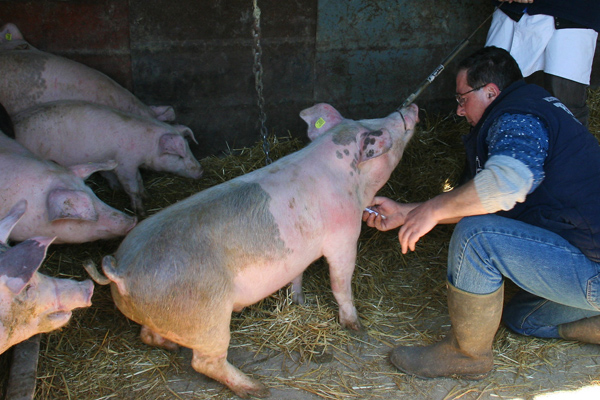
We are all connected
how our health is linked to that of animals, plants and the environment.
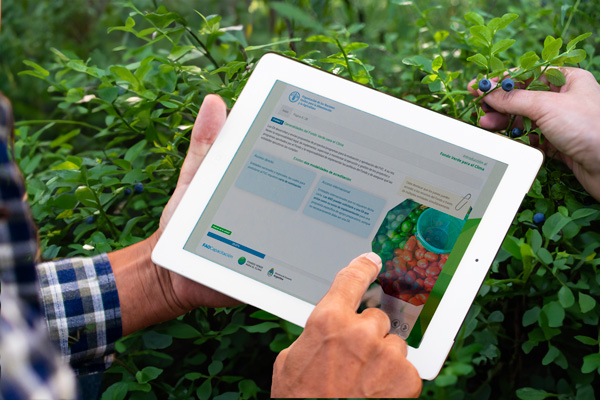
FAO Campus
Courses of self-study, semi face-to-face and virtual with tutor.
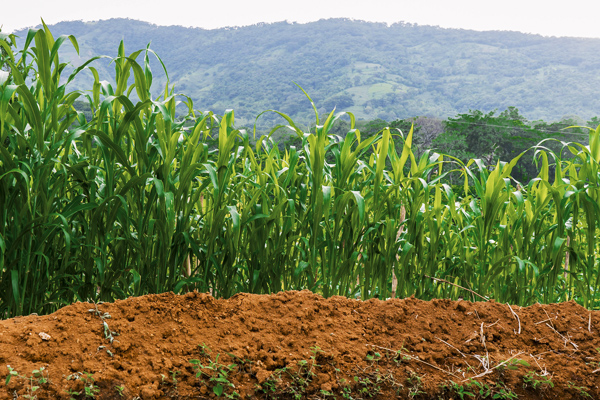
Central American Dry Corridor
Stories and facts about this "land of opportunities" in El Salvador, Guatemala and Honduras.

Parliamentary front against hunger
More than 400 legislators work with FAO, the Spanish Cooperation and AMEXCID
Global
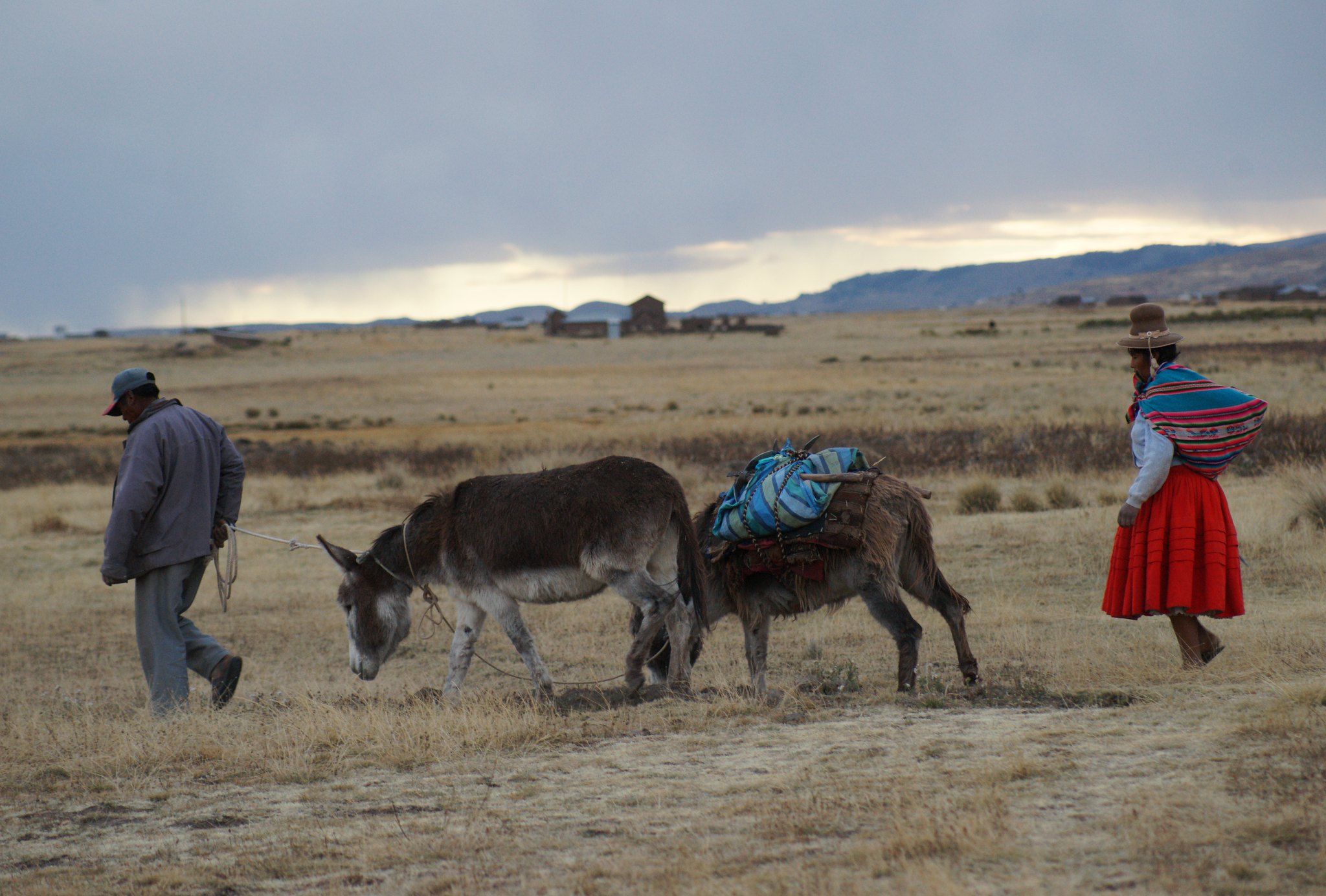
Globally Important Agricultural Heritage Systems (GIAHS)
Discover the systems in Latin America globally recognized as agricultural heritage.
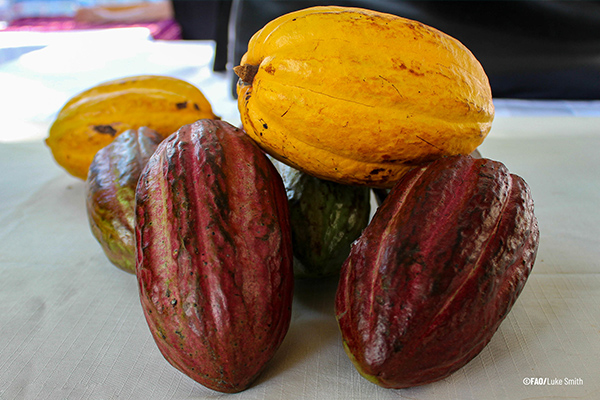
One Country One Priority Product
Global action on green development.
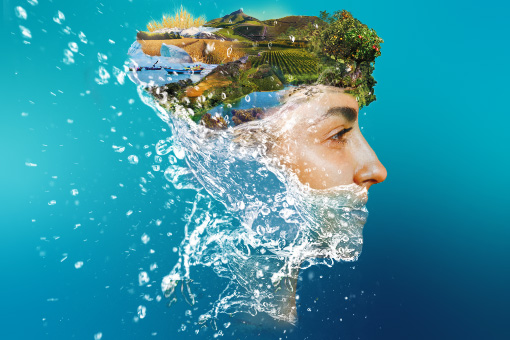
World Food Day
Water is life, water is food. October 16, 2023. Leave no one behind.
.png?sfvrsn=c4be63ee_6)
Gender Equality
Empowering women in food and agriculture.
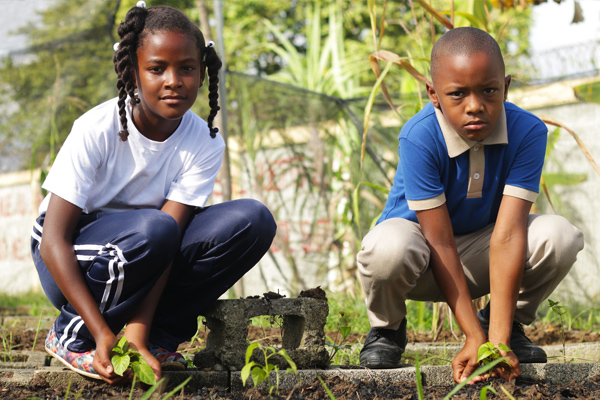
Global School Feeding Platform
Technical resources for experts and practitioners.
Data on food and agriculture
Free access to data from more than 245 countries.
Multimedia
FAO Brief – 7 July 2025
01/07/2025
In this episode of the FAO Brief: FAO scales up emergency seed distribution in Sudan; a new FAO report on the status of youth in agrifood systems; and FAO’s Conference held in Rome.