


Highlights
.jpg?sfvrsn=5f5fb97a_5)
2026 the International Year of the Woman Farmer
The Year will spotlight the essential roles women play across agrifood systems, from production to trade, while often going unrecognized. Women farmers are central to food security, nutrition and economic resilience.

2026 International Year of Rangelands and Pastoralists
Aims to foster inclusive policy dialogue and collaborative engagement to improve pastoralist livelihoods and sustainable rangeland management. Rangelands and pastoralists have great potential to contribute and deliver on the Sustainable Development Goals.
Stories
.tmb-th600x400.jpg?Culture=en&sfvrsn=7ab7dab8_2 "Rakesh Bhukal")
.tmb-th600x400.jpg?Culture=en&sfvrsn=6bc511b1_2 "FAO/Víctor Farfán")
Events
Building Bridges between Social Protection and Productive Inclusion Policies
Hybrid Event, 09/07/2021

The UN Secretary General, António Guterres, has convened a Food Systems Summit in 2021 as part of the Decade of Action to Deliver the Sustainable Development Goals (SDGs). To prepare for the Summit, national, regional and global dialogues are being organized to hear the voices of all parties involved in the functioning of food systems, whether they come from the world of business, politics, academia or, of course, agriculture and the rural area.
The International Fund for Agricultural Development (IFAD), the Food and Agriculture Organization of the United Nations (FAO), the and the World Food Program (WFP) have joined forces to significantly contribute to the dialogues prior to the summit that are taking place in Latin America and the Caribbean. The three Rome-based agencies are hosting three high-level webinars in May and June on key issues related to the region's food systems.
For years, IFAD has fostetred research on the relationship between social protection and productive inclusion programs in rural areas and financed projects aimed at strengthening their links. A series of studies in strategic countries were commissioned to the Universidad de los Andes and FAO. These institutions worked in alliance with important think tanks and development organizations such as the Institute of Peruvian Studies (IEP), the Latin American Centre for Rural Development (RIMISP), the University of California at Riverside (UC-Riverside), the University of California in Davis (UC-Davis), the Salvadoran Foundation for Economic and Social Development (FUSADES) and Sustainable Development and Food, AC.
The above research showed that coordination between both types of programs create the most effective conditions for poor and at-risk rural households to sustainably escape the poverty trap and break its intergenerational transmission, The research uncovers the alternative synergistic effects between these types of public policies and the institutional context for their realization
Given the depth of the crisis hitting the region, the results of this research come to light in a dramatic context that only increases its relevance. Inspired by the conclusions of this work, the high-level workshop will discuss the role of social protection and rural development interventions, and possible synergies between them, in the current socio-economic panorama of Latin America, dominated by the impact of the Covid-19 pandemic.
Objectives and content of the Webinar
Although the beginning of the 21st century was a favourable period for Latin America and the Caribbean, with sustained economic growth that translated into an important reduction in poverty rates, the trend reversed since 2015 as the percentage of people living in poverty started to increase again, reaching 30.1% of the population (185 million people) in 2018.
The impact of COVID-19 has made these numbers worse. According to the ECLAC’s report Panorama Social de America Latina 2020, in 2020 the percentage of people living in poverty went up from 30.5% to 33.7%, and that of people living in extreme poverty from 11.3% to 12.5%. This means that, at the end of 2020, there were 209 million people living in poverty in the region.
Although social protection programs have played a key role in mitigating the impact of the crisis, the great increase in poverty demands to go beyond and look for interventions that allow to escape poverty in a sustainable manner. Similarly, the coronavirus has exposed the vulnerability of food systems to shocks (according to the International for Food Policy Research Institute –IFPRI–, the crisis has deprived 11 million people of access to adequate and nutritious food), making clear the need to promote a sustainable and equitable rural transformation.
In this context, a very relevant policy decision is how to integrate reforms in social protection programs with agricultural and rural interventions to benefit family farmers and improve their resilience to external shocks.
Despite the fact that the crisis has impacted urban households more than rural ones, poverty and food insecurity continue to affect the latter to a much greater extent than the former. Rural poverty rates double those of cities and governments’ wealth redistribution programs reach the countryside with more difficulty. The invisible poor in isolated areas have little access to social protection measures and other resources and services available to the urban population. These deficiencies particularly affect the most vulnerable groups: women, youth, indigenous peoples and people of African descent.
From an employment recovery perspective, small and medium rural enterprises, including agricultural ones, are the ones that employ unskilled workers –those most affected by the pandemic– most intensively. Family farming is also the source of most of the food we consume in the region. In some countries, the percentage reaches 80%. Without their decisive contribution, it is not possible to guarantee the food security of our societies.
In this sense, establishing effective programmes that improve their social protection and productive inclusion available to the vulnerable rural population in Latin America and the Caribbean will not only benefit them, but also the entire population of the region. The design of social and productive inclusion policies that adequately interact with each other will be key to achieving some fundamental development objectives in this historical moment of crisis and transition:
- Overcoming the impact of COVID-19 in Latin America and the Caribbean.
- Reform Latin American and Caribbean food systems to achieve food security.
- Meet the SDGs, especially the first two – perhaps the basis of all the other s– : eradicate hunger and extreme poverty from the planet.
Our goal is for the event to bring together high-level international experts and political representatives to discuss possible reforms and synergies between social protection and rural development programs in the region. From this discussion we hope to obtain clues and possible solutions that allow us to build better local, national and regional food systems.
The future of our Latin American and Caribbean societies depends on it.
Documents
Related links
- Innovative alliances between local agriculture and school feeding programs
- IV Foro de los Países de América Latina y el Caribe sobre el Desarrollo (spanish only)
- Food Systems Summit 2021 (spanish only)
- Food and Nutritional Security Platform CELAC 2025
- FAO Regional Initiative on Sustainable Food Systems to Provide Healthy Diets for All
- COVID-19 and Food Systems in Latin America and the Caribbean
Resources
- Vía de Acción 1: Survey; Discussion starter paper; Public forum event 25.02.21; Preliminary scientific group document.
- Vía de Acción 2: Survey ; Discussion starter paper; Public forum event 03.02.21; Preliminary scientific group document.
- Vía de Acción 3: Survey ; Discussion starter paper; Public forum event 26.02.21. Preliminary scientific group document.
- Vía de Acción 4: Survey ; Discussion starter paper; Public forum event 01.02.21. Preliminary scientific group document.
- Vía de Acción 5: Survey ; Discussion starter paper; Public forum event 04.02.21. Preliminary scientific group document.
Relationship with Sustainable development Goals


Contact
María Elena Alvarez
Comunicadora Iniciativa Regional Sistemas alimentarios sostenibles a fin de proporcionar dietas saludables para todos

Regional Representative
Mr. Rene Orellana Halkyer was appointed by the FAO Director-General, QU Dongyu, as Assistant Director-General and Regional Representative for Latin America and the Caribbean, effective 1 November 2025.
Featured video
Key Documents


Publications

How to use antibiotics effectively and responsibly in poultry production - for the sake of human and animal health
2024
The use of antibiotics and thus the threat of antimicrobial resistance (AMR) can be reduced by adopting the right husbandry practices. This publication provides practical tips to the livestock producer aiming at improving animal health and hence the reduced use of antibiotics
FAO's four priorities in Latin America and the Caribbean


In depth

80th Anniversary of the FAO
FAO celebrates 80 years of working for a more prosperous, sustainable, and equitable future for all, leaving no one behind.
-(1).jpg?sfvrsn=d38bcded_4)
38 FAO Regional Conference for Latin America and Caribbean
18 to 21 March, 2024, Georgetown, Guyana
.jpg?sfvrsn=7648e151_7)
Spain - FAO Program for Latin America and the Caribbean
Ibero-American and Caribbean Cooperation for #FoodFirst and Sustainable Development
5bf1fcc0-217c-4876-bde4-e48492bb9a59.jpg?sfvrsn=34341d2_7)
Brazil-FAO International Cooperation Program
Alliance for the promotion of sustainable development and food security in the region

Mesoamérica Hunger-Free AMEXCID-FAO
Promoting public policies and innovative solutions for food security and sustainable rural development.

We are all connected
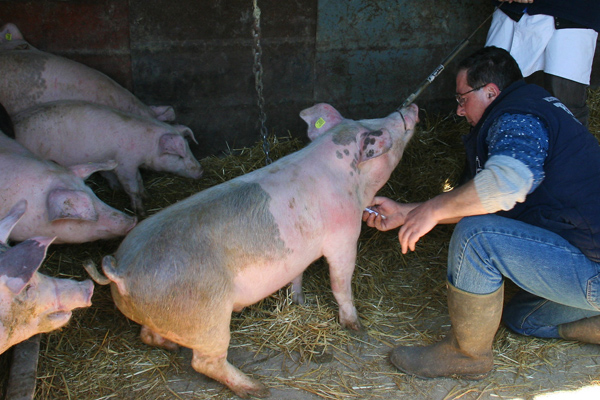
how our health is linked to that of animals, plants and the environment.
FAO Campus
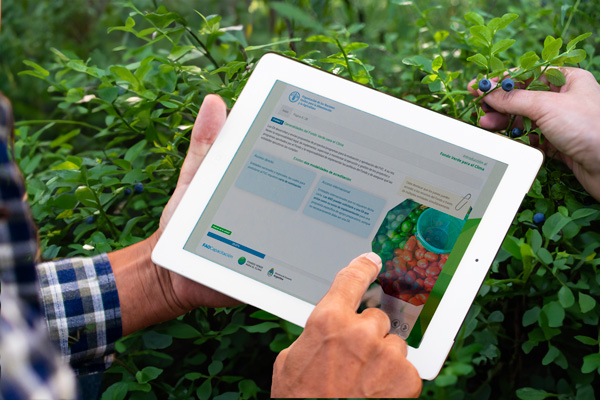
Courses of self-study, semi face-to-face and virtual with tutor.
Central American Dry Corridor
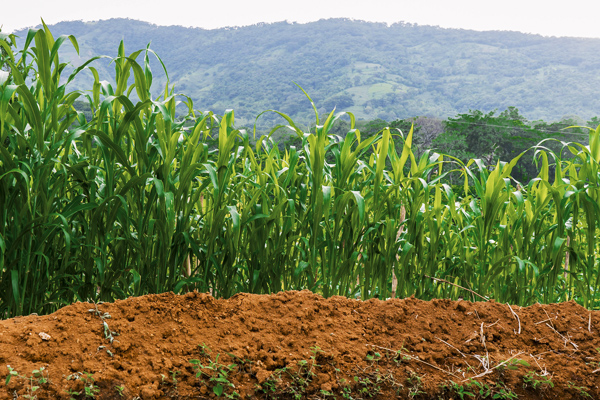
Stories and facts about this "land of opportunities" in El Salvador, Guatemala and Honduras.
Parliamentary front against hunger
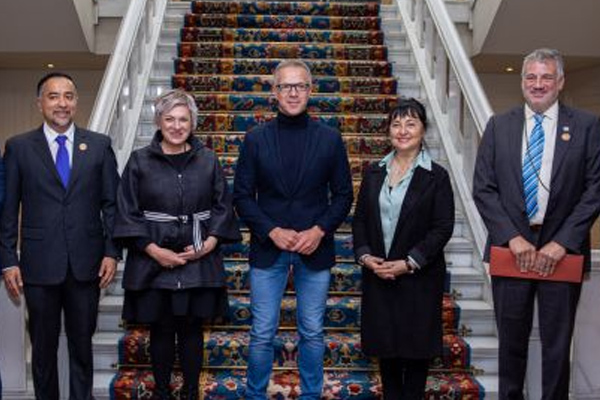
More than 400 legislators work with FAO, the Spanish Cooperation and AMEXCID
Global
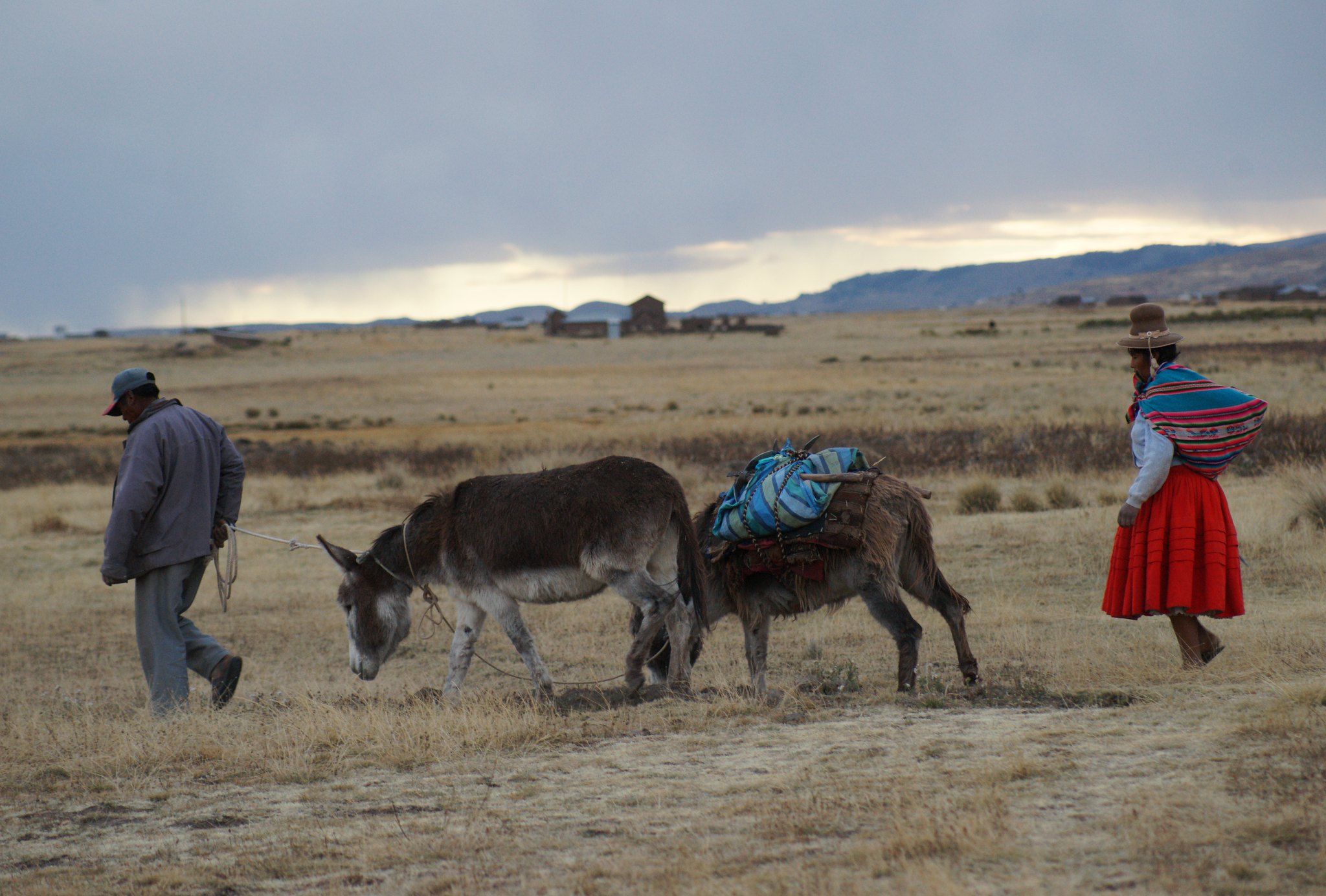
Globally Important Agricultural Heritage Systems (GIAHS)
Discover the systems in Latin America globally recognized as agricultural heritage.
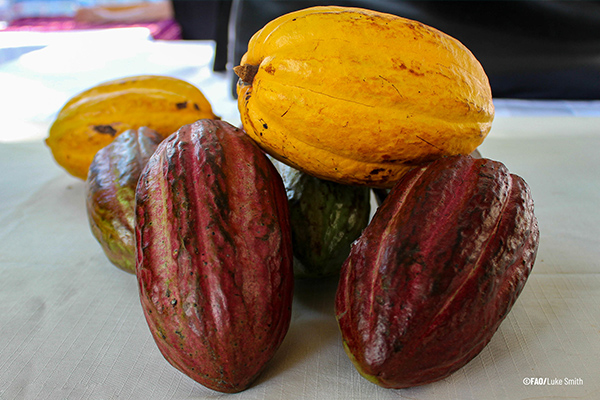
One Country One Priority Product
Global action on green development.
World Food Day
Water is life, water is food. October 16, 2023. Leave no one behind.
.png?sfvrsn=c4be63ee_6)
Gender Equality
Empowering women in food and agriculture.
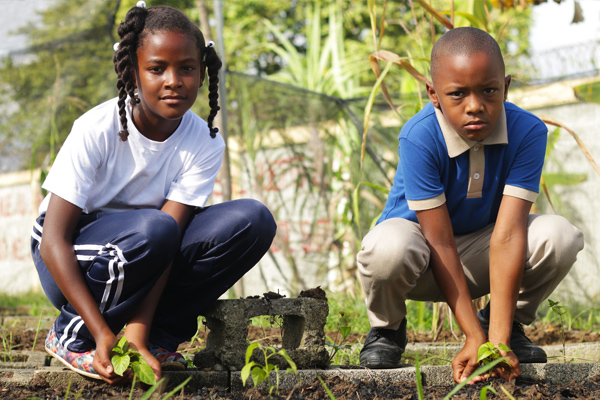
Global School Feeding Platform
Technical resources for experts and practitioners.
Data on food and agriculture
Free access to data from more than 245 countries.
Multimedia
FAO Brief – 7 July 2025
01/07/2025
In this episode of the FAO Brief: FAO scales up emergency seed distribution in Sudan; a new FAO report on the status of youth in agrifood systems; and FAO’s Conference held in Rome.