


Investment accelerates resilient and sustainable agrifood sector in Republic of Moldova
25/01/2024
Agriculture is the main source of income for more than half of the population in the Republic of Moldova. To spur investments into the sector and provide a better life for Moldovan rural people, the Food and Agriculture Organization of the United Nations (FAO) and the Ministry of Agriculture and Food of the Republic of Moldova organized a special event on investment in the republic in the framework of the Global Forum for Food and Agriculture in Berlin, Germany, within the Agrifood Partnership Forum of the Republic of Moldova launched in October 2023.

Kosovan farmers rise above the floods
23/01/2024
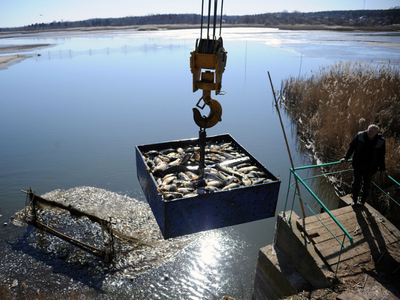
Successful conclusion of FISHCap project offers promise for new ventures
22/01/2024
In Central Asia, sustainable fisheries and aquaculture represent significant untapped potential, yet enhancing institutional capacity for increased production and development remains a persistent challenge.
In response to these challenges, the FISHCap project was launched under the umbrella of the FAO–Türkiye Partnership Programme on Food and Agriculture, and implemented in Azerbaijan, Kazakhstan, Kyrgyzstan, Tajikistan, Türkiye, Turkmenistan and Uzbekistan, to address obstacles to sustainability in the fisheries and aquaculture sector.
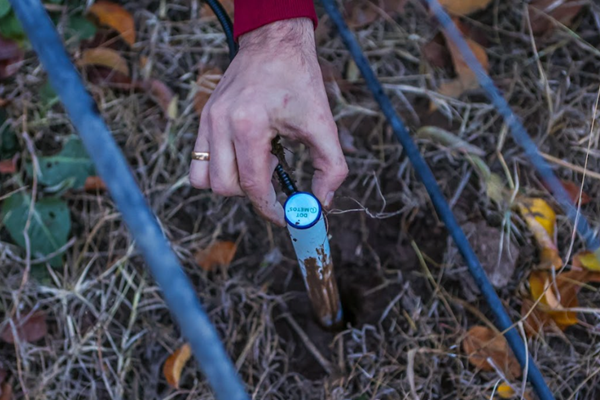
FAO and agritech innovators join hands to create digital demo farm
19/01/2024
The Food and Agriculture Organization of the United Nations (FAO) recognizes that scaling up science, technology and innovation is necessary for a profound transformation of food and agricultural systems. Engagements with the private sector help energize digital ecosystems and catalyse innovations and integration of digital technologies.

Uzbek village becomes digital
10/01/2024

2023 in review: the FAO Virtual Learning Centre—more students, more impact and more to come in 2024
27/12/2023
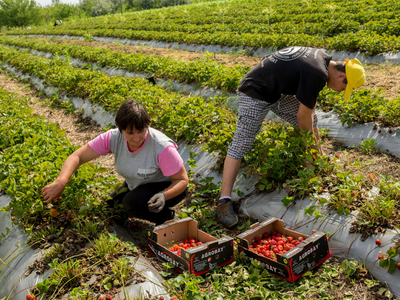
Green technologies enable a better future for Moldovan farmers
21/12/2023
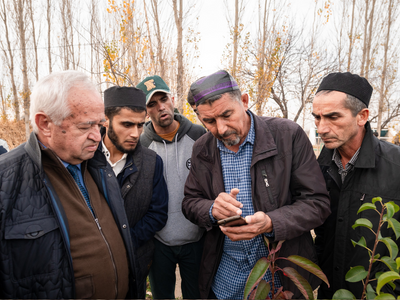
Digital technologies make inroads into rural Uzbekistan and Tajikistan
19/12/2023

Sustainable chestnut production boosts rural development
15/12/2023

Despite multiple challenges, food insecurity is decreasing in Europe and Central Asia
13/12/2023
With less than seven years left until the deadline, Europe and Central Asia are making progress in achieving the Sustainable Development Goal (SDG) 2 of Zero Hunger, including tackling food insecurity and all forms of malnutrition, despite serious challenges experienced in the past few years. ...

Antimicrobial use and resistance in the livestock sector take centre stage in Budapest
12/12/2023
Globally, we are faced with an urgent and unprecedented need to significantly reduce the growing global threat of antimicrobial resistance (AMR) in the livestock sector caused by overuse and misuse of antimicrobials.
To accelerate work to combat AMR in the Western Balkans, the Food and Agriculture Organization of the United Nations (FAO) convened a technical consultation meeting on antimicrobial use and resistance in the Western Balkans, from 6 to 7 December, in a hybrid format.
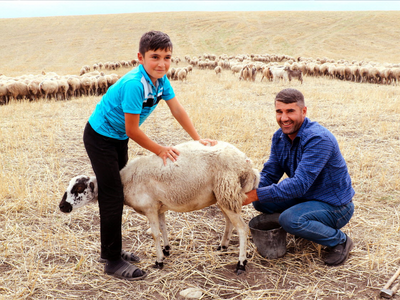
FAO embraces youth issues in rural areas of Europe and Central Asia
08/12/2023

FAO, Montenegro prioritize better natural resource management and inclusive rural development
07/12/2023
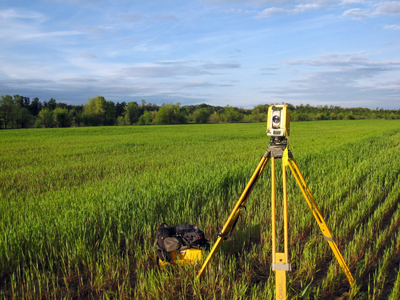
Kazakhstan to host dialogue on responsible land governance to support land restoration
06/12/2023

How Uzbekistan’s farmers are overcoming soil salinity and water shortages
05/12/2023

Dairy farmers in Montenegro take ownership of local development
24/11/2023
-(1).tmb-th600x400.jpg?Culture=en&sfvrsn=74dc8d48_1 "70OV1_7977 (1) (1)")
Caucasus and Central Asia experts discuss measures to sustainably combat locusts
22/11/2023
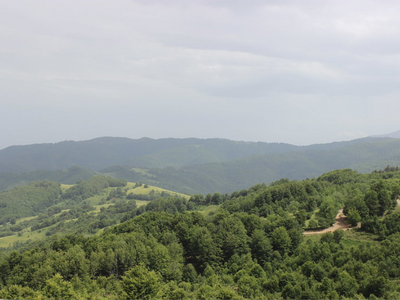
Biodiversity framework tops agenda as experts on Europe’s forests and forest industry meet
21/11/2023

FAO partners with Albania for sustainable and resilient agrifood systems and rural development
16/11/2023
-(2).tmb-th600x400.png?Culture=en&sfvrsn=3b84ef7a_1 "MicrosoftTeams-image (1) (2)")